
Hey everyone, I’ve been thinking about how most blockchains are built, and one thing that always stands out to me is how they lock you into their native token for everything. You want to use the network? Buy the token. Want to pay fees? Spend the token. Want governance? Hold the token. It all circles back to one asset, creating this closed loop that keeps value inside the ecosystem. It works great for early holders, but it creates real friction for new users, businesses running across multiple chains, or institutions that can’t easily fit volatile crypto into their budgets.
That’s exactly why Midnight’s Capacity Marketplace feels like a genuinely different approach to me.
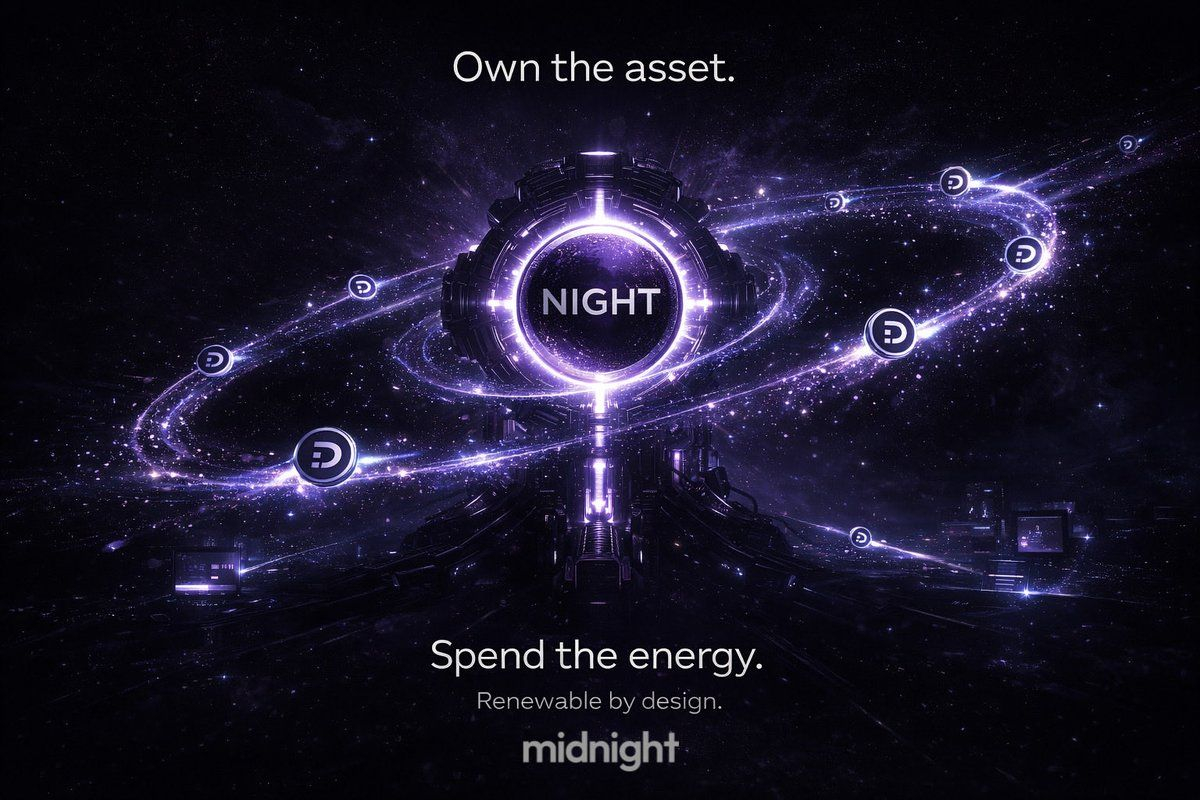
Instead of forcing everyone to hold $NIGHT just to get DUST (the shielded resource that powers every transaction), Midnight adds an abstraction layer so people can access network capacity without directly owning the token. NIGHT holders can lease their DUST generation to others, the lessee gets to transact on @MidnightNetwork without buying NIGHT themselves, and the holder earns from the unused capacity. Everything stays private thanks to the shielded ledger and recursive zk-SNARKs.
It goes further with broker-managed leasing, where specialized brokers match multiple holders and users, bringing in competition and better price discovery without changing the protocol.
The Babel Station concept is the part that really got me excited. You submit a transaction and pay with ETH, BNB, stablecoins, or even fiat. The Babel Station operator covers the DUST cost for you and takes your payment as compensation. From your side, it feels exactly like using any normal app, you don’t need to know what NIGHT is, hold DUST, or understand ZK proofs. It’s Web2 simplicity built on top of Web3 infrastructure.
DApp operators can also sponsor transactions directly, covering the DUST for their users so the whole experience becomes completely seamless, just like how Web2 SaaS absorbs infrastructure costs.
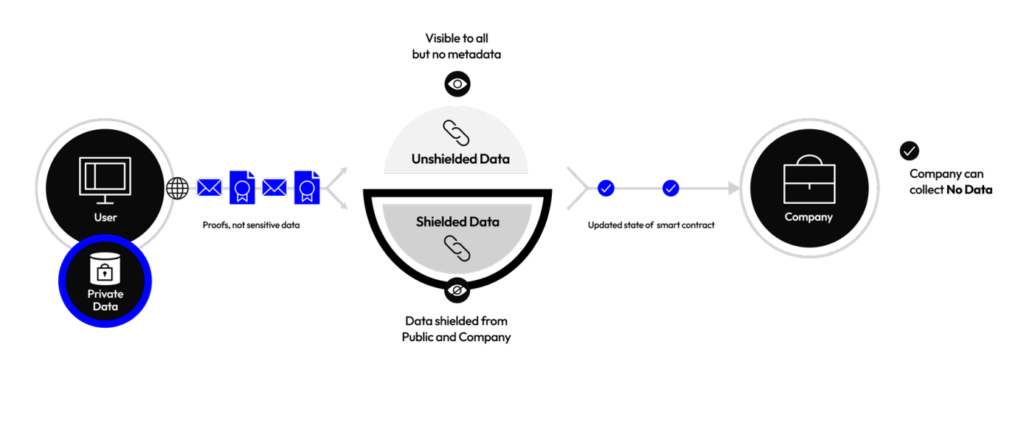
Longer term, they’re planning an on chain capacity exchange where unused DUST can be bought and sold, with some fees flowing back to the Midnight Treasury. That means the network’s funding can actually come from cross chain activity instead of just its own token creating incentives for real interoperability rather than competition.
What I like most is how this whole design prioritizes accessibility over token centric closed loops. It lets other chains’ tokens and even fiat participate in Midnight’s economy, making the network open and useful for way more people and businesses.
Of course, some parts like off chain leasing still involve trust, and the full on chain exchange is still coming, but the direction feels right. In a multi chain world, this kind of cooperative approach could finally make privacy focused blockchain feel approachable instead of restrictive.
I’m really curious to see how this plays out once mainnet is live.
