
Există o versiune a acestei povești care sună ca un hype tipic cripto. Un proiect începe mic, își schimbă brandul de câteva ori și, în cele din urmă, pretinde că "construiește pentru guverne." L-ai mai văzut înainte.
Dar când urmărești efectiv cronologia lui @SignOfficial, ceva se simte diferit.
A început cu o problemă simplă
EthSign a fost lansat ca o idee simplă, aducând semnarea contractelor pe blockchain. DocuSign funcționează bine în Web2, dar în momentul în care te ocupi de portofelele cripto, DAO-uri sau acorduri transfrontaliere între părți pseudonime, ai nevoie de ceva nativ pentru stivă.
Cinci versiuni mai târziu, EthSign a devenit aplicația de semnare a contractelor nr. 1 în Web3. Nu prin hype. Ci prin rezolvarea efectivă a unei probleme cu care se confruntau dezvoltatorii și echipele în fiecare zi. Peste 300.000 de utilizatori. O integrare reală cu SingPass, sistemul național de identitate digitală din Singapore. Acea ultimă parte este ușor de trecut cu vederea, dar contează: un sistem de identitate susținut de guvern a ales să se integreze cu un produs Web3.
Apoi domeniul s-a extins
La un moment dat, echipa a privit clar ce au construit și a pus o întrebare mai dificilă: dacă putem gestiona semnarea contractelor la scară, ce altceva atinge de fapt infrastructura de încredere?
Răspunsul a devenit Protocolul Sign: un strat de atestare omni-chain. Nu stocăm bani. Stocăm adevărul verificabil. Orice date, orice schemă, pe-chain sau off-chain, interogabile și dovedibile de oricine fără a fi nevoie să apelăm la un intermediar.
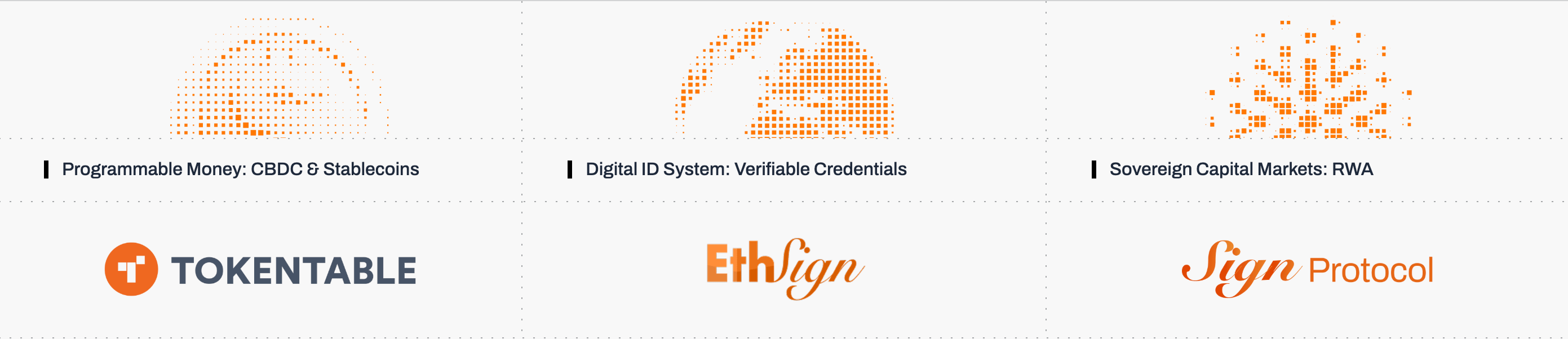
Apoi TokenTable, un motor de distribuție a token-urilor care a procesat peste 4 miliarde de dolari în active pentru 40 de milioane de utilizatori din peste 200 de proiecte, inclusiv Starknet, Movement și Mocaverse.
Trei produse. Trei straturi diferite ale aceleași stive. Toate indicând spre aceeași teză: internetul are nevoie de un strat de încredere, iar acum nimeni nu îl deține curat.
S.I.G.N. Aici devine interesant și complicat
Aceasta este partea în care scepticismul rezonabil este sănătos.
S.I.G.N. — Infrastructură Suverană pentru Guverne și Națiuni este propunerea @SignOfficial către guverne direct. Nu "am putea colabora cu instituțiile într-o bună zi." Un plan structurat pentru desfășurări la scară națională care acoperă identitatea digitală, distribuția de active și păstrarea de înregistrări verificabile.
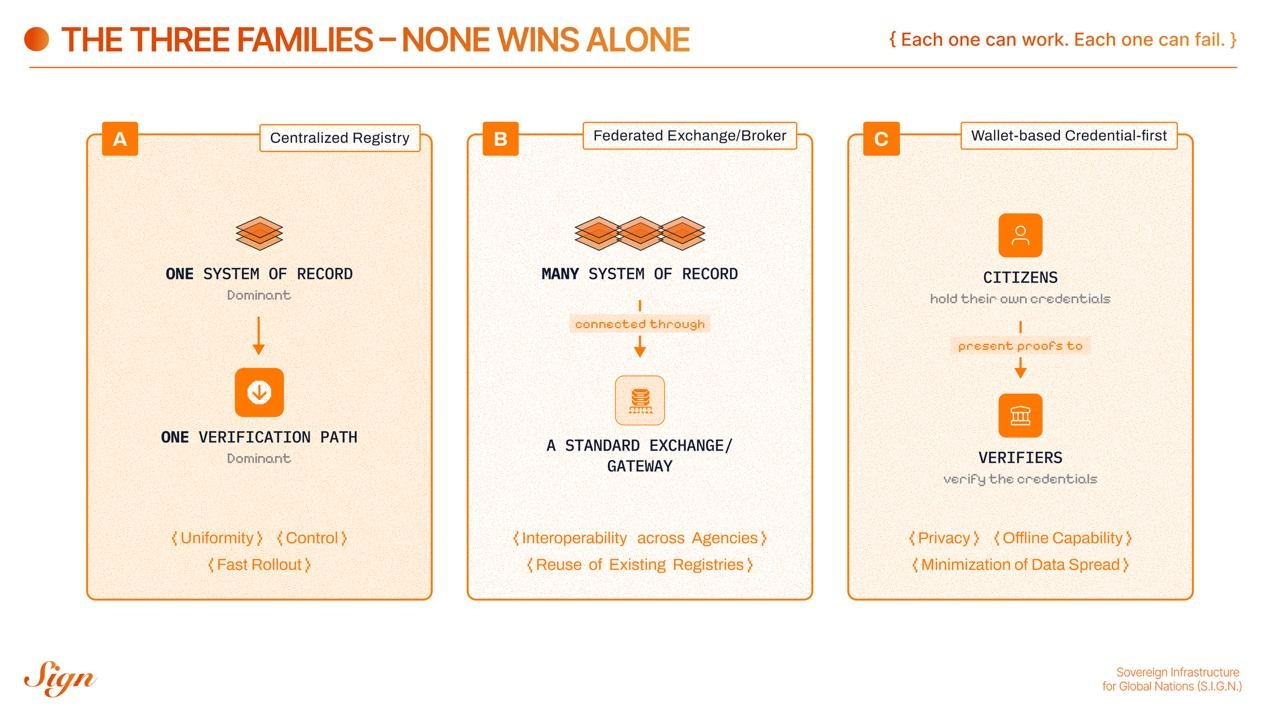
Orientul Mijlociu este focalizarea declarată. Și, sincer, momentul are sens, regiunea investește activ în infrastructura economică digitală, cu multiple guverne angajându-se public în sisteme bazate pe blockchain pentru comerț, identitate și finanțe.
Înseamnă asta că $SIGN va obține aceste contracte? Nu este garantat. Ciclicitățile de vânzări guvernamentale sunt lungi, politice și imprevizibile. Faza dintre "avem un plan" și "un stat-națiune își desfășoară infrastructura noastră" este semnificativă.
Dar iată ce este greu de ignorat: progresia produsului de la EthSign la Protocolul Sign la TokenTable la S.I.G.N. este coerentă. Fiecare strat se bazează pe precedentul. Nu este o pivotare, este o expansiune a aceleași teze de bază.
Ce să urmărești de fapt
Dacă urmezi $SIGN cu o minte clară, întrebarea nu este dacă viziunea este ambițioasă. Este evident că este.
Întrebarea este dacă execuția se potrivește cu foaia de parcurs. În special, se va muta S.I.G.N. de la plan la pilot? Se va produce un parteneriat guvernamental verificabil în Orientul Mijlociu în 2026?
EthSign și-a câștigat credibilitatea prin utilizare reală. Protocolul Sign și TokenTable au numerele care susțin afirmațiile lor. Capitolul următor trebuie să fie dovedit în același mod.
Acesta este cititul onest despre unde @SignOfficial se află acum. Viziune mare, fundație reală, un punct de dovadă major încă înainte.
$SIGN #SignDigitalSovereignInfra