
Most people still see blockchain as a system for moving assets. Tokens go from one wallet to another, transactions get confirmed, and value flows across networks but what if the next evolution isnt about movement at all but about verification?
while exploring sign protocol what stood out wasnt speed or scalability it was a shift in perspective. Instead of focusing on transactions it introduces attestations: verifiable claims that can represent identity, credentials or any piece of meaningful data. These claims arent just stored they are cryptographically proven making them reliable without needing a central authority.
this creates a different kind of infrastructure. Instead of asking who sent this? systems can ask mcan this be proven? Its a subtle change but it opens the door to entirely new applications from decentralized identity to onchain reputation systems.
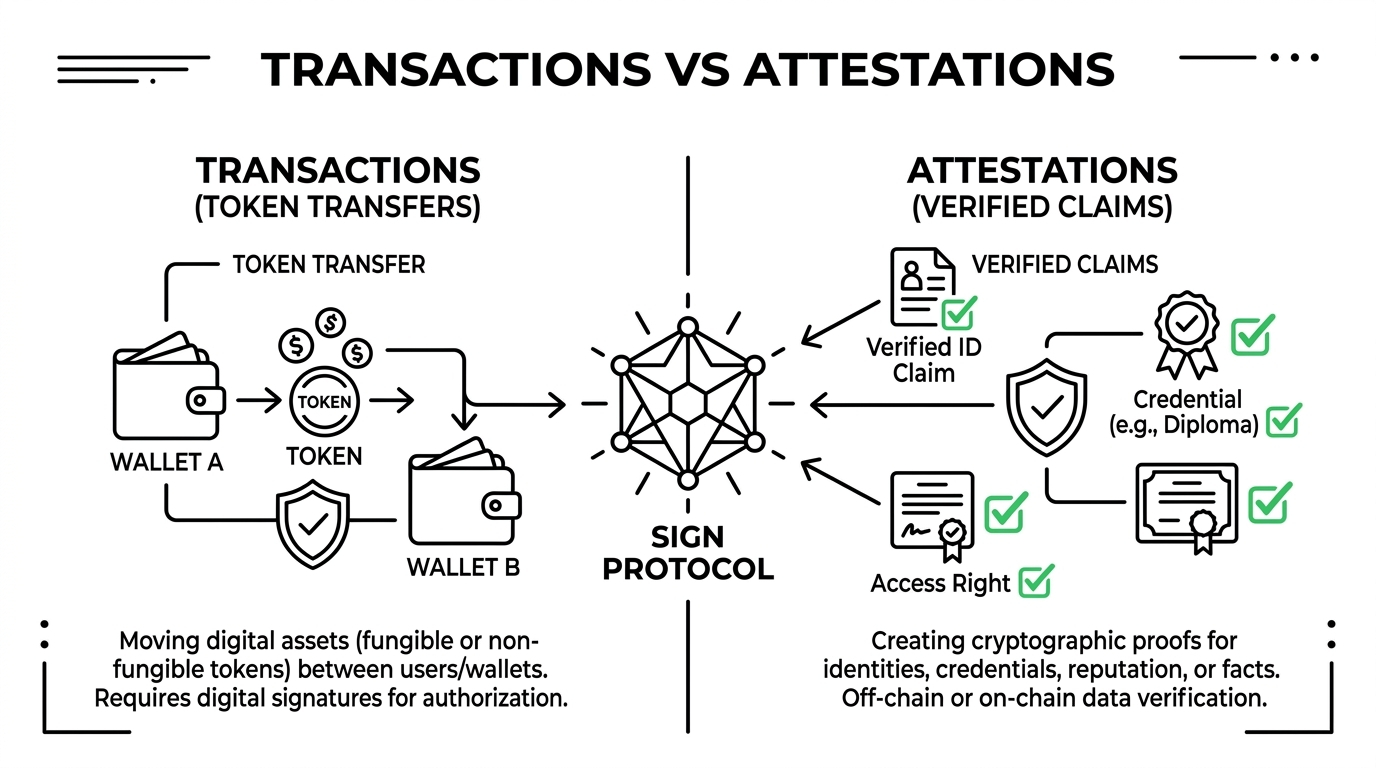
what makes this approach powerful is how it redefines trust. Traditionally verification depends on centralized entities institutions that confirm whether something is valid. But with sign protocol trust becomes programmable. Attestations can be created verified and reused across applications without relying on a single authority. 🌐
at the same time this system doesnt require everything to be publicly exposed. It allows flexibility in how information is shared focusing on proof rather than raw visibility. This balance between transparency and control makes it practical for real world use cases where privacy still matters.
for developers this unlocks a new design space. Applications can integrate verification directly into their core logic enabling features like trustless onboarding, reputation scoring and credential validation for users it means having ownership over their digital proofs carrying them across platforms without losing credibility.
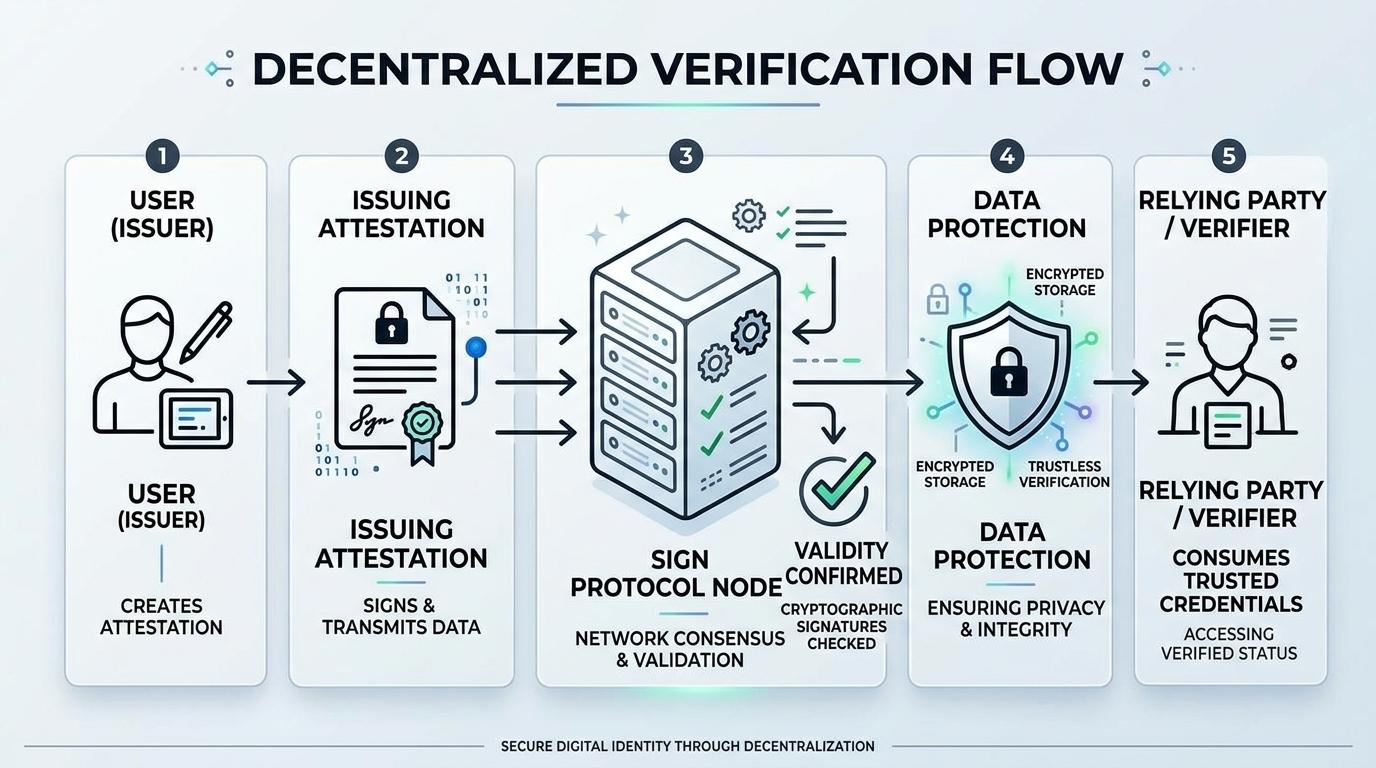
As web3 evolves the focus may gradually shift from what is visible to what is verifiable. Systems that can prove authenticity without relying on centralized control could become foundational layers for the internet of the future.
$SIGN protocol doesnt try to dominate attention it quietly builds a framework that could support everything from identity to governance and sometimes the most impactful innovations are the ones that redefine how systems work beneath the surface.
so the question is: as blockchain matures will users care more about owning assets or proving who they are and what they’ve done?