
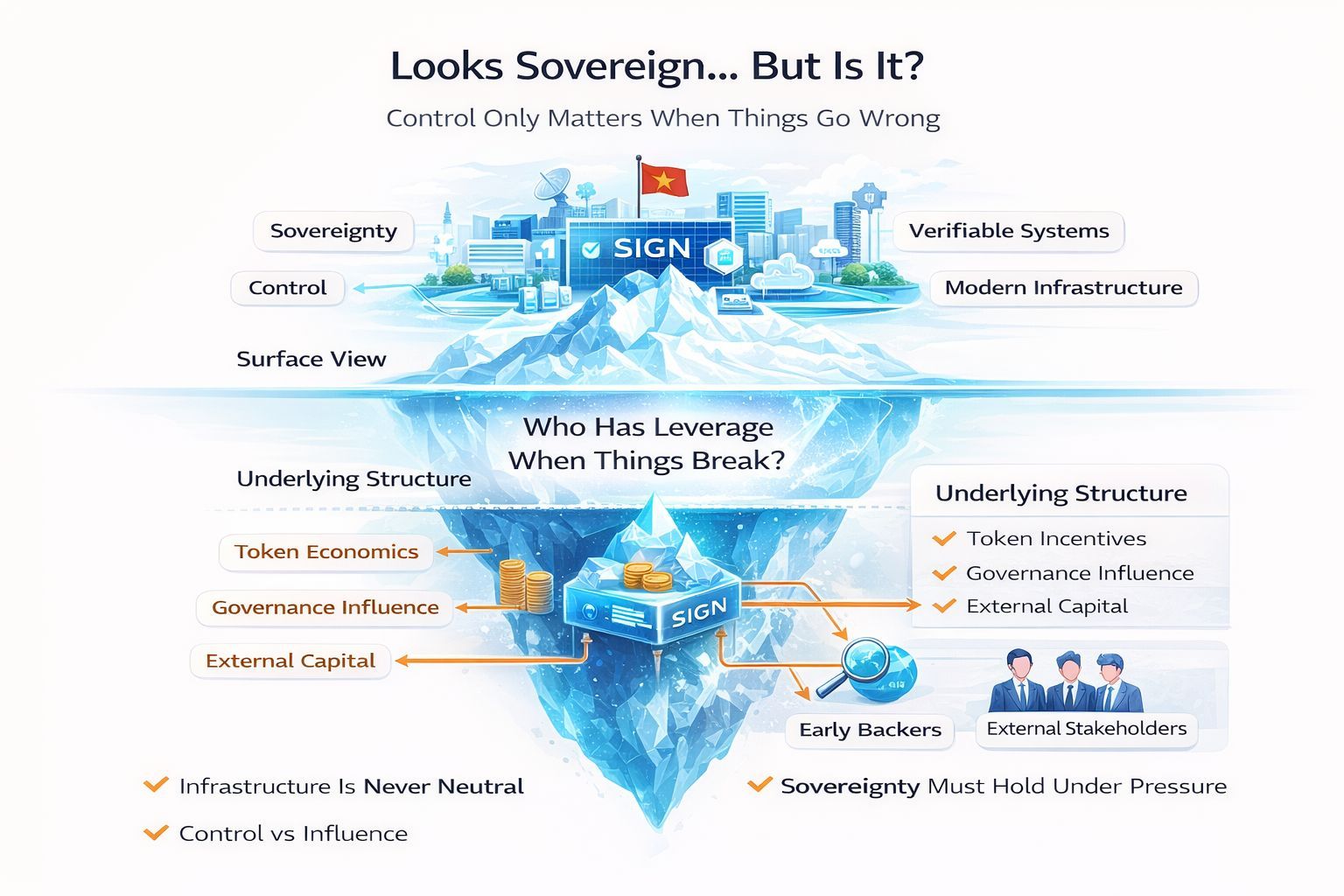
I remember the first 2 a.m. alert like it was yesterday. The kind that wakes you up not with panic, but with a cold, precise recognition of responsibility. The risk committee had already convened virtually in three time zones, reviewing logs, debating wallet approvals, and questioning every permission edge case. In that moment, it hit me: speed, measured in TPS or microseconds, is seductive—but it is not safety.
Sing protocol was never built to chase raw throughput benchmarks. I’ve spent years watching layer-1s race to the bottom, touting millions of transactions per second while ignoring the very vulnerabilities that will eventually sink them. Sing is different. At its core, it’s an SVM-based high-performance L1 with guardrails. Those guardrails—Fabric Sessions—enforce time-bound, scope-bound delegation. I’ve seen firsthand how scoped delegation + fewer signatures is the next wave of on-chain UX. Not because it’s faster, but because it reduces human error, key exposure, and the kind of recursive permissions nightmares that keep compliance teams awake at night.
Modular execution runs above a conservative settlement layer. We separate speculation from finality, computation from responsibility. EVM compatibility exists here, but only as tooling friction reduction—so teams can port workflows without tearing up their internal audits. Everything else is about creating a lattice of enforced trust: wallets, accounts, sessions, tokens, and approvals all exist within controlled envelopes. The native token is security fuel; staking is responsibility. That’s the philosophy we repeat in every onboarding, every audit, every post-mortem.
I’ve debated, at length, whether to optimize for TPS in committee meetings or focus on the real risk vectors. The debates are never abstract. They are ledger-deep, concrete, and often exhausting: which signature flows are necessary? Which delegation scopes must expire before any human mistake cascades into an irreversible chain event? Which alerts at 2 a.m. are noise, and which signal the subtle drift of protocol assumptions?
The truth is, most L1 failures aren’t about slow blocks—they’re about permissions misapplied, keys exposed, and trust assumed where it shouldn’t be. Sing protocol accepts slower, measured operations if it means we never have to fire off a midnight rollback. Performance is still high. The SVM handles computational load with grace. But it’s performance within boundaries, not at the expense of safety.
And in that quiet calculus, I begin to see the philosophy: speed without guardrails is vanity. Compliance is not a hurdle; it’s a lens. It forces you to define what truly matters. Every Fabric Session, every time-bound delegation, every signature we skip intentionally—it’s a quiet act of restraint in a world obsessed with speed.
By the time the sun rises, the alerts are acknowledged, wallets are cleared, audits are documented. The protocol hums along. I sip my coffee, knowing the chain didn’t break last night not because it was fast, but because it was thoughtfully constrained. Sing isn’t just a protocol. It’s a reflection: in blockchains, as in life, measured trust outpaces raw speed.
@SignOfficial #SignDigitalSovereignInfra $SIGN
