
In the evolving landscape of infrastructure and real-world asset development in 2026, financial integrity has become a defining factor in project success. As initiatives transition from conceptual design into procurement and active construction, the complexity of financial operations increases significantly. Multiple stakeholders developers, contractors, subcontractors, auditors, and regulators must coordinate within a system that demands precision, accountability, and real time visibility. Within this environment, the @SignOfficial protocol emerges as a transformative mechanism, redefining how financial trust is established and maintained.
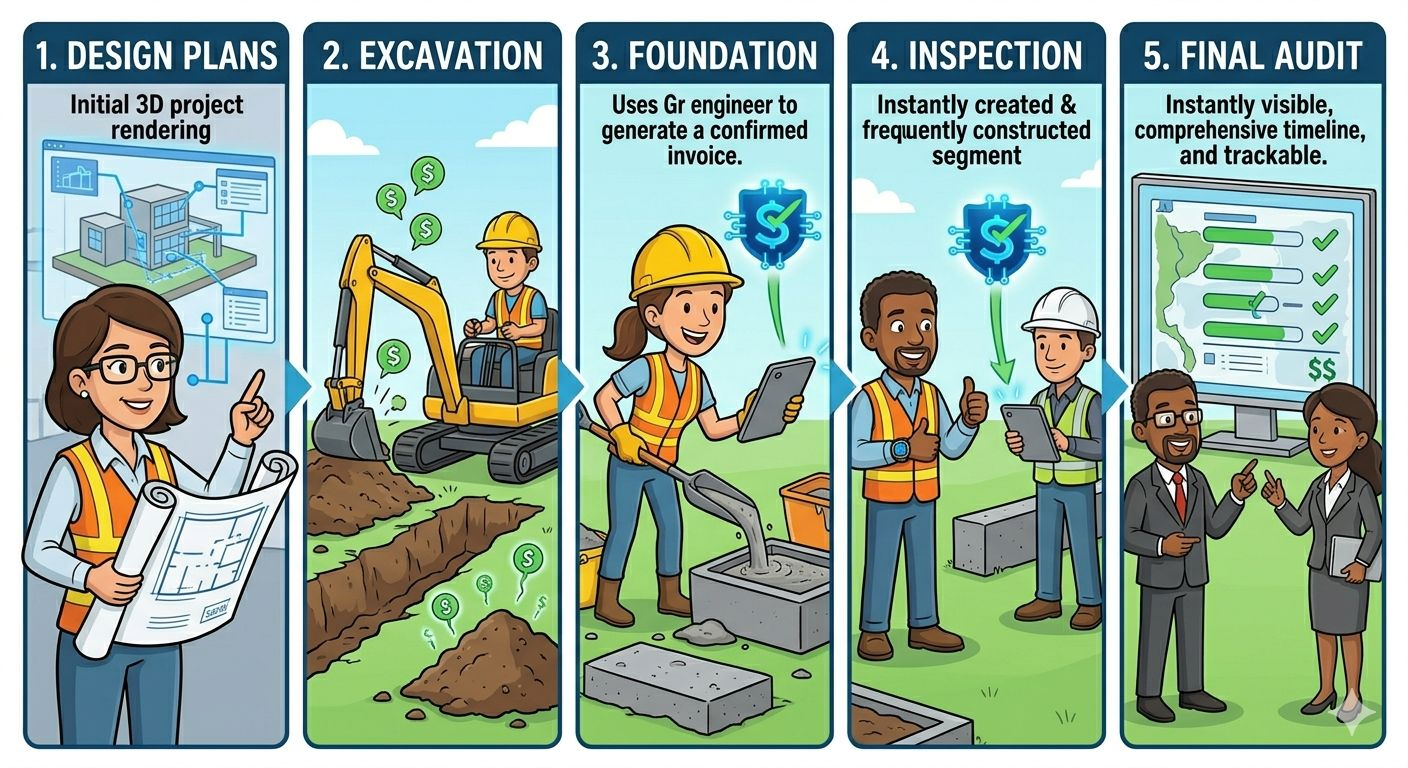
At the core of this transformation lies the concept of Value Based Approvals, a paradigm shift from traditional invoice validation methods. Historically, payment approvals have relied heavily on manual verification, fragmented documentation, and delayed reporting cycles. These inefficiencies not only slow down project timelines but also introduce risks such as overbilling, fraud, and cash flow misalignment. The #sign protocol addresses these challenges by embedding verification directly into the financial workflow.
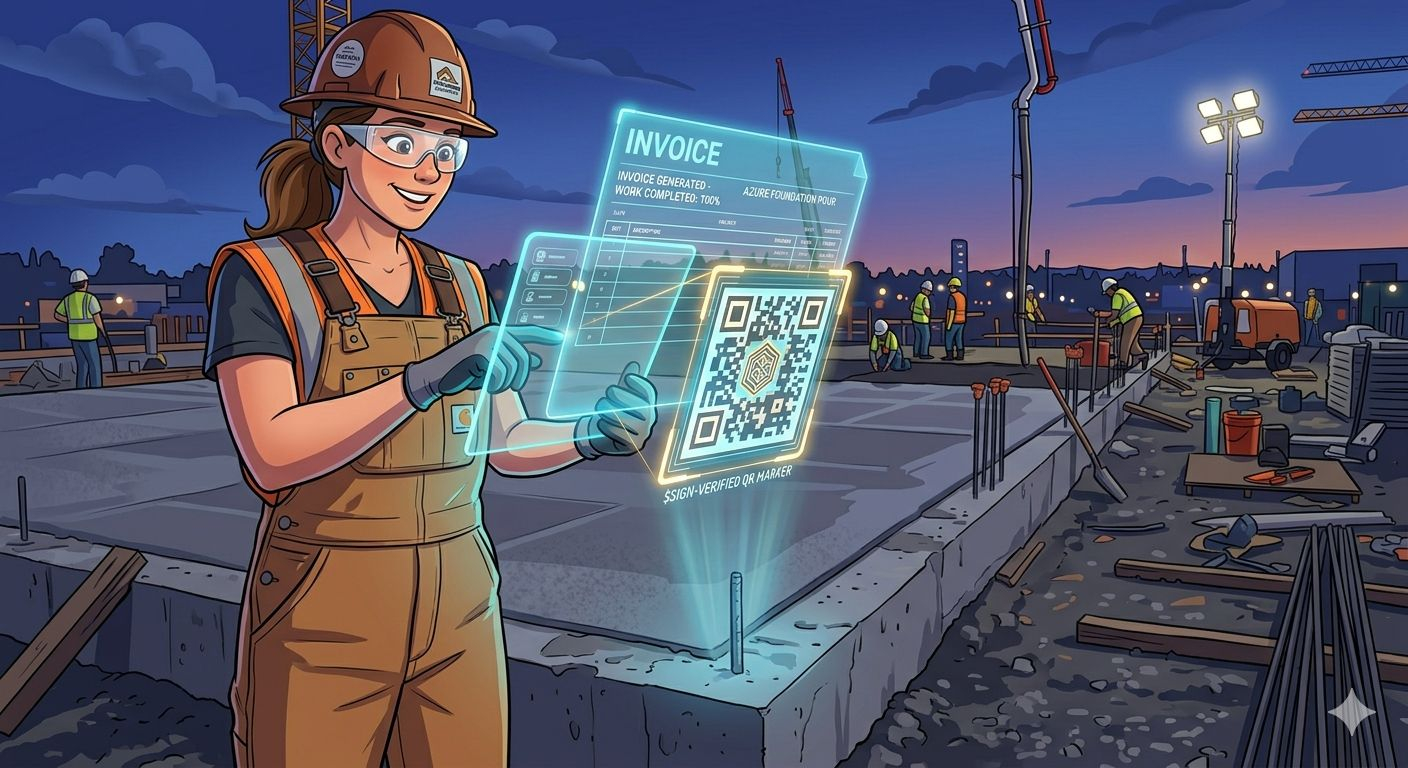
KoWhen a subcontractor completes a defined milestone such as foundation pouring, structural framing, or electrical installation they submit a digital invoice tagged with a $SIGN verified marker. This is not merely a symbolic label; it represents a cryptographically verifiable proof that the physical work has been completed, inspected, and approved according to predefined standards. The tagging mechanism acts as a trigger within automated accounting systems, instantly notifying treasury departments and project owners that a payment condition has been satisfied.

This integration of physical progress with financial execution introduces a new level of synchronization between on-site activities and financial systems. By ensuring that payments are directly tied to verified deliverables, developers significantly reduce the risk of premature or inflated disbursements. The result is a more stable and predictable cash flow structure one that mirrors the actual progress of the project rather than relying on assumptions or delayed confirmations.
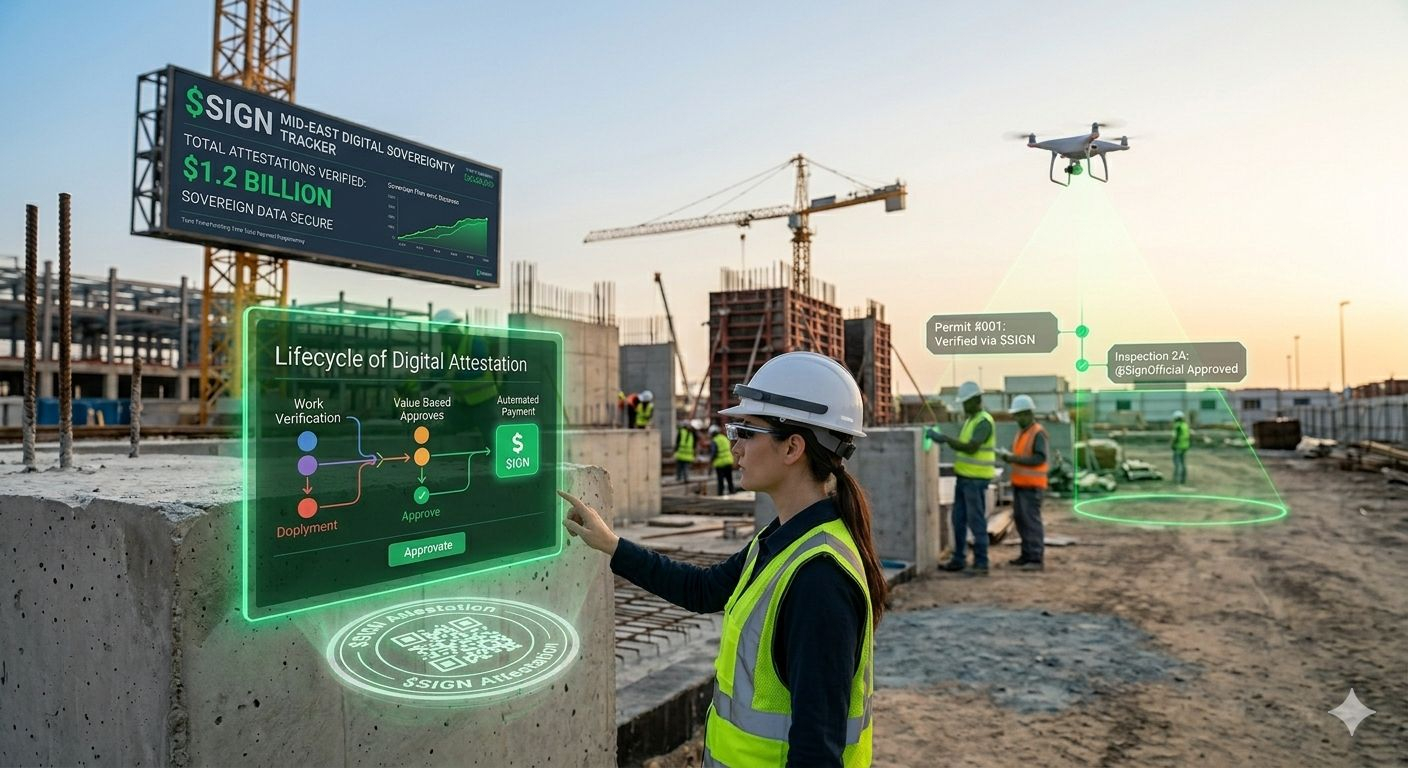
Moreover, the use of #sign enhances transparency across all layers of the project ecosystem. Every transaction, approval, and verification step is recorded as part of an immutable audit trail. This creates a single source of truth that can be accessed by stakeholders in real time, eliminating disputes and fostering trust. For large-scale developments involving public funding or institutional investment, this level of transparency is not just beneficial it is essential for compliance and governance.
Another critical advantage of the $SIGN protocol is its ability to streamline auditing and reporting processes. Traditional audits often require extensive reconciliation of documents, site reports, and financial records. With $SIGN enabled workflows, auditors can rely on pre-verified data points that are inherently trustworthy. This reduces the time and cost associated with audits while increasing their accuracy and reliability.
In addition to operational efficiency, the protocol also supports better risk management. By enforcing strict alignment between verified work and financial release, it minimizes exposure to contractor default, project delays, and budget overruns. Financial institutions and investors, who often hesitate to fund projects due to opacity, gain greater confidence in systems that demonstrate such rigorous controls.
Looking ahead, the adoption of sign within construction and development lifecycles signals a broader shift toward programmable finance. It represents a move away from reactive financial management toward proactive, rule-based execution. In this model, trust is no longer dependent on intermediaries or manual oversight; it is embedded within the system itself.
In conclusion, the $SIGN protocol is more than a technical tool it is a foundational layer for financial integrity in modern project development. By linking verified physical progress to automated financial approvals, it ensures that every dollar spent reflects real, validated value. As the industry continues to evolve, such systems will become indispensable in delivering projects that are not only structurally sound but also financially transparent and resilient.