
Yesterday I was at the local bank branch trying to wire money abroad for a family thing, and the usual ID hassle kicked in – forms, scans, waiting around while they double-check everything. Then I remembered the Sign app on my phone. I opened it, the teller scanned my QR code, I tapped to consent sharing just my verified residency claim, and within seconds their system confirmed the issuer signature with zero extra data leaked. No PDFs emailed, no full passport exposed, just tamper-proof proof that I am who I say I am. It felt almost too smooth, like the future snuck up on me during a regular Tuesday errand.
That moment made me appreciate what @SignOfficial is actually building with their Digital Sovereign Infra. As someone who staked every $SIGN I could grab during the OBI incentive drop when they transferred nine million tokens to early participants, I’ve been watching closely how verifiable credentials are turning into the quiet engine for real-world adoption. Governments in Kyrgyzstan, the UAE, and Pakistan aren’t just testing it – they’re deploying it as a reliable backup layer that lets agencies verify claims across borders without creating new data silos. The track record speaks volumes: in 2024 alone, Sign processed over 6 million attestations and distributed more than $4 billion in tokens to upwards of 40 million wallets using cryptographic attestations that stay audit-ready yet private.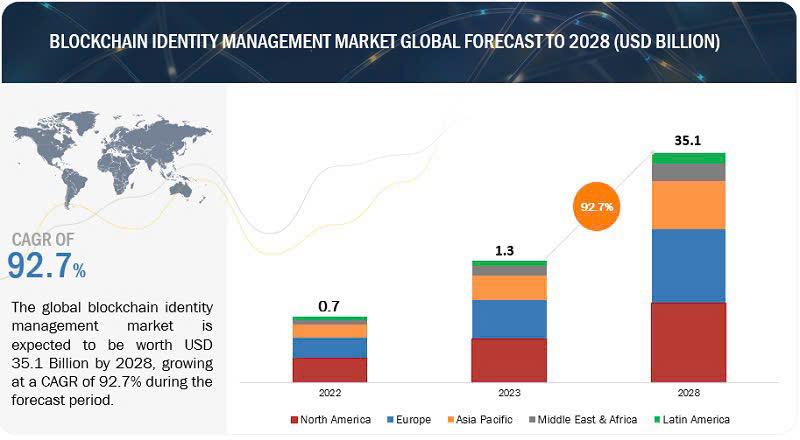
What hits different for me is realizing how this privacy-first identity is the exact foundation for programmable money. Verifiable data isn’t some abstract concept; it literally drives the money flow. With Sign’s Hyperledger Fabric integration, every CBDC or stablecoin transfer has compliance checks embedded right at the protocol level, so AML happens automatically while users still control what gets disclosed through that simple QR flow. I ran a small test transfer on their testnet last week and the speed combined with selective disclosure left me convinced – institutions get the trust layer they need without forcing users to hand over everything.
Holding my $SIGN allocation feels personal now because it’s tied to infrastructure that nations are actually choosing, not just another hype token. The recent buyback where the foundation scooped up 117 million $SIGN tokens worth $8 million on the open market (part of a total $12 million program) shows the team walks the talk on long-term commitment too. This isn’t replacing existing systems; it’s the sovereign layer that finally makes digital identity and digital money work together without the usual privacy nightmares.
If you’ve ever been stuck in one of those slow verification loops in daily life, what’s the one credential you wish could be shared this selectively and instantly with $SIGN powering it?