
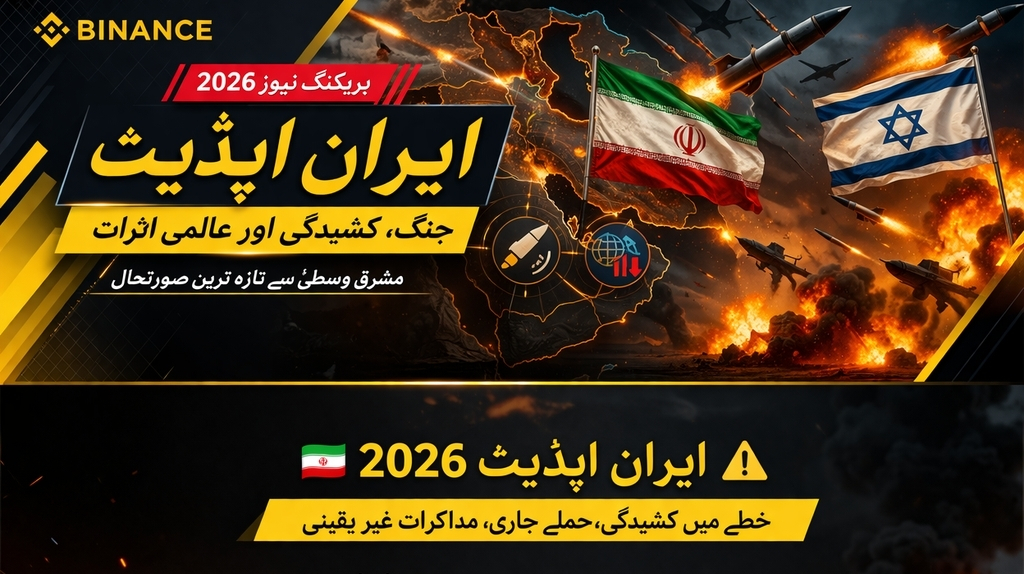
🇮🇷 Iran Update 2026: Rising Tensions, War Risks & Global Impact
📌 Overview
The situation in Iran (March 2026) has entered a critical phase, with escalating military conflict, rising geopolitical tensions, and uncertain diplomatic outcomes. The crisis now involves multiple global and regional powers, making it one of the most serious Middle East confrontations in recent years.
⚔️ Military Escalation
The conflict intensified after joint U.S. and Israeli strikes targeted Iran’s military and nuclear infrastructure earlier this year. In response, Iran launched missile and drone attacks across the region, including strikes on Israel and U.S. bases in Gulf countries.
Recent developments show:
Missile strikes reaching major cities like Tel Aviv
Retaliatory attacks expanding beyond Iran and Israel
Continued airstrikes on Iranian infrastructure
Increasing civilian casualties and destruction
The conflict is no longer localized—it is gradually turning into a regional crisis.
🧠 Leadership & Political Changes
A major turning point came with the reported death of Iran’s long-time Supreme Leader, creating a power vacuum and uncertainty in leadership.
The Islamic Revolutionary Guard Corps (IRGC) now plays a stronger role
Decision-making is becoming more military-driven
Public sentiment is focused on resistance and national security
This shift makes diplomatic compromise more difficult.
🌍 Diplomatic Efforts & Deadlock
Despite ongoing fighting, global powers are trying to push for peace:
Mediation efforts by Pakistan, Turkey, and Egypt
Possible talks proposed in Islamabad
The U.S. claims progress—but Iran denies direct negotiations
Iran’s conditions for talks include:
End of military operations
Security guarantees
Compensation for damages
No limits on its missile program
These demands make negotiations extremely complex.
⚡ Economic & Global Impact
The conflict is affecting the global economy, especially energy markets:
Disruption near the Strait of Hormuz (key oil route)
Rising oil prices and supply uncertainty
Impact on global trade and energy security
Countries like India and others are already adjusting their oil strategies.
🌐 Humanitarian Situation
Inside Iran, the crisis is creating severe challenges:
Thousands of casualties reported
Internet blackouts limiting communication
Displacement and infrastructure damage
Increased pressure on civilians
Connectivity in Iran has dropped drastically during the conflict.
🔮 What Happens Next? (Analysis)
Experts believe the situation could go in three directions:
Full-scale regional war – if escalation continues
Cold conflict phase – ongoing attacks without formal war
Negotiated settlement – unlikely in the short term
Currently, the risk of further escalation remains high due to strong military responses and lack of trust between parties.
🖼️ Visual Insight
A visual representation of the ongoing conflict:
✍️ Conclusion
The Iran crisis in 2026 is not just a regional issue—it’s a global flashpoint. With military escalation, leadership shifts, and stalled diplomacy, the situation remains highly unstable.
The coming weeks will be crucial in determining whether the world moves toward peace—or a wider conflict.