
$SIGN #SignDigitalSovereignInfra

I've been watching at how @SignOfficial actually works, not the landing page gloss, it started to click in a weird way.
The system doesn't sell features. It sells constraints that survive launch day.
Data first. Everything starts locked at genesis. Fixed total supply. Exact percentages carved into pockets community reward at 30 percent, team at 10, ecosystem at 28. Each pocket gets its own wallet control: smart contract for airdrops, multi sig for team and liquidity, custody for foundation. No vague promises. Just immutable assignment.
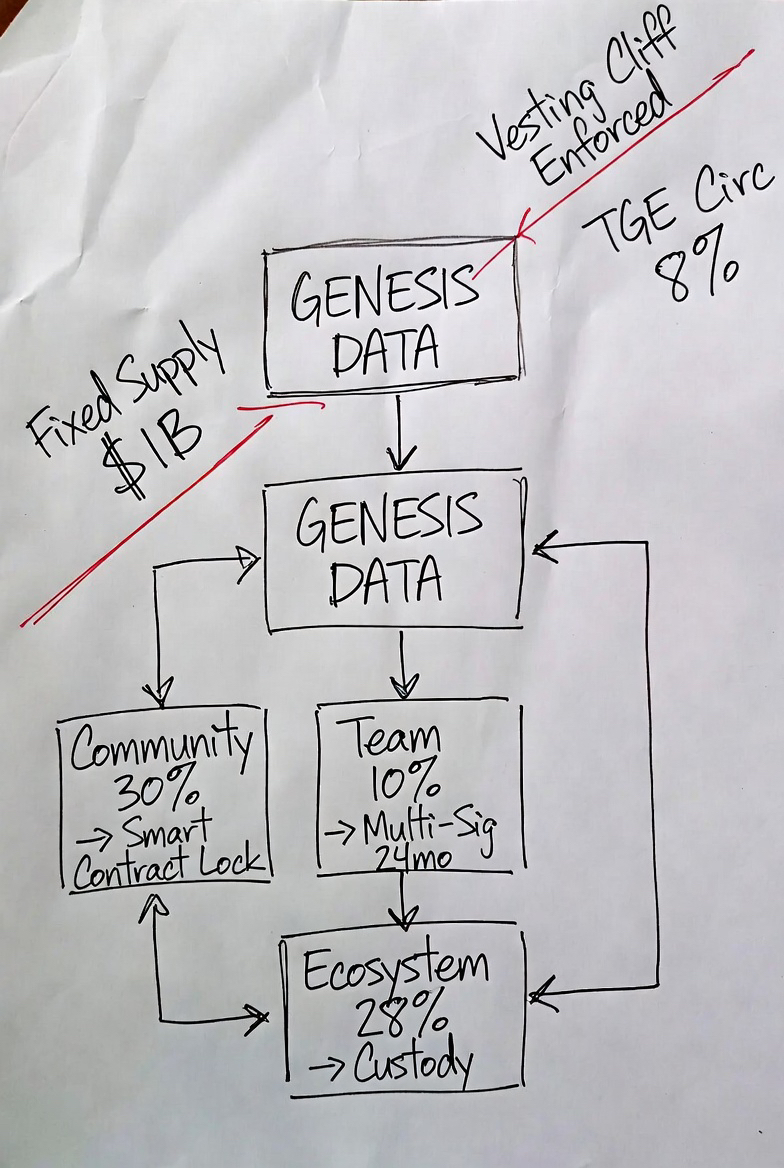
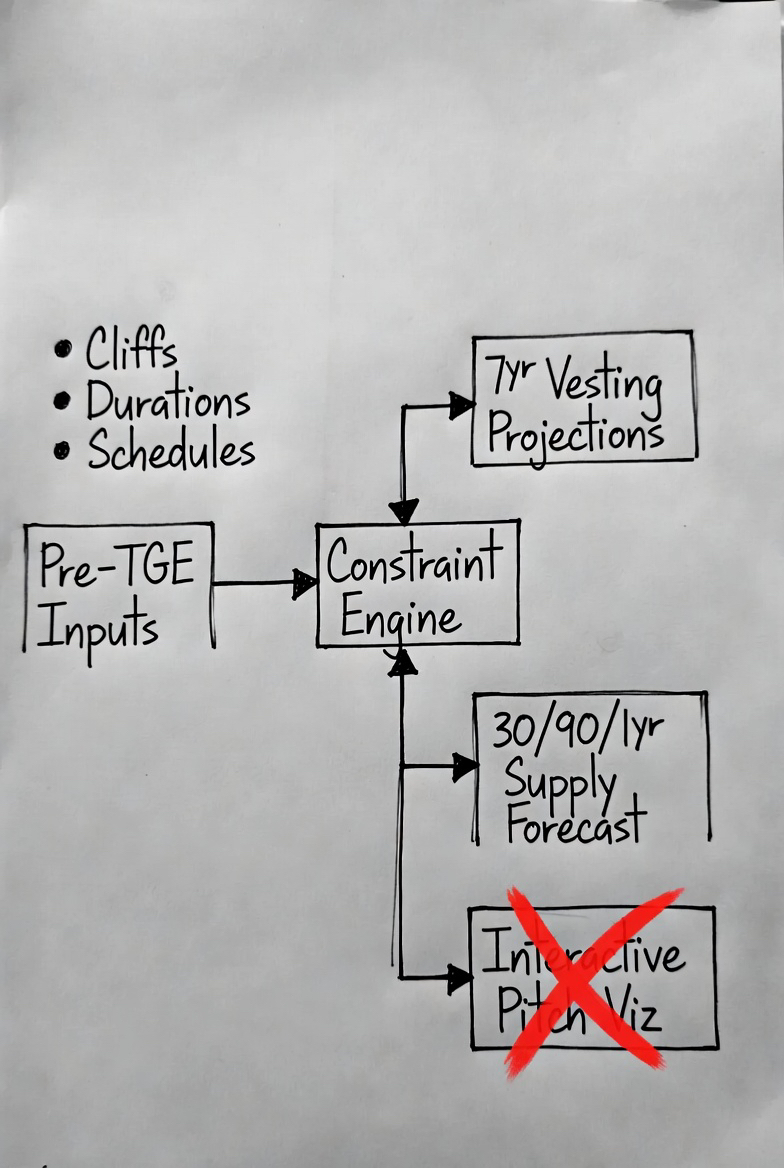
But the friction lives in execution. Most projects die at the unlock table because no one modeled what circulating supply actually looks like at day 30, day 90, or year one. TokenTable forces the spreadsheet before TGE. You feed it cliffs, durations, release schedules. It spits back seven years of month-by-month vesting projections. Circulating supply forecast baked in. No surprises.
The real architecture is the constraint layer. Vesting isn't optional decoration. It's code-enforced: 3-month lock for community rewards, 24 months for investors and team. Every unlock route is deterministic. Smart contract or Merkle or signature-based claim — you pick the gas profile, but the rules don't bend.
Proof sits on multiple audits OtterSec, Nethermind, TonTech, Codespect. Not one firm rubber stamping. Layered verification that the distribution engine can't be gamed post deployment. On chain unlock contracts, Merkle roots, signed claims each path verified before any token moves.
Because after everything works, the market finally sees the supply curve it was always supposed to see. No mystery wallets dumping. No sudden cliffs nobody modeled. Founders pitch with interactive visualizations that update live. Investors read the same numbers the code enforces. Retail gets the same transparency that used to live only in pitch decks.
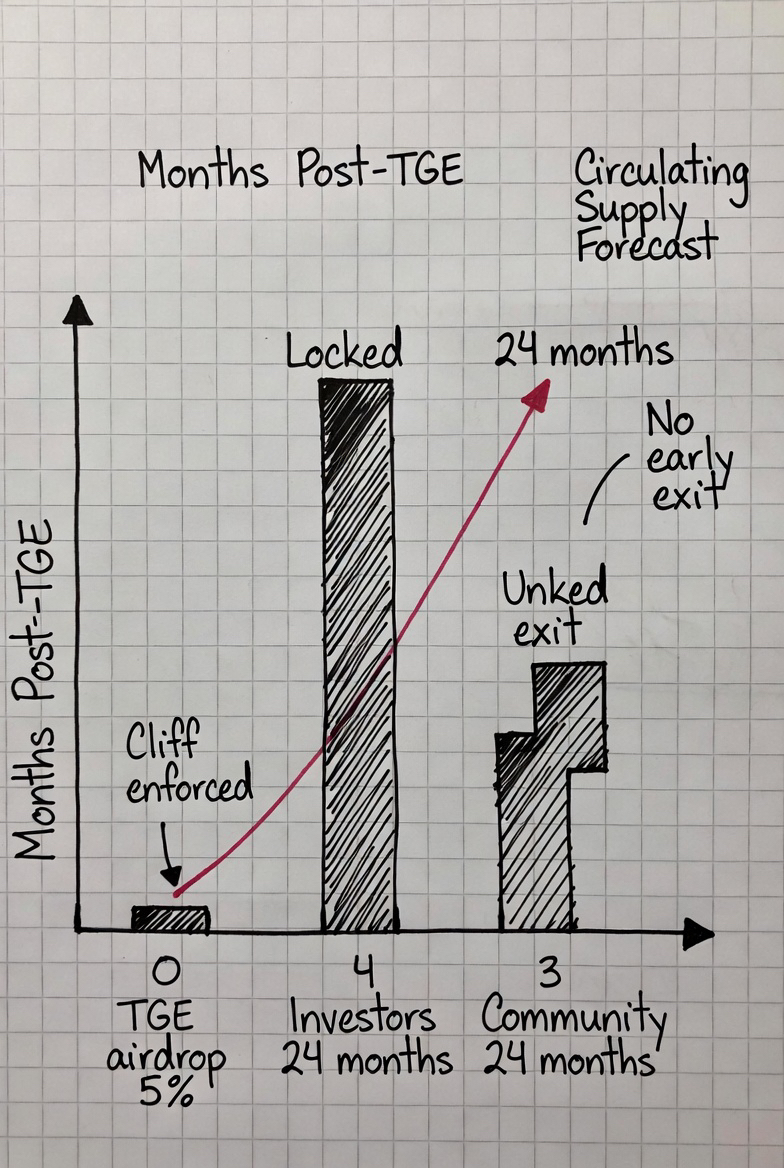
The workflow is brutally linear. Pre TGE planning sheet becomes the single source of truth. Configure once. Generate projections. Copy to compliance docs. Exchange ready by design. The standardization is the product.
Real usage isn't theoretical. Projects plug in, lock allocations, ship TGE with 8 percent circulating exactly as modeled. Post-launch, the engine keeps running scheduled unlocks, eligibility checks, batch distributions at scale. Governments are already testing the same rails for benefits and subsidies. The crypto side just proved the mechanics first.
Structural insight: Sign didn't build another dashboard. It built the constraint engine that makes self-regulation possible. Data locked, execution programmable, proof multi layered, cost shifted from opacity to discipline.
The implication is quieter than it sounds.
Once the market trusts the rails, token distribution stops being the biggest rug vector. It becomes boring infrastructure. And boring is exactly what sustainable capital markets need.
That's the architecture that actually outlives the hype cycle.