
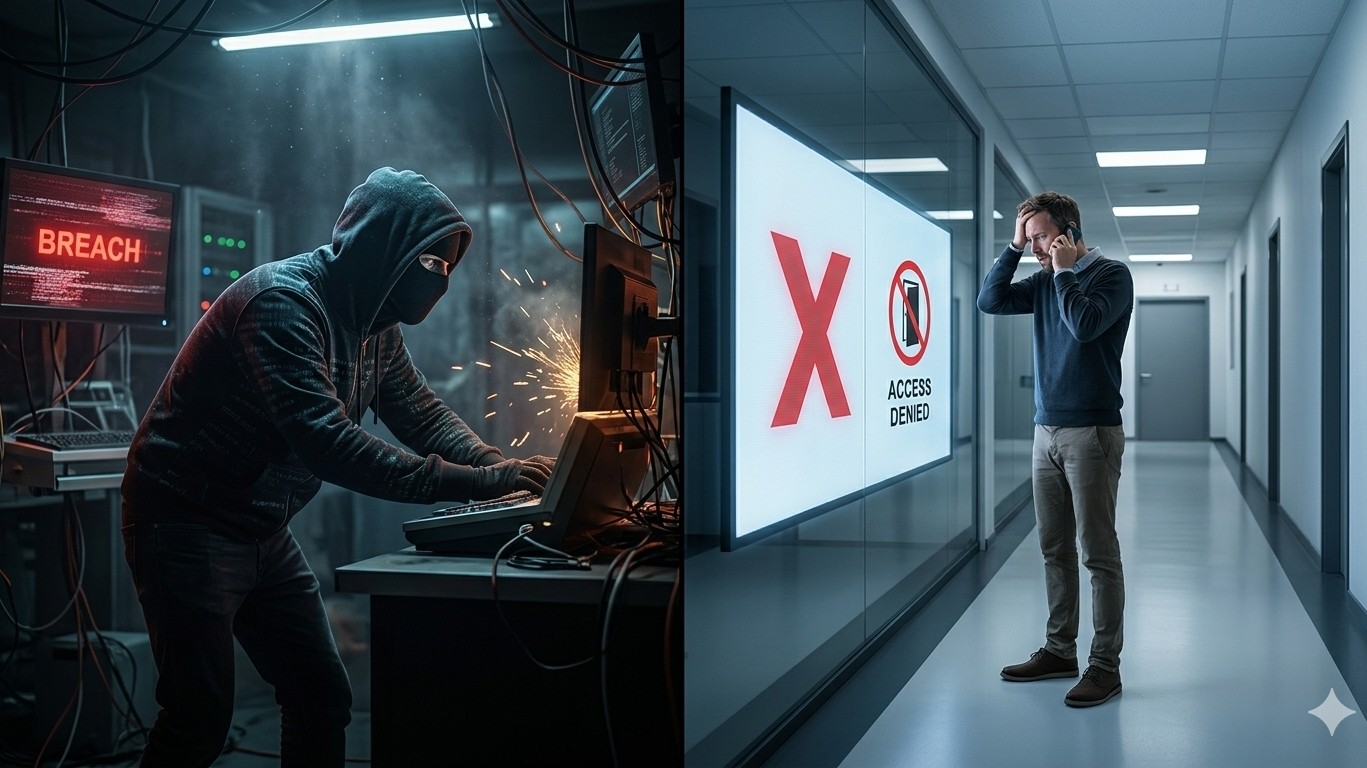
Everyone worries about hacks.
I get it. A hack is dramatic. It has a date. It has a story. Someone broke in and took something.
But that's not how most people actually lose access.
They lose it quietly. Through an error nobody can explain. A record that doesn't match. A flag in a system they can't see. A process that worked last month and doesn't work today.
I've been there. Not once. More than once.
And here's what nobody tells you a hack has a response. Banks have fraud departments. There are protocols. Someone is supposed to fix it.
An error in a verification system has nothing. No department. No appeal. No timeline. Just our records show something different and a phone number that puts you on hold.
I spent more time fighting a verification error than I ever spent recovering from anything a hacker did.
That's the part that changed how I think about identity systems.
$SIGN kept coming up when I started looking at this differently. Something about how it works felt less fragile. Not tied to one place. Not something that changes without you knowing.
I saw the numbers. Millions of attestations already made. Governments running credential systems on this. Names I didn't expect to see involved this early.
I still don't know how deep it goes. I still watch the unlocks. The risks are real.
But a hack is visible. An error is invisible until it matters.
And the invisible ones are the ones that actually stop you from living your life.
Which one do you think is more likely to affect you a hack or a quiet system error you won't even know about until you need something?
@SignOfficial $SIGN #SignDigitalSovereignInfra
