

I wasn’t looking for anything deep today. Just opened the charts, watched the usual movement, the same rotations, the same noise pretending to be signal. But somewhere in between all of that, I kept thinking about something we’ve quietly normalized in this space.
We keep starting from zero.
Every new wallet interaction, every protocol, every airdrop, every gated access point — it all resets. No memory of who you are, no understanding of what you’ve done, no continuity of behavior. Just a blank slate pretending to be decentralization.
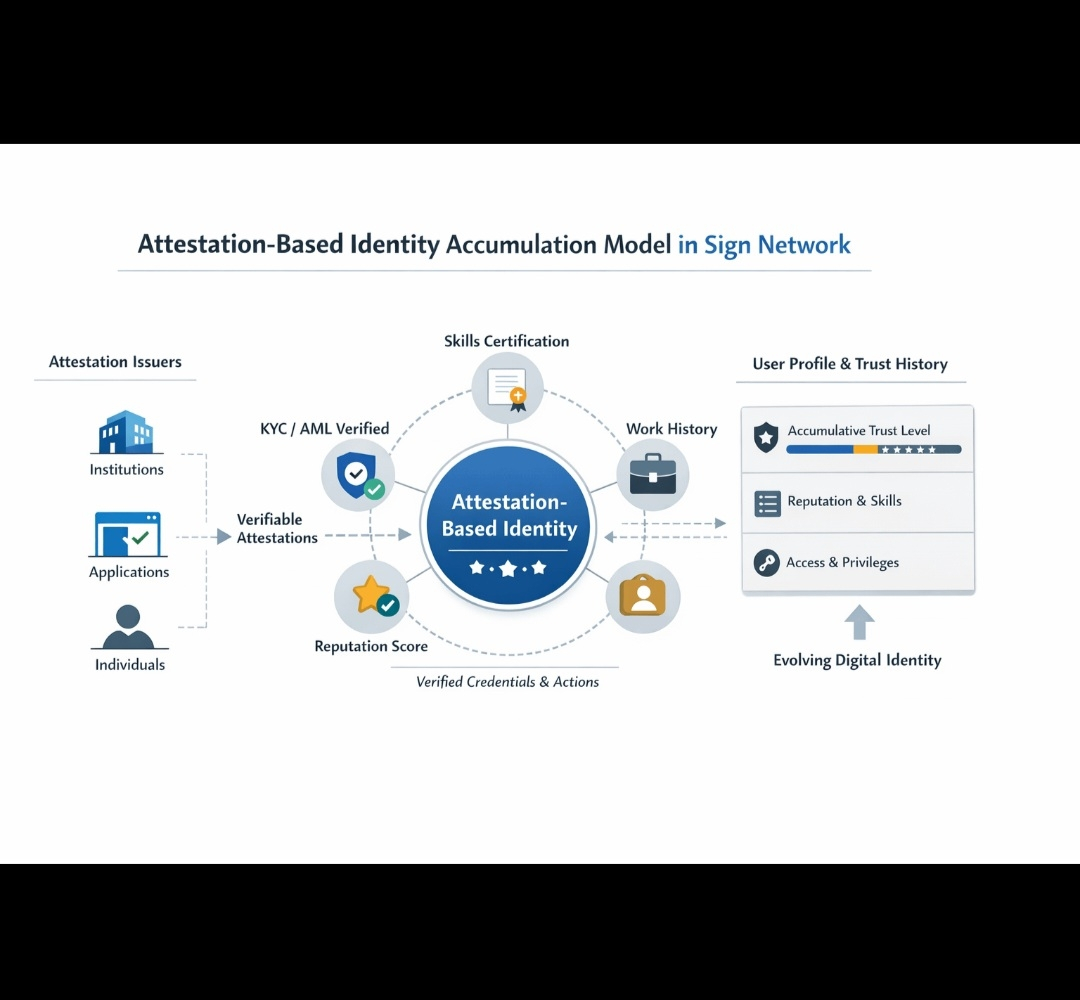
That’s not a feature. That’s friction we’ve learned to ignore.
And that’s exactly the gap Sign Protocol is stepping into.
This Was Never Just About Verification
Most people reduce SIGN to identity or verification. That framing misses the point.
The real issue isn’t proving who you are once.
It’s the inability to carry that proof forward.
Right now, trust is trapped inside individual platforms. It doesn’t move with you. It doesn’t compound. It doesn’t evolve. Every system rebuilds its own version of “truth,” and none of them talk to each other.
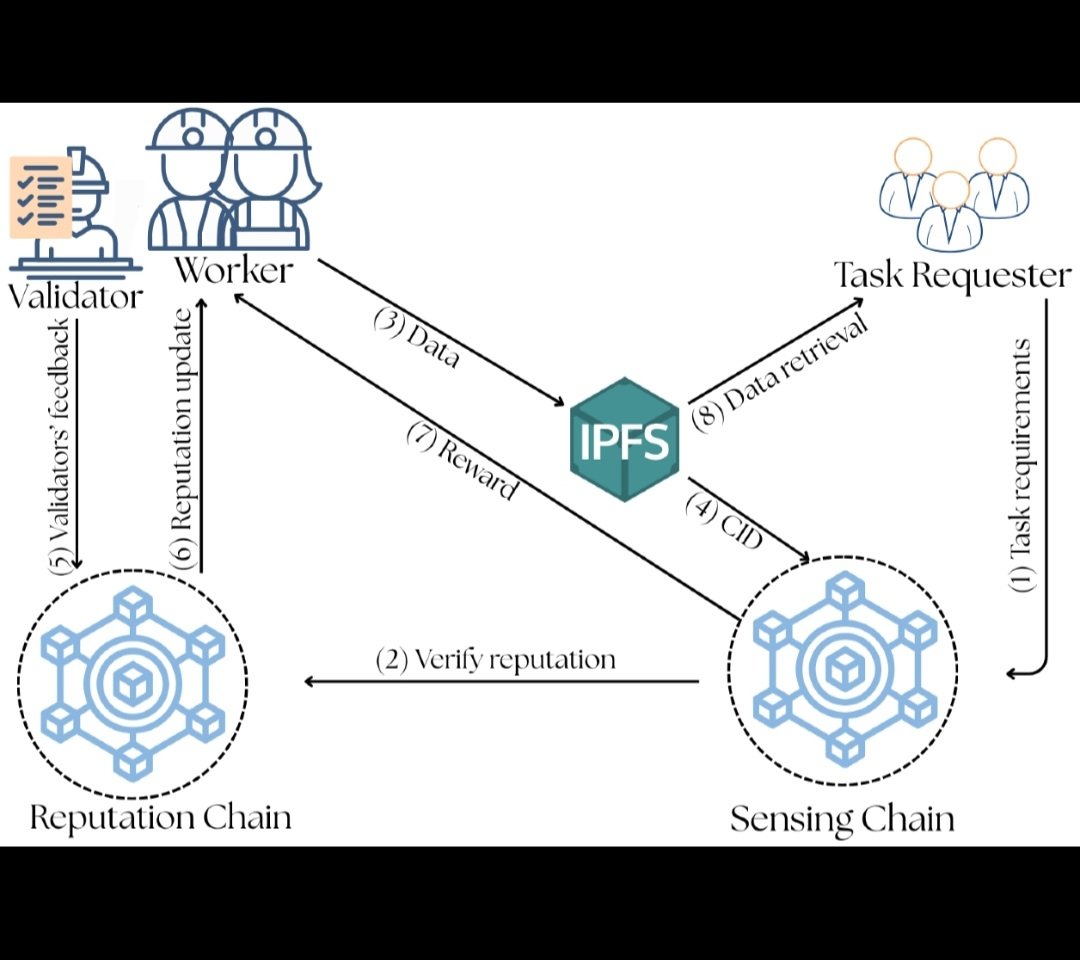
SIGN flips that model.
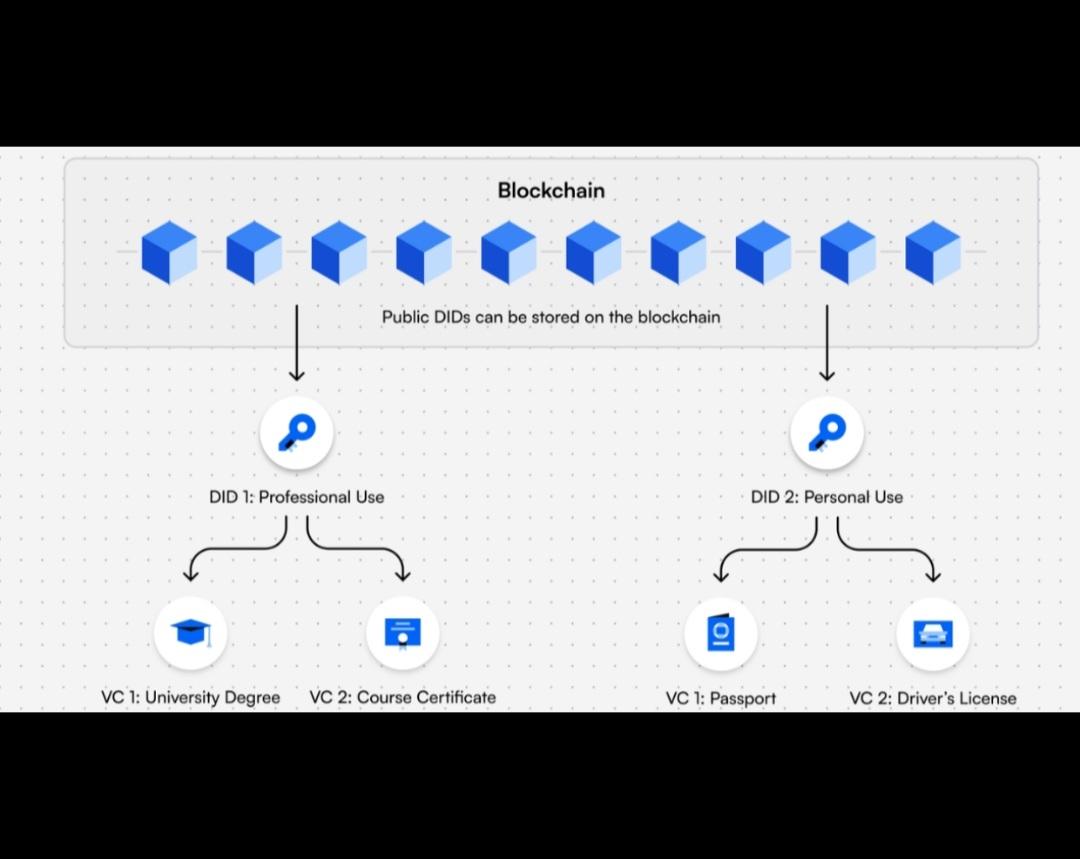
It introduces attestations as a primitive — verifiable pieces of information that exist independently of platforms and can be reused anywhere. Not owned by apps, but anchored to users.
That shift sounds subtle, but it changes the entire structure.
Where It Starts Getting Real
Once information becomes portable, behavior starts to matter in a new way.
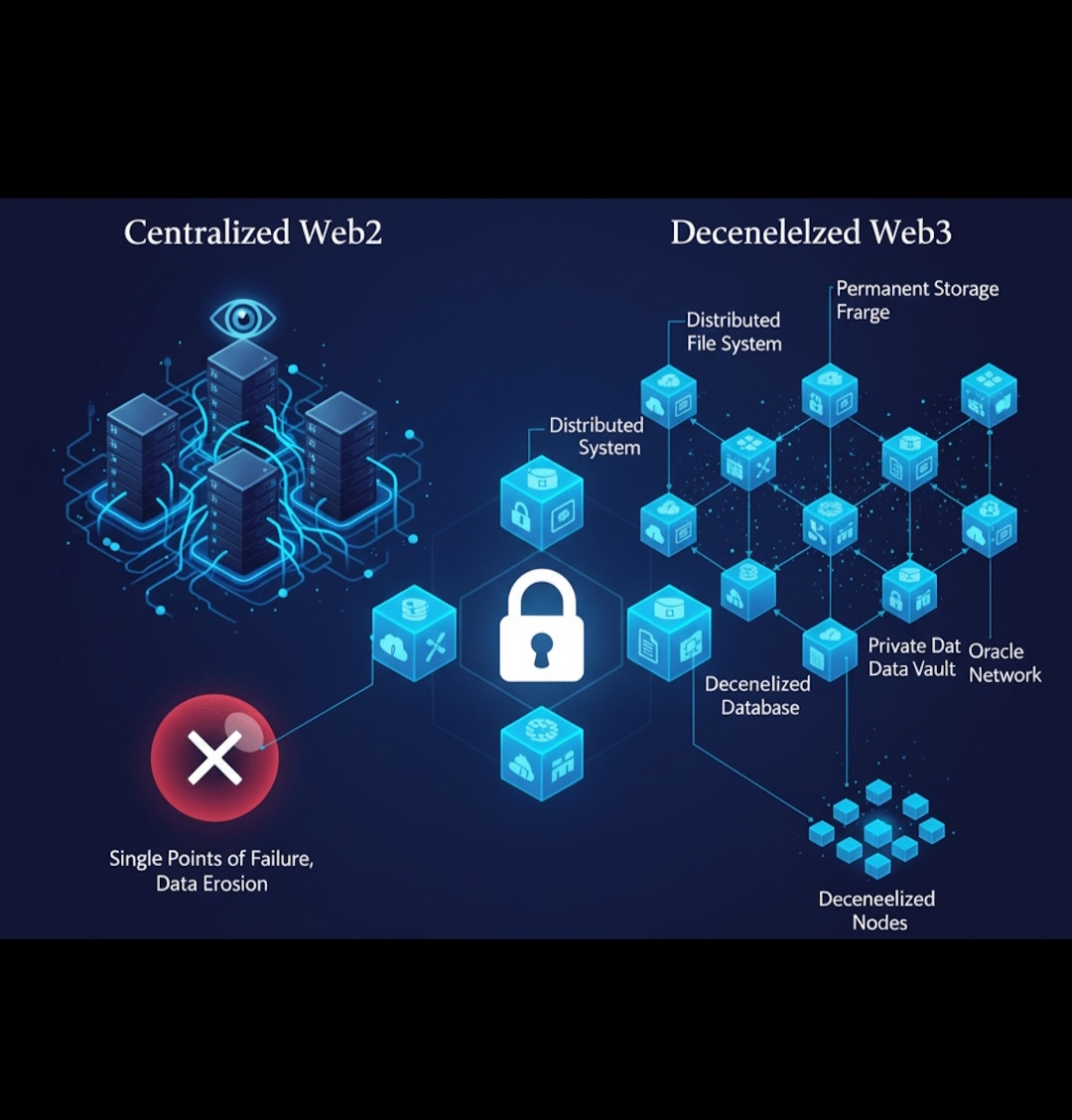
You’re no longer proving eligibility from scratch — you’re presenting history.
You’re no longer filtered by rough heuristics — you’re evaluated through verified actions.
That has immediate consequences:
Airdrops stop being noisy distribution events and become targeted allocations
Sybil resistance stops being reactive filtering and becomes built-in logic
Onboarding stops feeling like repetition and starts feeling continuous
Reputation stops resetting and starts compounding
And importantly, protocols stop operating like isolated silos.
Because when trust becomes composable, ecosystems begin to connect naturally.
Why This Doesn’t Feel Loud — But Is
There’s no hype cycle here. No explosive narrative. No obvious moment where everyone suddenly pays attention.
Because this is infrastructure.
The kind that integrates quietly, gets adopted gradually, and only becomes visible once it’s already critical.
That’s usually where the real leverage sits.
SIGN isn’t trying to compete at the application layer. It’s positioning itself underneath it — where decisions get made, where access is defined, where trust is interpreted.
And once something sits there, replacing it becomes extremely difficult.
My Read — This Is a Structural Correction
Web3 moved fast on capital movement — trading, liquidity, yield.
But it left identity and trust behind.
Now we’re seeing the consequences: sybil attacks, inefficient incentives, fragmented users, broken onboarding loops.
SIGN feels less like a new idea and more like a necessary fix.
A layer that should have existed earlier.
And the design direction matters — not platform-owned identity, not centralized verification, but user-carried attestations that can move across systems without friction.
That’s what aligns with the core idea of digital sovereignty.
Final Thought
We don’t need more ways to move assets.
We need better ways to understand participants.
Because the moment trust becomes something you can carry instead of rebuild…
everything downstream — from incentives to access to coordination — starts working the way it should.
