
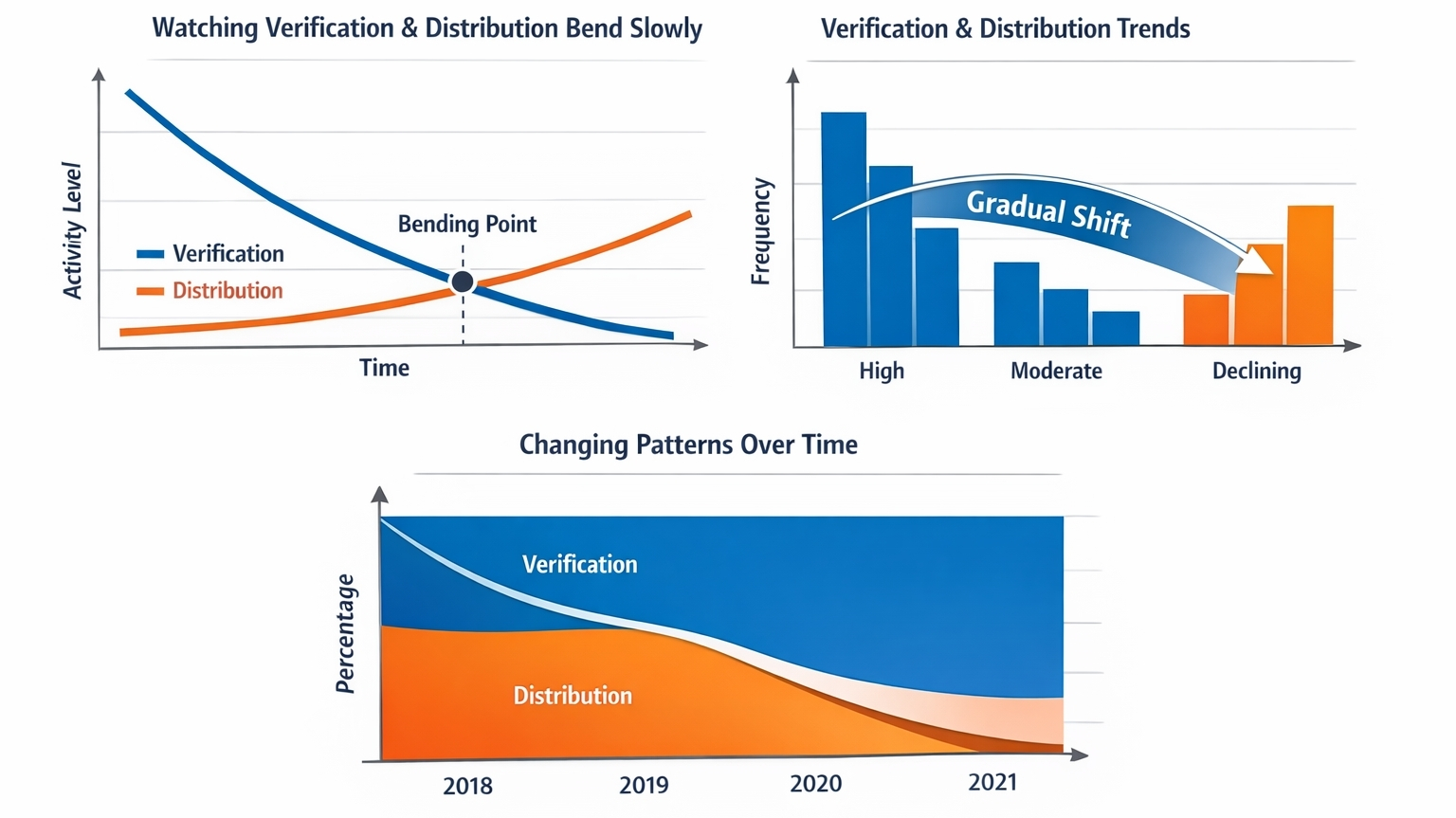

S.I.G.N. SIGN — the whole pitch is credential verification and token distribution, clean words for a messy reality. I’m looking at it the same way I look at any system that claims it can organize people in crypto without things slipping sideways. Not with excitement. More like quiet suspicion. I’ve seen too many “infrastructure” plays that sound necessary and end up being ignored the moment real incentives show up.
I’ve been watching this space long enough to know that verification is where theory and behavior start arguing with each other. Everyone wants “real users,” but nobody agrees on what real actually means once money is involved. Wallets multiply, identities blur, participation turns into strategy. People don’t join systems to behave correctly, they join to extract what they can within the rules — and sometimes just outside them. That’s not even a criticism anymore, it’s just how things settle.
So when SIGN talks about credentials, I don’t hear purity, I hear pressure. Because the moment you define a valid credential, you’ve created a target. Something people will optimize for, reshape, or fake if the reward is there. It doesn’t matter how thoughtful the framework is at the start. It gets tested by people who are faster, more patient, and often more creative than the designers expect.
Then there’s distribution, which is always sold like a solved problem until it actually happens. I’ve watched enough airdrops and token launches to know how quickly “fair” turns into “efficient for whoever understands the loopholes first.” Early access becomes quiet advantage. Criteria become checklists. Communities become crowds competing for slices of something they didn’t help build but still feel entitled to. It’s not clean, and it never has been.
What’s interesting about SIGN isn’t that it claims to fix all that. It’s that it’s choosing to sit right in the middle of it. Most projects avoid this layer because it’s thankless and hard to defend when things go wrong. Building a system that tries to verify who deserves what — or at least who qualifies — means stepping into a space where every decision can be questioned. And it will be.
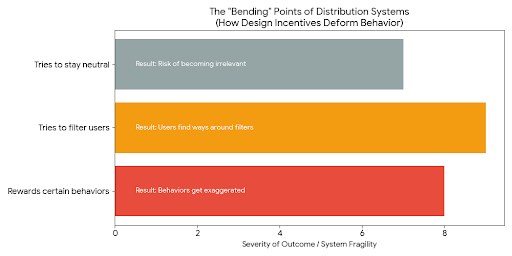
I keep turning it around in my head, trying to see where it bends. Because everything bends eventually. If the system rewards certain behaviors, those behaviors get exaggerated. If it filters users, people find ways around the filter. If it tries to stay neutral, it risks becoming irrelevant. There’s no stable position here, just trade-offs that show up over time.
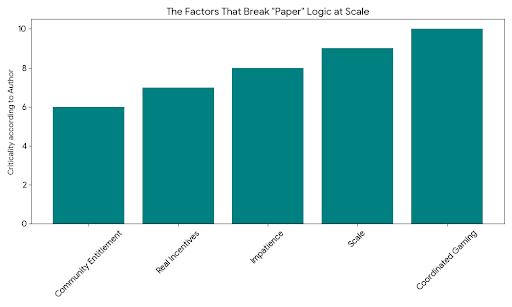
And I think that’s the part most people skip. They look at the structure and assume it will hold because it makes sense on paper. But paper doesn’t deal with scale, or impatience, or coordinated gaming. Paper doesn’t deal with the moment when thousands of users all decide to push on the same weak point at once.
Still, I can’t dismiss it. Not completely. Because underneath all the skepticism, the problem it’s pointing at is real and persistent. Projects keep failing at distribution. They keep misjudging users. They keep building systems that work in controlled conditions and fall apart in open environments. Something has to evolve there, even if it happens slowly and imperfectly.
SIGN feels like one of those attempts that might matter not because it’s perfect, but because it’s aiming at the right fracture in the system. That doesn’t mean it works. It just means it’s looking where things actually break.
I’m not convinced, but I’m not ignoring it either. I’ve learned to pay attention to projects that deal with uncomfortable layers instead of avoiding them. Most won’t get it right. Some might get close enough to shift how things are done. The rest fade out and leave behind small ideas others reuse later.

Right now, this one sits somewhere in between for me. Not noise, not signal. Just something I keep watching, waiting to see how it behaves when people start using it the way they actually do, not the way it was designed for. That’s usually where the real story begins, and it’s almost never as clean as the original pitch.