
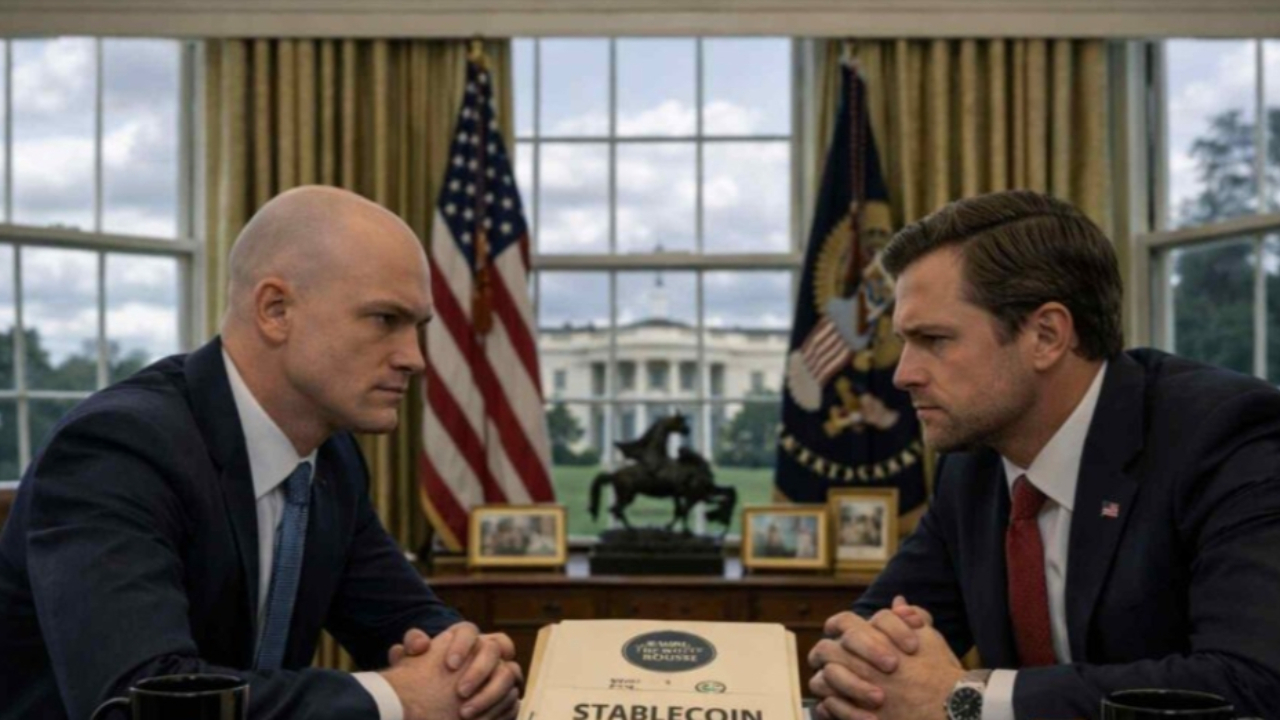
There is a new tension building around the CLARITY Act in the United States. What started as a policy discussion is now turning into a public clash between the government and parts of the crypto industry. The message from the White House side feels like a warning. The idea is simple. If the current bill is blocked then future rules could become much stricter.
A senior policy voice linked to digital assets said that if the bill does not move forward things may get worse later. The point they tried to make is that the current draft is a middle ground. If that fails then a future government could take a harder line on stablecoins DeFi and crypto in general. This statement changed the tone of the debate. Earlier signals were softer but now the pressure is out in the open.
On the other side the crypto industry is not fully happy with the draft. Some groups are working on a counter plan. Their focus is to protect stablecoin rewards so users can still earn from holding these assets. They believe the current draft may limit that in a way that hurts growth and user interest.
The disagreement is not just about rewards. There are deeper concerns. One big issue is developer protection in DeFi. Some policy experts say the draft does not clearly protect developers who build open systems. They warn that if builders feel unsafe then innovation will slow down. And if DeFi slows down then the whole crypto space loses momentum.
Another issue is taxes. The draft tries to fix double taxation for staking. That means people will not be taxed twice on the same rewards. But the same relief is not clearly given to Bitcoin mining. This has upset many voices in the Bitcoin community. They feel the rules are uneven and unfair. Some also point out that tax relief is being discussed for stablecoin transfers but not for Bitcoin transactions. That creates more tension.
Despite all this there is still hope that a deal can be reached. Industry voices believe the stablecoin reward issue can be solved in the next few weeks. If that happens then the bill could move forward in the Senate by the second half of April. After that it may reach a final vote in early May if everything stays on track.
What we are seeing here is a bigger shift. Crypto is no longer outside the system. It is now part of policy fights and political strategy. Both sides know the stakes are high. One side wants control and safety. The other side wants growth and freedom to build.
The outcome of this bill will shape how crypto works in the United States for years. If both sides find balance then it could bring clarity and stability. If not then the conflict may grow and rules may become stricter in the future.