
While everyone is busy chasing memecoins, hype cycles, and the next so-called 100x, $SIGN seems to be playing a completely different game.
This isn’t about short-term chart action.
This is about infrastructure.
At first glance, I honestly thought SIGN was just another “DocuSign on blockchain” idea — upload a file, hash it, store it somewhere immutable, and call it innovation.
But after digging deeper, that assumption completely changed.
Because this is not really about documents.
It’s about building the trust and financial rails that governments and national systems could actually run on.
That’s a much bigger narrative.
Today, governments face a serious problem.
On one side, they are still running on slow legacy systems — paperwork, disconnected databases, and long administrative delays.
On the other side, crypto offers speed, transparency, and global accessibility, but the lack of control makes it difficult for sovereign institutions to adopt.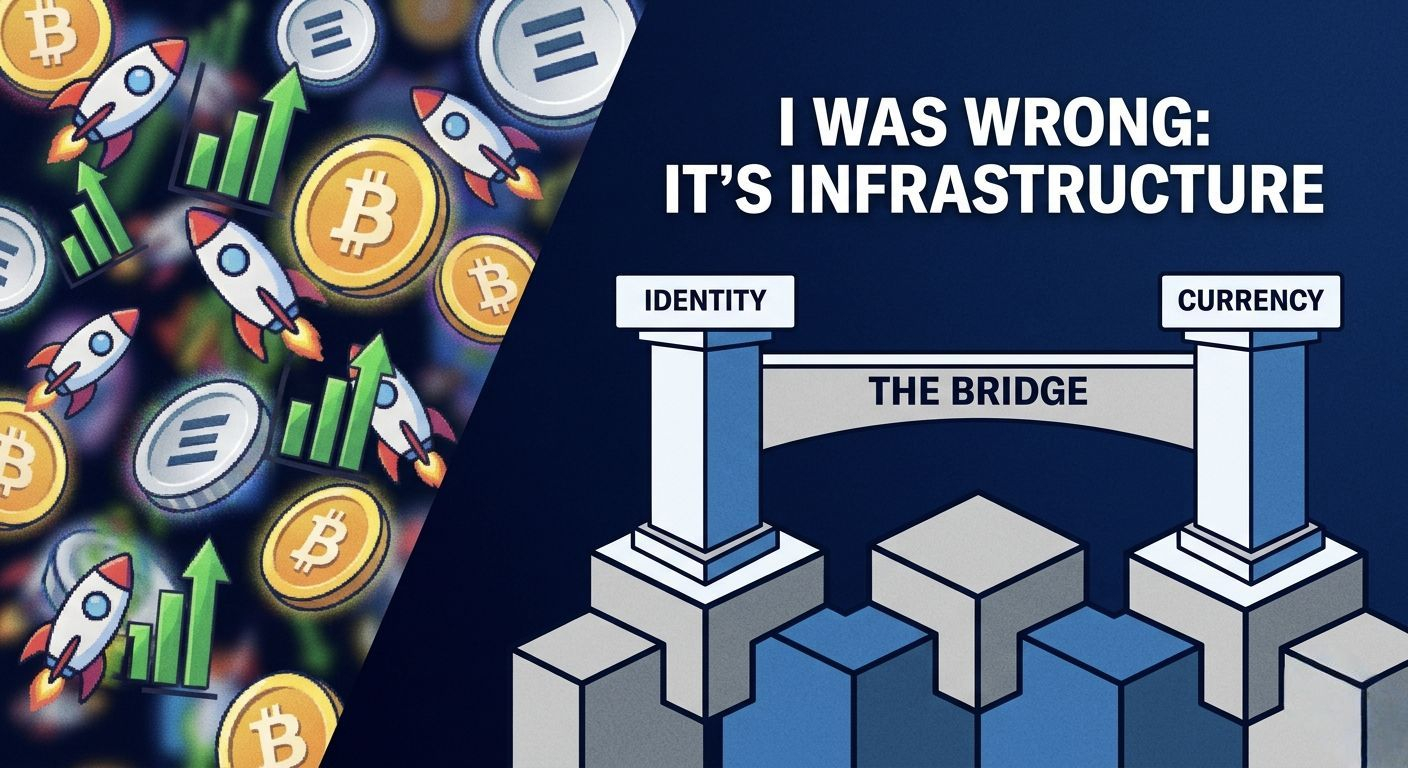
This is exactly where SIGN becomes interesting.
It positions itself right in the middle.
A bridge between state-controlled systems and open blockchain networks.
The two pillars here are simple:
Digital Identity and Digital Money
First, digital identity.
Not the old “upload your passport every time” model.
The focus is on reusable, cryptographically verifiable identity credentials that can work across multiple services.
That means less paperwork, lower fraud risk, and faster onboarding for everything from banking to government services.
This aligns with the broader global shift toward digital public infrastructure and identity systems.
Second, digital currency.
This is where the CBDC and stablecoin angle becomes important.
Kyrgyzstan has already moved forward with the digital som, granting it legal status and launching a pilot framework through the National Bank.
That alone makes this narrative more than just a whitepaper story.
And then came Sierra Leone.
SIGN reportedly signed an agreement with the Ministry of Technology to build a national digital identity system and stablecoin payment infrastructure.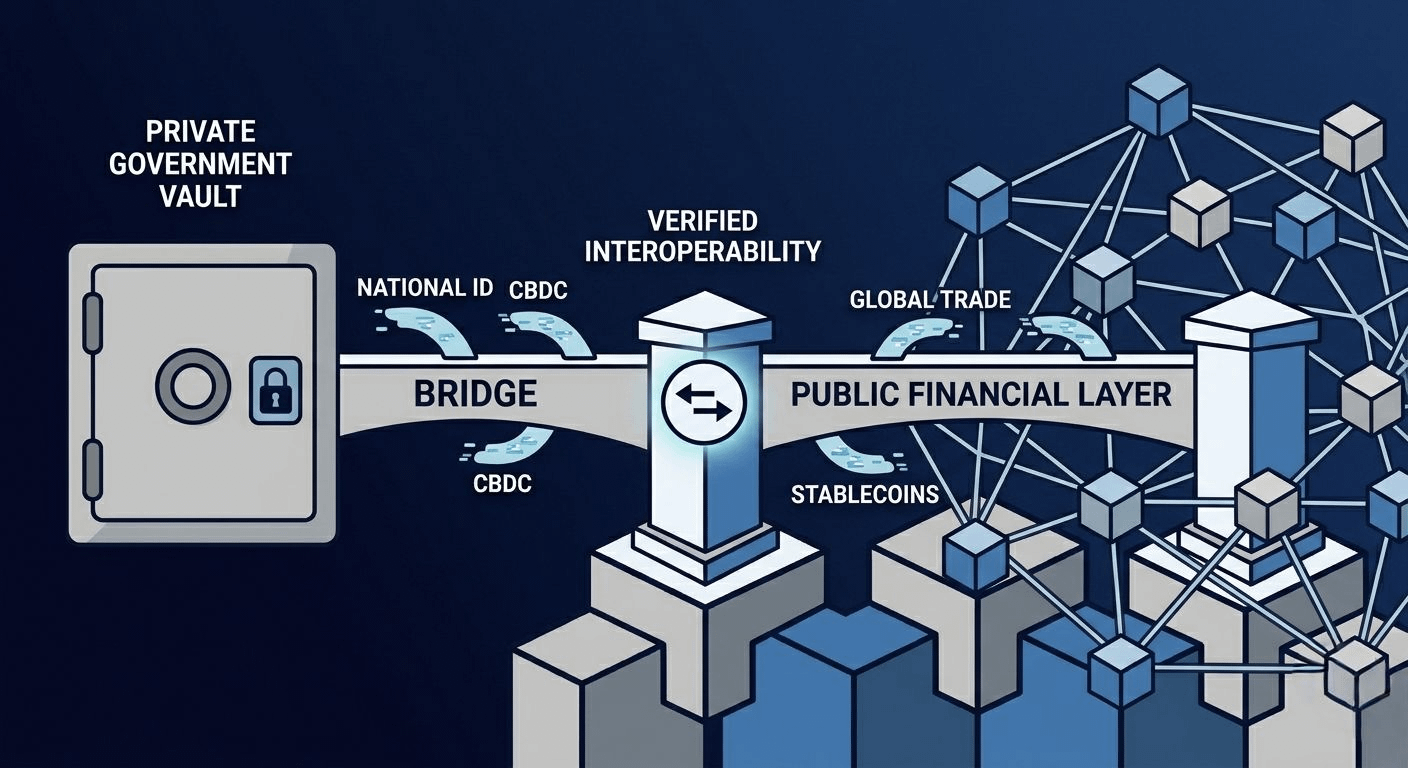
This is the part many people miss:
execution matters more than narrative.
Anyone can talk about infrastructure.
Very few projects are actually entering government-level deployments.
Under the hood, the stack also makes sense:
Sign Protocol → identity and attestations
TokenTable → large-scale token / fund distribution
Hybrid infrastructure → balance between control and transparency
That means the project is not just speculative.
It is trying to solve real-world problems:
✔ identity verification
✔ fund distribution at scale
✔ cross-border digital payments
✔ sovereign financial infrastructure
Still, this is not risk-free.
Government partnerships move extremely slowly.
Political leadership changes can shift priorities overnight.
Scaling across multiple countries introduces regulatory and operational complexity.
So yes — caution is necessary.
But compared to projects built only around market hype, $SIGN feels like a bet on infrastructure rather than speculation.
And historically, infrastructure narratives tend to matter the most when adoption starts becoming real.
That’s why I’m watching this one closely.
Not for the noise.
For the long-term utility.