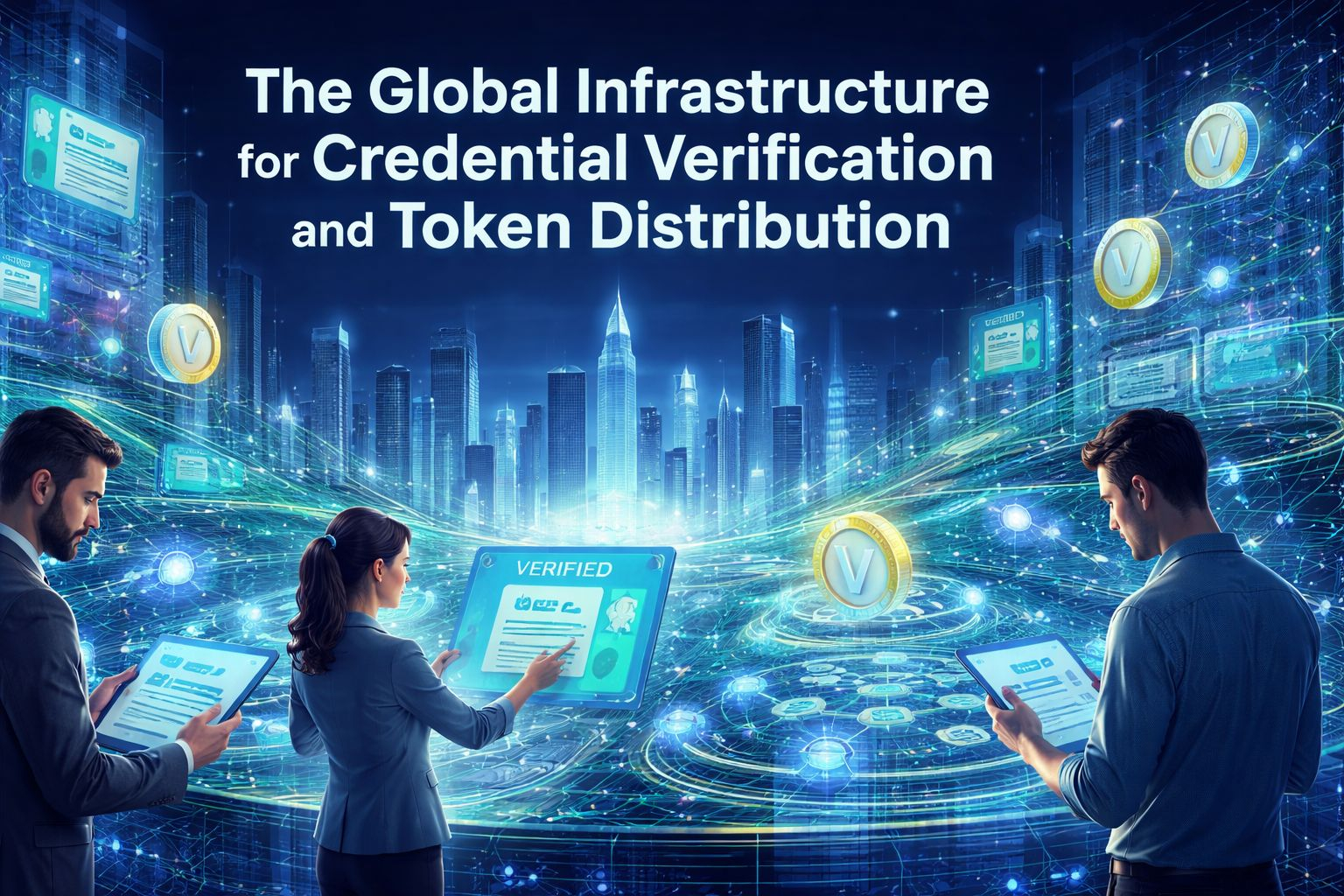
În lumea de astăzi, unde interacțiunile digitale domină aproape fiecare aspect al vieților noastre, încrederea a devenit cea mai valoroasă monedă. Împărtășim informații sensibile online, fie că este vorba despre identitate personală, realizări educaționale sau acreditive profesionale, cu toate acestea sistemele pe care ne bazăm pentru a verifica aceste informații sunt adesea fragmentate și vulnerabile. Aici intervine infrastructura globală pentru verificarea acreditivelor și distribuția token-urilor—o abordare unificată care nu doar asigură securitatea, ci și împuternicește indivizii și organizațiile cu transparență, responsabilitate și control asupra identităților lor digitale.
La baza sa, această infrastructură este concepută pentru a verifica acreditivele într-un mod sigur, fiabil și instantaneu. Metodele tradiționale de verificare, cum ar fi verificările manuale sau dependența de autorități centralizate, sunt lente, predispuse la erori și adesea opace. Prin valorificarea unui sistem global, descentralizat, această infrastructură asigură că acreditivele - de la diplome academice la certificări profesionale - sunt imune la manipulare, verificabile în timp real și recunoscute universal. Asta înseamnă că indivizii nu trebuie să mai poarte documente greoaie sau să depindă de terți pentru a-și dovedi abilitățile și identitatea. Organizațiile, pe de altă parte, pot avea încredere în autenticitatea acreditivelor instantaneu, reducând frauda și îmbunătățind eficiența în angajare, conformitate și colaborare.
Dar inovația nu se oprește la verificare. Distribuția de tokenuri este integrată perfect în acest ecosistem, punând punte între încredere și utilitate tangibilă. Acreditivele verificate pot fi legate de tokenuri digitale, permițând acces securizat, sisteme de recompensă sau chiar participarea la guvernare în platforme descentralizate. Această combinație de verificare a acreditivelor și tokenizare creează un nou paradigm al încrederii digitale, unde identitatea, reputația și valoarea se intersectează într-un mod transparent și centrat pe utilizator. Tokenomics în cadrul acestui sistem este gândit cu atenție: tokenurile nu sunt doar active digitale, ci instrumente care încurajează participarea, validează realizările și recompensează contribuțiile la ecosistem. Distribuția lor este echitabilă, transparentă și concepută să crească organic împreună cu rețeaua, creând sustenabilitate și reziliență pe termen lung.
De ce este important acest lucru? Dincolo de inovația tehnică, abordează o nevoie umană fundamentală: nevoia de a fi recunoscut și de a avea încredere. În contexte profesionale, educaționale și financiare, credibilitatea este totul. Prin furnizarea unei infrastructuri verificabile, acceptate universal, oamenii și instituțiile pot interacționa cu încredere, promovând colaborarea peste granițe, industrii și culturi. Este vorba despre a oferi indivizilor control asupra propriilor identități și realizări, asigurând în același timp că organizațiile au instrumentele necesare pentru a le verifica și recompensa corect și eficient.
În concluzie, infrastructura globală pentru verificarea acreditivelor și distribuția tokenurilor este mai mult decât o simplă avansare tehnologică - este un cadru pentru încredere în era digitală. O umanizează experiența digitală prin asigurarea securității, transparenței și echității, în timp ce creează stimulente semnificative prin tokenomics. Pe măsură ce mai multe dintre viețile noastre se desfășoară online, sisteme precum acesta vor fi critice pentru construirea unei lumi în care încrederea nu mai este presupusă, ci verificată, unde realizările sunt recunoscute la nivel global și unde interacțiunile digitale sunt la fel de sigure și semnificative ca întâlnirile față în față. Această infrastructură nu doar că modelează viitorul verificării acreditivelor; ea modelează viitorul încrederii digitale în sine.