
În peisajul digital în continuă evoluție de astăzi, cea mai mare oportunitate nu este un alt token sau o narațiune speculativă — ci infrastructura fundamentală care permite națiunilor și instituțiilor să opereze cu încredere într-o lume descentralizată.@SignOfficial 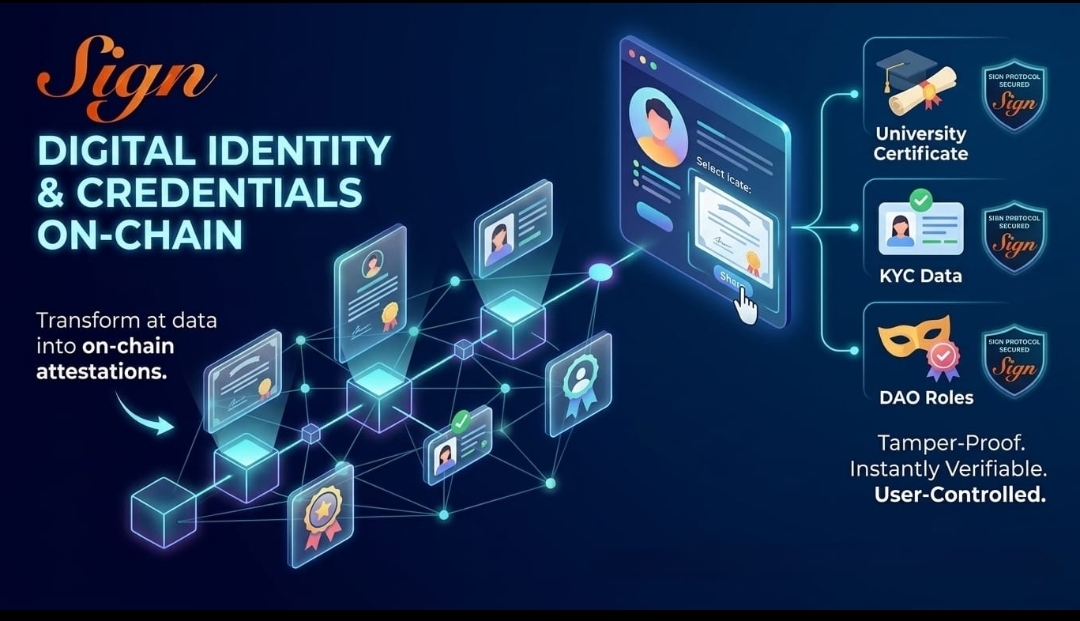 este unul dintre puținele proiecte care abordează acest lucru direct prin construirea unei infrastructuri digitale de grad suveran care susține banii, identitatea, conformitatea și fluxurile de capital pe blockchain într-un mod sigur și auditabil.
În esența sa, ecosistemul Sign permite revendicări verificabile, ancorate criptografic — ceea ce înseamnă că identitatea, acreditivele, eligibilitatea și valoarea pot fi dovedite și recunoscute în întreaga sistem fără intermediari centralizați. Această capacitate este esențială pentru guverne, reglementatori și organizații mari care doresc să modernizeze cadrele legale păstrând în același timp suveranitatea și controlul.
Ceea ce face ca Sign să fie diferit este că nu concurează cu sistemele tradiționale - le completează, oferind un strat nativ blockchain pentru verificare și interoperabilitate. Aceasta este deosebit de relevantă în regiuni precum Orientul Mijlociu, unde transformarea economică și modernizarea digitală sunt priorități strategice. Prin facilitarea sistemelor digitale de încredere la scară, infrastructura Sign poate conduce la o incluziune financiară mai mare, servicii publice mai eficiente și ecosisteme digitale transparente.
Tokenul nativ $SIGN joacă un rol critic prin alimentarea guvernării, stimulentelor de rețea și utilității în întreaga această infrastructură. Pe măsură ce națiunile explorează moneda digitală, soluții de identitate și sisteme de capital programabile, $SIGN devine mai mult decât un token - devine un motor de utilitate pentru cadrele digitale suverane care pot susține economii întregi.
Într-o lume în care suveranitatea digitală devine din ce în ce mai vitală, misiunea și tehnologia Sign conturează următoarea val de inovație în infrastructură - construind sisteme în care guvernele, întreprinderile și cetățenii pot avea încredere și se pot baza mult timp în viitor.