
Nu căutam o nouă narațiune când am deschis graficele astăzi. Era același model din nou—prețul se mișca, atenția se rotea, zgomotul era îmbrăcat ca un semnal. Dar, sub toate acestea, ceva mă deranja. Nu despre piețe, ci despre cât de fragil se simte totul în continuare în Web3.
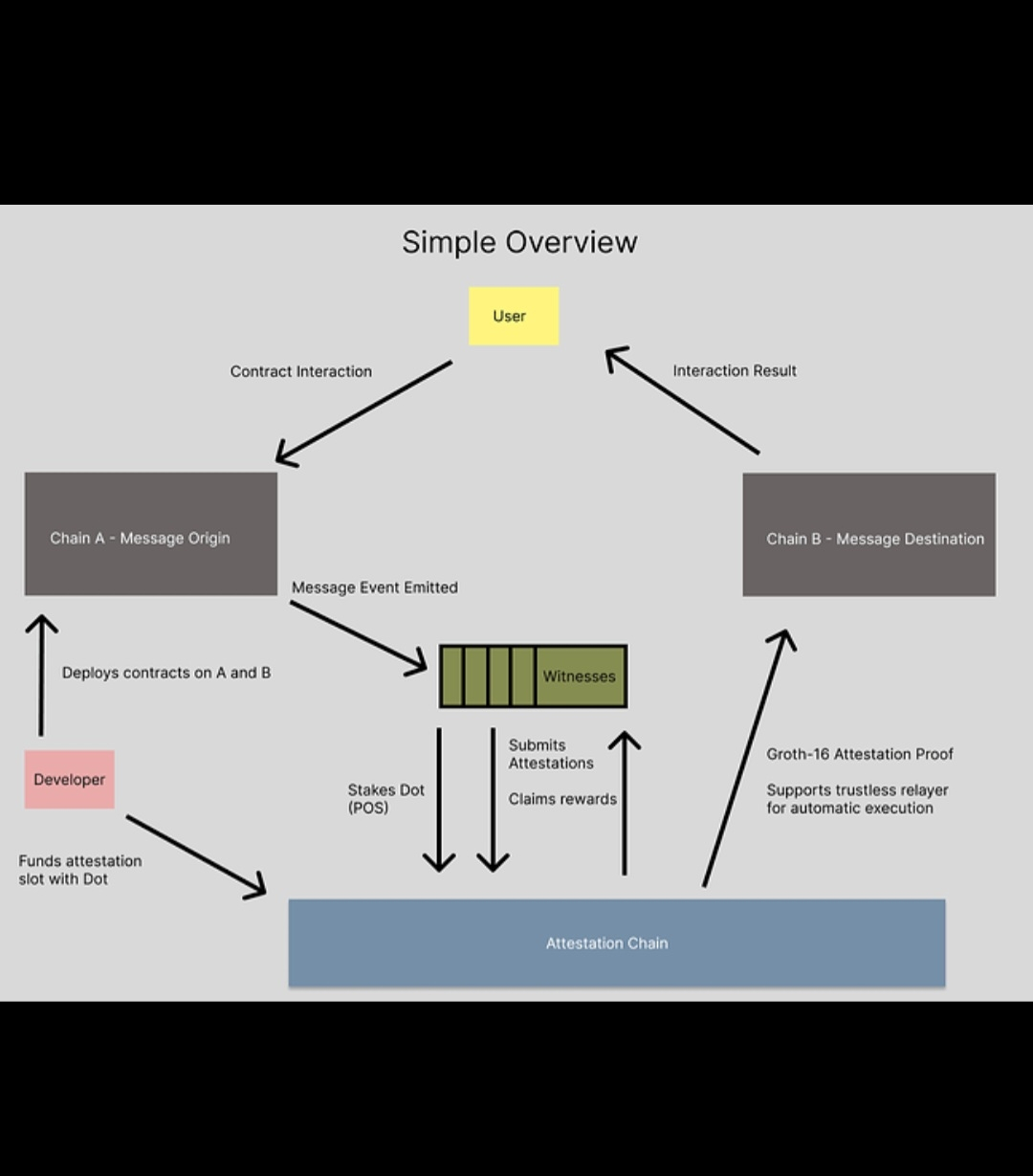
Am normalizat începerea de la zero.
De fiecare dată când conectez un portofel, interacționez cu un protocol sau încerc să accesez ceva restricționat, sunt tratat ca și cum nu aș exista. Fără context. Fără istorie. Fără semnal despre cine sunt sau ce am făcut. Doar o altă adresă. Și cumva, am acceptat asta ca fiind “decentralizare.”
Dar nu este eficiență. Este frecare.
Și frecarea la scară ucide adoptarea în tăcere.
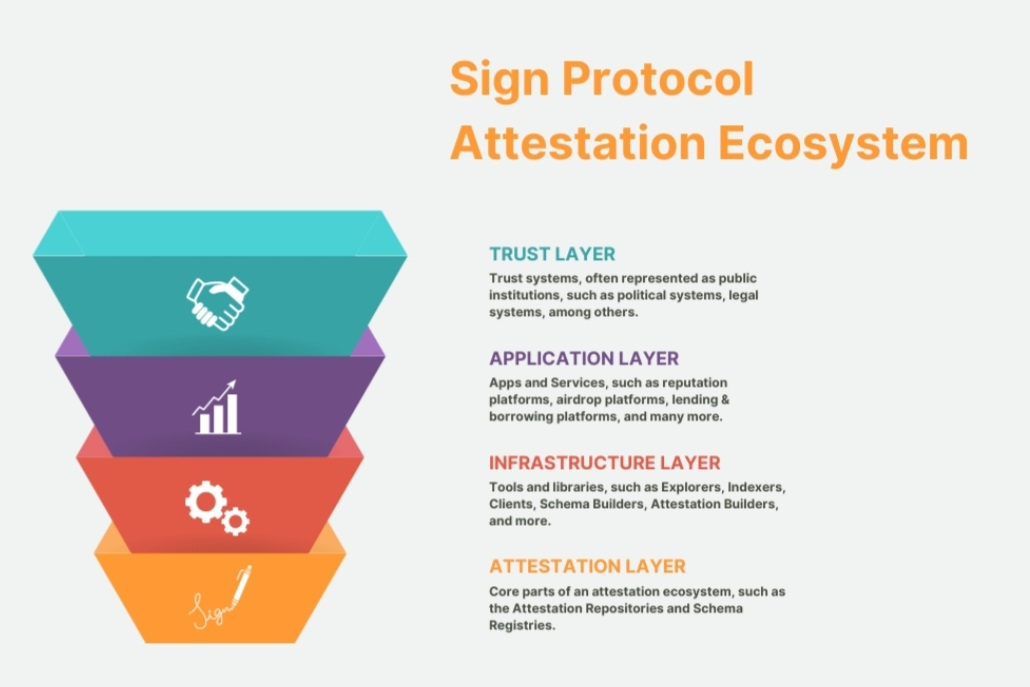
Acolo unde Protocolul Semn a început să aibă sens pentru mine—nu ca un alt produs, ci ca un strat lipsă pe care l-am ignorat.
Pentru că adevărata problemă nu este încrederea. Este portabilitatea încrederii.
În prezent, încrederea este fragmentată. O câștigi într-un loc, și moare acolo. Dovedești ceva o dată, și trebuie să dovedești din nou peste tot. KYC aici. Verificare acolo. Reputație undeva altundeva. Este fragmentat, repetitiv și complet deconectat.
Semn schimbă acea dinamică transformând încrederea în ceva compozabil.
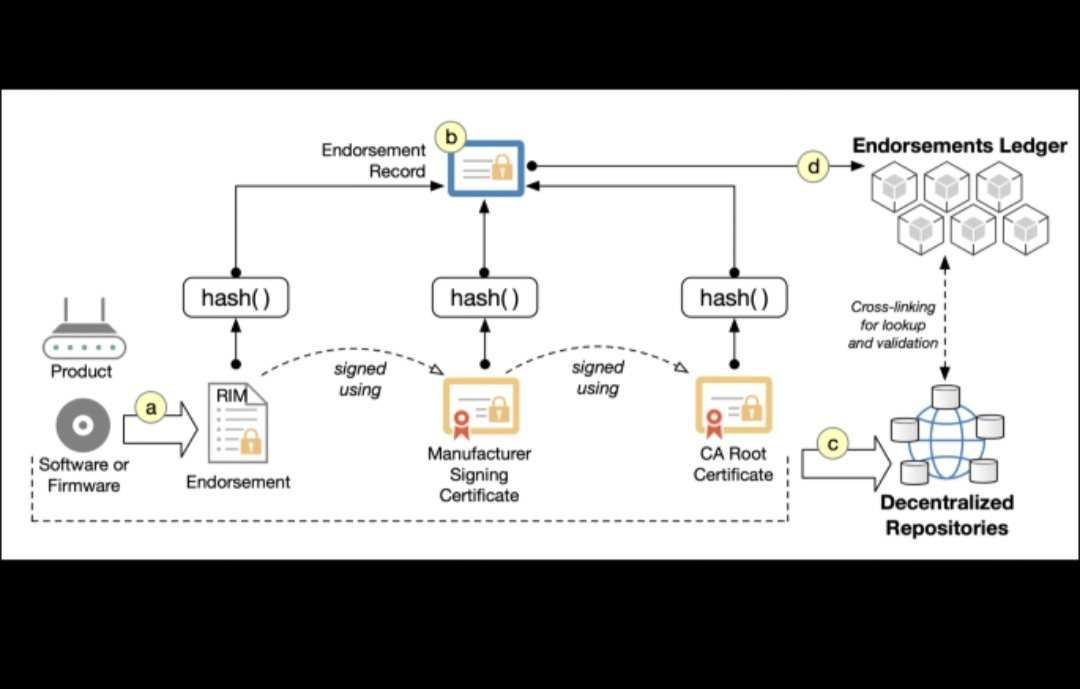
O atestare nu este doar date. Este o dovadă reutilizabilă. Ceva ce poate să te însoțească în aplicații, lanțuri și ecosisteme. În loc să reconstruiești credibilitatea de fiecare dată, o duci mai departe.
Și acea schimbare este mai mare decât pare.
Pentru că odată ce încrederea devine portabilă, întreaga experiență de integrare se schimbă. Nu începi de la zero—începi de la context. Protocoalele nu trebuie să ghicească cine ești—ele pot verifica instantaneu. Accesul devine mai ușor. Interacțiunile devin mai rapide. Sistemul devine mai inteligent fără a deveni mai centralizat.
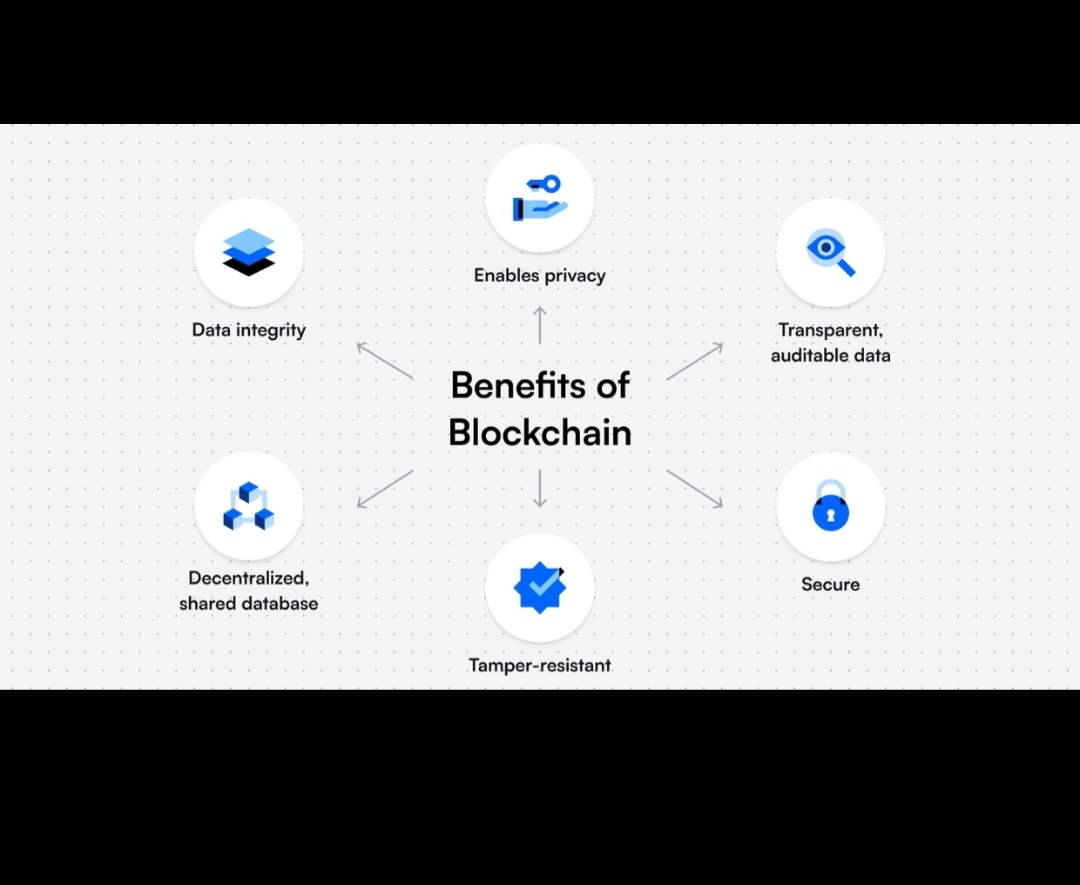
Aceasta este partea pe care majoritatea oamenilor o ratează.
Aceasta nu este despre identitate în sensul tradițional. Nu este despre expunerea utilizatorilor sau compromiterea intimității. Este despre divulgarea selectivă—dovedind ceea ce contează, când contează, fără a renunța la tot ce este altceva.
Și acesta este un model foarte diferit.
Când mă uit la direcția în care se îndreaptă Web3, nu văd următoarea valvă fiind condusă de lanțuri mai rapide sau narațiuni mai zgomotoase. O văd fiind modelată de infrastructuri invizibile—sisteme care reduc frecarea atât de eficient încât utilizatorii nici măcar nu le observă.
Semnul se află exact în acea categorie.
Tăcut, dar fundamental.
Pentru că odată ce rezolvi mișcarea încrederii, deblochezi un alt tip de efect de rețea. Unul în care credibilitatea se compune. Unde participarea devine mai ușoară în timp, nu mai greu. Unde utilizatorii nu sunt reintegrați constant în sistem—evoluează în interiorul lui.
Și aceasta este ceea ce a lipsit Web3.
Am construit sisteme fără permisiune, dar am uitat să le facem coerente.
Am dat utilizatorilor control, dar fără continuitate.
Am eliminat intermediarii, dar nu am înlocuit memoria pe care o ofereau.
Semnul nu încearcă să fie cel mai zgomotos proiect din cameră. Face ceva mai incomod—reparând partea sistemului pe care majoritatea oamenilor au învățat să o ignore.
Dar dacă această strat funcționează așa cum trebuie, nu va rămâne invizibilă mult timp.
Pentru că momentul în care încrederea încetează să se reseteze.
Totul celălalt începe să se compună.