
Why I'm preferring Solana right at the moment over many others?
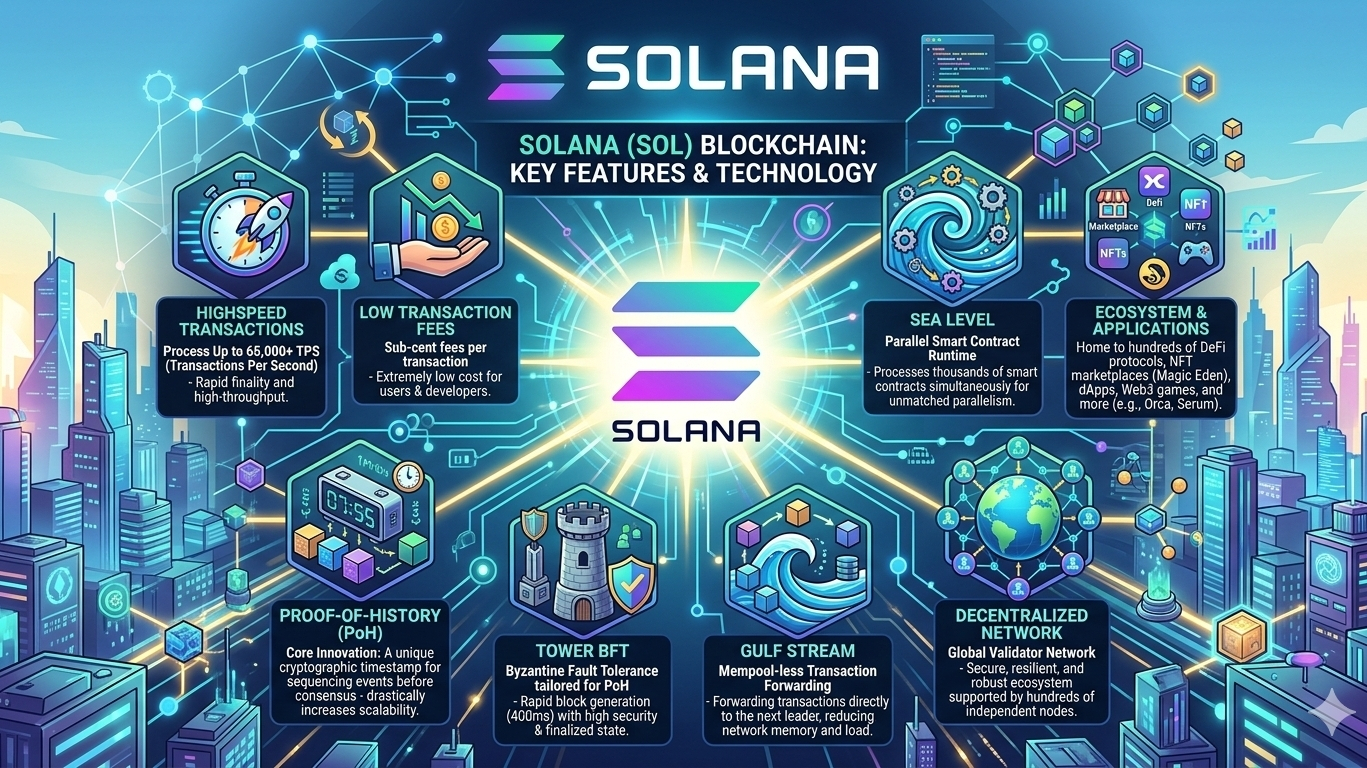
Because many individuals monitor the value of Solana, but I prefer to focus on the number of developers involved with the platform. One metric reflects the current state of the market, while the other indicates its future trajectory. The number of full-time developers working on Solana increased by 29.1% year-over-year and surged by 61.7% over two years, making it one of the fastest-growing platforms in the entire sector. In 2025, Solana achieved a historic milestone by becoming the first blockchain to surpass Ethereum in developer growth, ending Ethereum's eight-year reign as the most popular choice for new developers. This is a significant development—a fundamental change in the landscape. What attracts these developers to Solana? It can handle over 10,000 transactions per second, has minimal costs, and provides support through frameworks like Anchor and the Solana Mobile Stack, which simplifies the programming process. Creators are eager to launch their projects, and Solana enables quicker and more economical deployments to a larger audience. It's that straightforward. Supporting these creators leads to increased revenue. The protocol's earnings skyrocketed from approximately $13 million in 2022-2023 to an astonishing $2.85 billion in 2024-2025. A greater number of developers results in a wider array of applications, which generates more fees. This influx attracts even more builders, creating a self-reinforcing cycle that is currently gaining momentum.
At present, over 65% of circulating SOL is staked, which reduces the available supply while strengthening network security. This dwindling supply, combined with an expanding ecosystem, is a situation that cannot go unnoticed for long. Developer engagement serves as an early indicator of market trends, while prices reflect past movements. If you understand the significance of developer activity, predicting price movements becomes much simpler.