
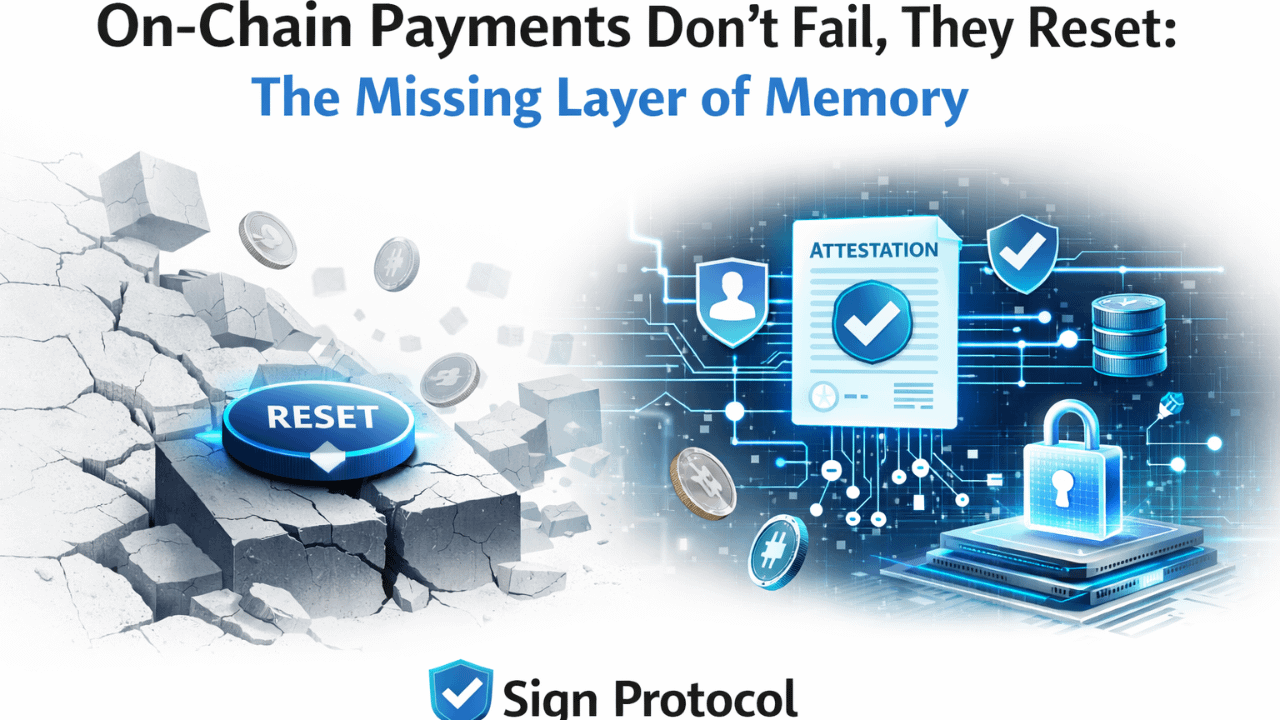

I used to think the hardest problem in payments was execution. If value could move instantly, without intermediaries, with transparent settlement then everything else would naturally fall into place.
But the more I actually used on chain systems, the more something felt incomplete. Payments worked, technically. Funds moved exactly as expected. Yet every time I interacted with an application, it felt like the system had no idea who I was beyond a wallet, or what I had already done.
It wasn’t friction in execution. It was absence of continuity. And that started to feel like a deeper flaw than inefficiency.
When I looked closer, I realized the system wasn’t lacking activity, it was lacking memory.
We often talk about composability as if it applies to users, but in practice, it mostly applies to contracts. Behavior doesn’t compose. Context doesn’t persist. Ideas like programmable payments sound meaningful, but they rarely translate into something reusable across interactions.
Everything executes. Nothing accumulates.
And that’s what felt off.
At some point, my evaluation framework shifted without me noticing.
I stopped asking how fast or how cheap a payment was, and started asking something simpler:
What survives after this transaction?
From concept to execution.
From narrative to usability.
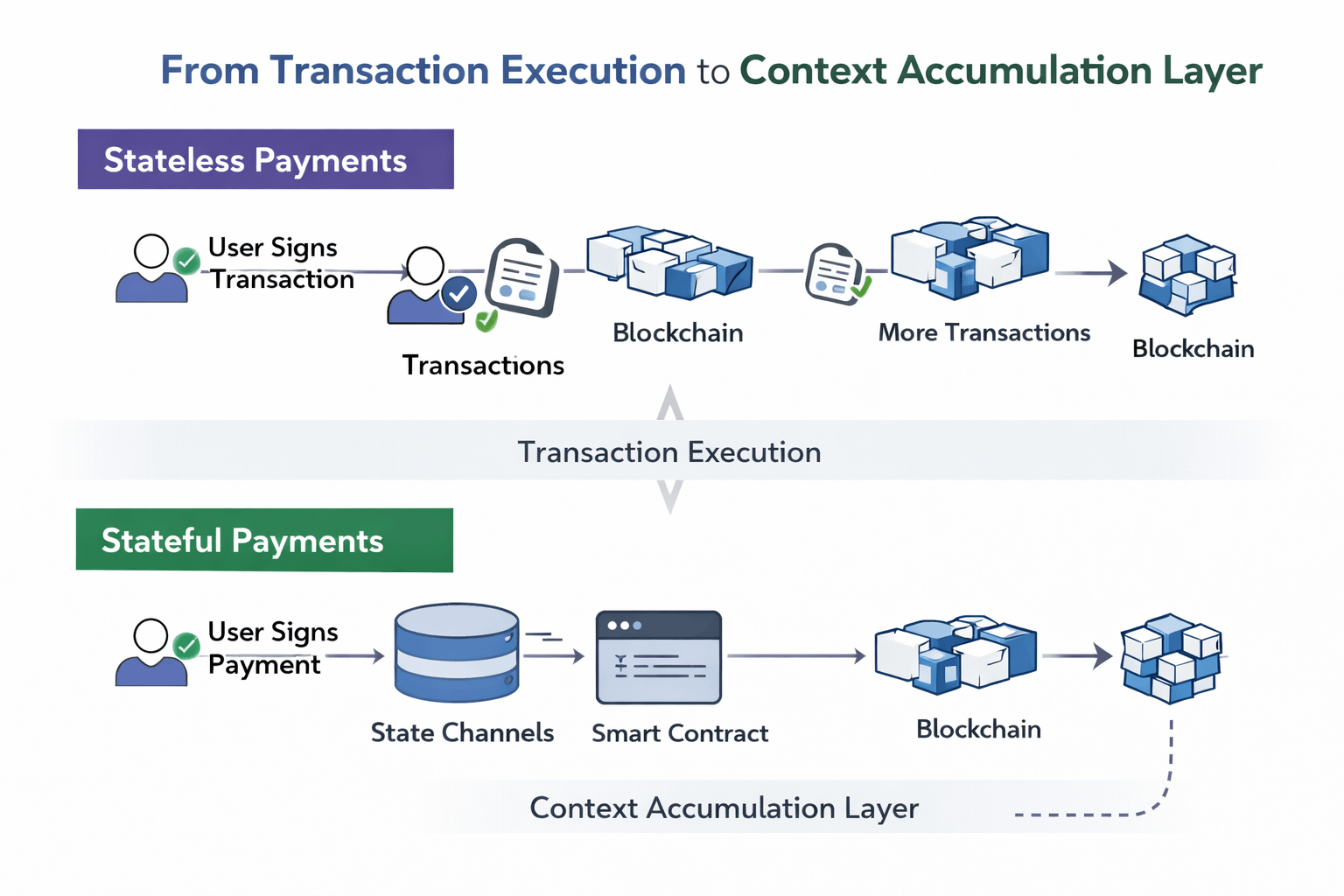
Transaction volume started to look like a weak signal. It shows that something is happening but not whether anything is being retained, reused, or built upon.
A system can be active and still reset every time.
This is where @SignOfficial Protocol started to click for me not as a payment solution, but as a missing layer I hadn’t been accounting for.
At first, it felt like an abstraction. Schemas, attestations, issuers, it didn’t immediately connect to payments.
But the question it introduced stayed with me:
What if the limitation isn’t how payments execute but what they leave behind?
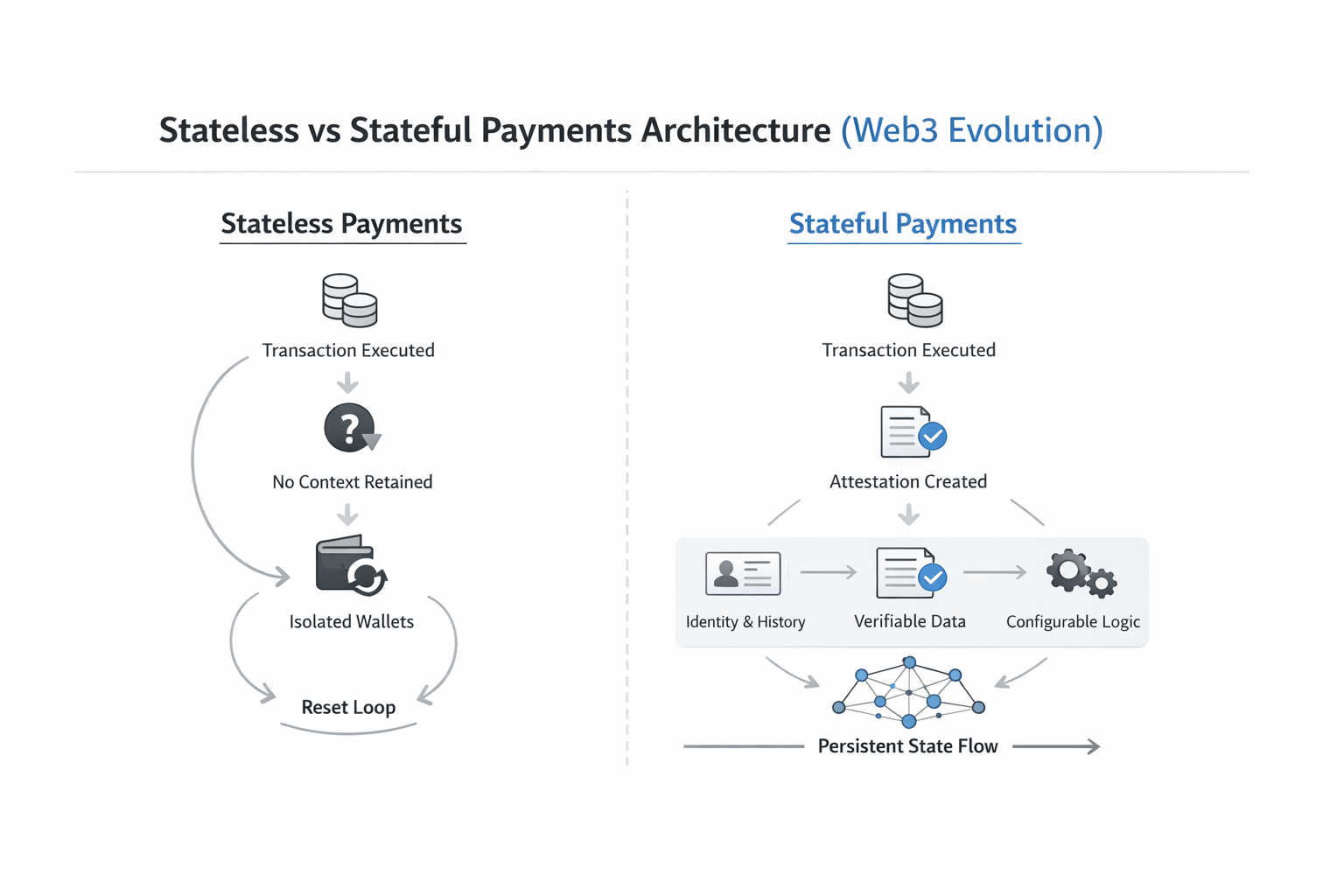
Because when I broke it down honestly, most on chain payments today are structurally stateless.
They record that value moved. That’s it.
There’s no standardized way to encode:
Why it happened
Under what conditions
Linked to which prior state
Verified by whom
So every application rebuilds context from scratch. Every time.
Users repeat actions. Systems re verify data. Logic gets duplicated across environments that can’t share meaning.
What we call decentralization often ends up behaving like fragmentation.
$SIGN Protocol approaches this from a different angle and this is where alignment with its design becomes important.
It introduces schemas as structured definitions of data. Not just formats, but agreements on how something should be interpreted and verified.
Then come attestations:
Signed, verifiable records issued against a schema.
They can be:
Stored fully on chain
Or stored off chain with cryptographic anchoring on-chain
That flexibility matters, not everything needs to live on-chain to remain trustworthy.
What matters is that attestations are:
Verifiable
Structured
Queryable
And that last part, queryability is what makes them usable across systems, not just within one.
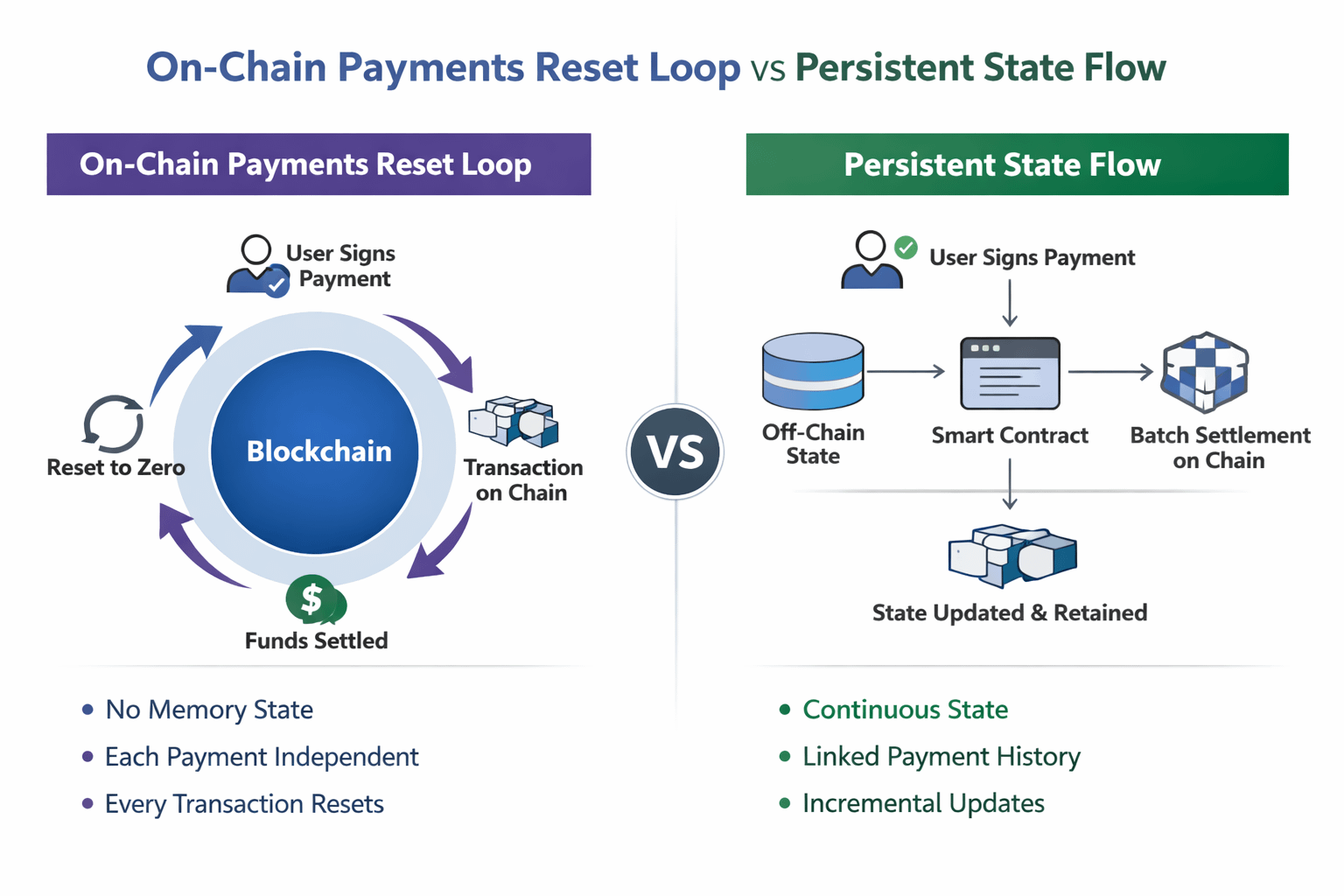
What this enables is subtle, but changes how I think about payments.
A payment doesn’t just execute. It can now be linked to:
A verified identity
A prior action
A condition defined in a schema
A trusted issuer
And importantly:
That context doesn’t stay trapped inside one application.
It becomes portable.
The part that stood out most to me wasn’t just the data, it was the separation of responsibilities:
Schemas define structure.
Issuers define trust.
Attestations carry state.
Applications read and act on it.
This is very different from how most systems are built today, where each application tries to own everything, data, logic, and verification.
Here, context becomes a shared layer.
But that introduces another reality the whitepaper makes clear, even if subtly:
Not all attestations are equal.
Their credibility depends entirely on who issues them.
Zooming out, this connects to something broader.
In real world systems, trust is never derived from a single event. It’s built from repeated, verifiable interactions over time. Credit systems, certifications, access rights, they all depend on accumulated context.
Crypto optimized for permissionless execution.
But it didn’t optimize for persistent credibility.
That’s why so many systems feel active, but not meaningful.
Looking at market signals today, this becomes clearer.
High transaction counts, rising activity, new integrations,these look like growth. But if each interaction starts from zero, the system doesn’t actually compound.
What matters more is:
Whether data persists across applications.
Whether verification can be reused.
Whether users build state over time instead of repeating actions.
Without that, growth stays shallow,even if it looks large.
But this model isn’t guaranteed to work.
The biggest challenge isn’t technical, it’s coordination.
Schemas need to be standardized.
Otherwise, every ecosystem defines its own structure, and composability breaks again, just like early token standards.
Issuers need to be credible.
Otherwise, attestations exist but carry no weight.
Applications need to align.
Otherwise, context remains siloed despite being portable.
And then there’s behavior.
Developers are used to building isolated systems.
Users are used to one time interactions.
Shifting toward shared, persistent context requires a different way of thinking and that takes time.
I was skeptical of this at first.
It felt like another layer being added to an already complex stack. Another primitive that sounded useful in theory.
But upon reflection, what stood out wasn’t what this system added, it was what it exposed.
Because once I started noticing the absence of memory, I couldn’t unsee it.
What builds conviction for me now isn’t announcements or narratives.
It’s patterns.
Applications that rely on verified identity tied to action.
Users who don’t need to restart their context every time.
Issuers whose credibility compounds through repeated attestations.
Systems where data is not just stored, but actually reused.
These are quiet signals, but they’re harder to fake.
At a more human level, this also changes how I think about systems.
Technology often focuses on efficiency, doing things faster, cheaper, at scale.
But people don’t operate that way.
We build trust through repetition.
We assign meaning through history.
We rely on memory, both social and structural.
Without that, everything becomes transactional.
And transactions alone don’t create durable systems.
I don’t think on chain payments were ever failing.
They were just incomplete.
They executed value perfectly, but left behind no structured memory of why that value moved, or how it connects to anything else.
So every interaction resets.
What I’ve come to realize is simple, but difficult to design around:
Until payments carry structured, portable, and verifiable context,
they won’t evolve beyond isolated transactions.
And once they do,
they stop being just movements of value.
and start becoming part of a system that actually remembers.