
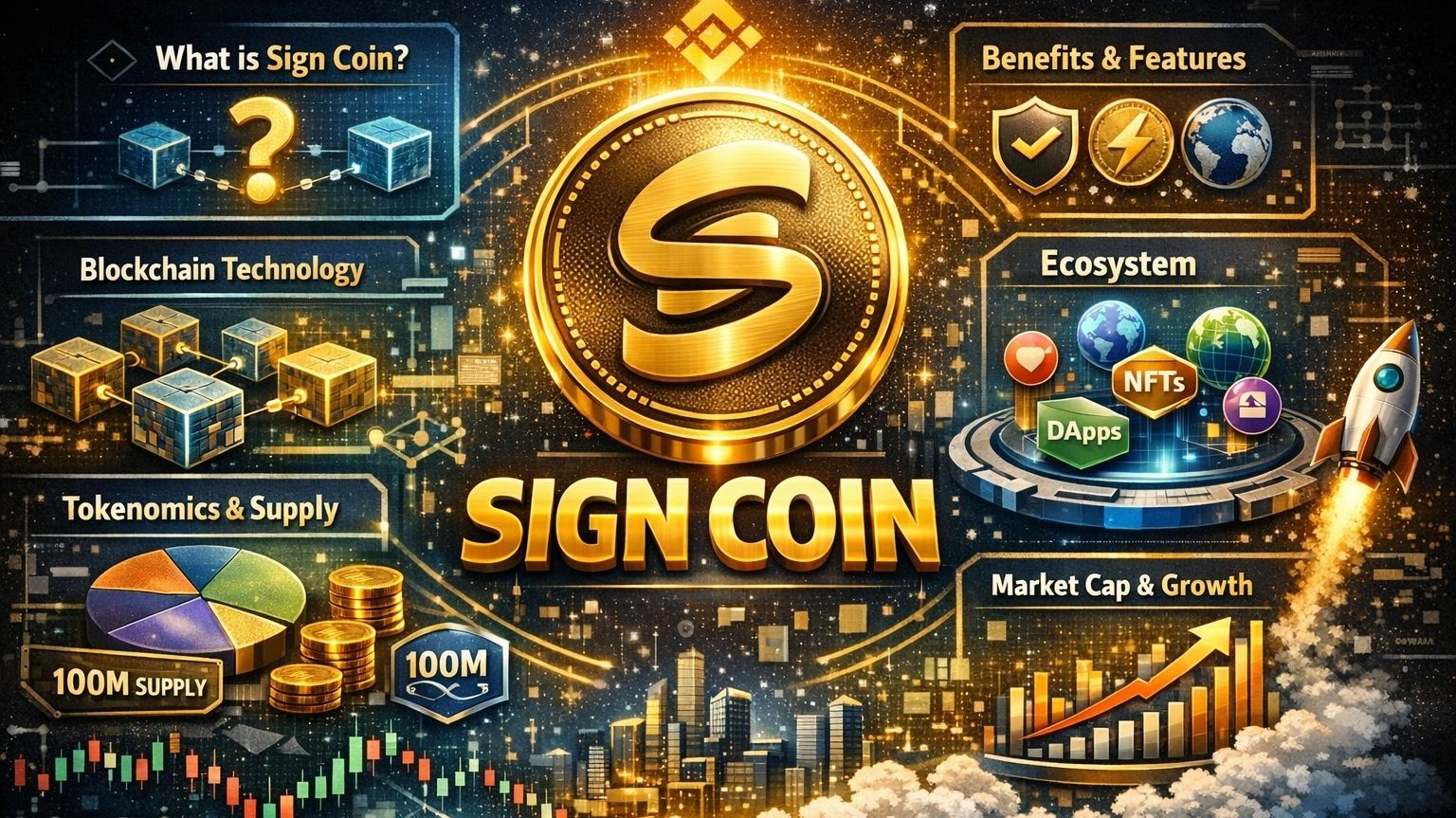

I woke up thinking about something… not clearly, just a quiet thought that stayed with me longer than usual. It felt small at first, almost random, but there was something heavy behind it. It had to do with identity… not the way we describe ourselves, but the way we are seen, verified, and accepted. And the more I sat with it, the more it started to feel like something deeper was changing.
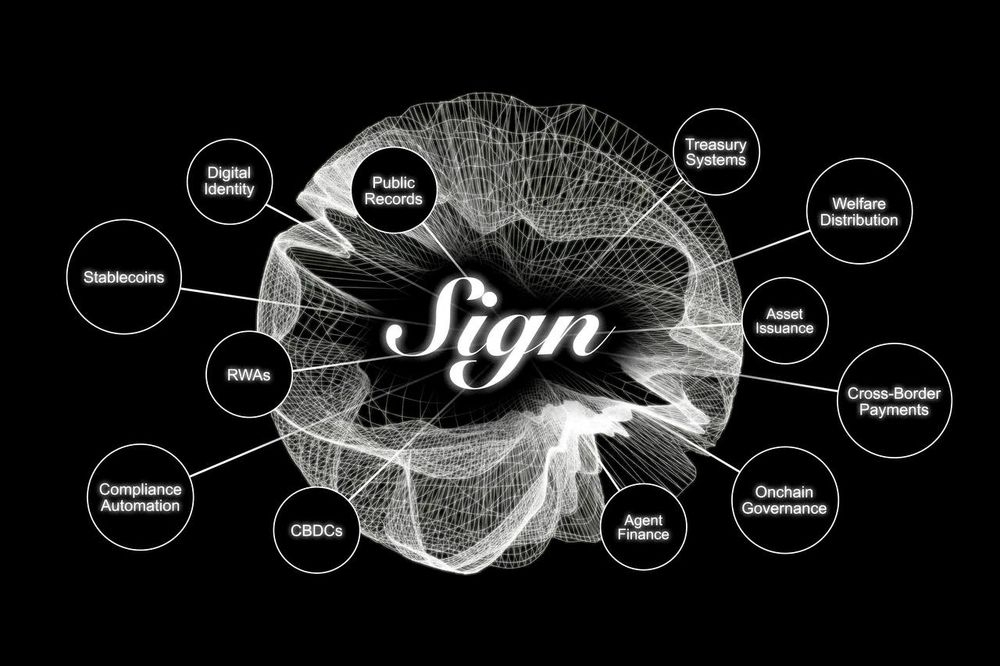
At first, I didn’t question how credentials work. It always felt normal that proof of who we are lives somewhere else. Universities hold our degrees. Platforms hold our achievements. Companies hold our records. We move forward in life carrying things that technically belong to us… but are never really in our control. And somehow, we accepted that without thinking too much.
But then I paused and asked myself something simple… why? Why has proof always been external? Why do we need a system to tell us that something we lived through is real? That question didn’t give me an answer, but it created a kind of discomfort I couldn’t ignore. It made something that felt normal suddenly feel incomplete.
This is where something like SIGN begins to feel different. Not louder, not revolutionary in an obvious way, but quietly disruptive. It suggests that maybe verification doesn’t have to sit inside institutions anymore. Maybe it can exist closer to the individual. And that idea… it doesn’t sound big at first, but it changes the foundation of how we think about trust.
But here is where the feeling becomes complicated. If institutions step back, then what replaces them? Because right now, we trust credentials because we trust the issuer. Remove that layer, and suddenly trust has nowhere obvious to stand. I kept thinking about that… trying to understand where belief shifts when the familiar structure disappears.
Maybe trust moves into the system itself. Into the way things are recorded, verified, and shared. But then again, systems are not perfect. They are built by people, shaped by decisions, limited by design. So the question doesn’t go away… it just becomes quieter. Are we removing trust, or are we placing it somewhere we don’t fully see?
And honestly, this is where things start to feel intense. Because when token distribution enters the picture, everything changes a little more. It is not just about proving something anymore. It is about assigning value to it. Turning actions into something measurable, transferable, almost tradable. And at first, that sounds efficient… even exciting.
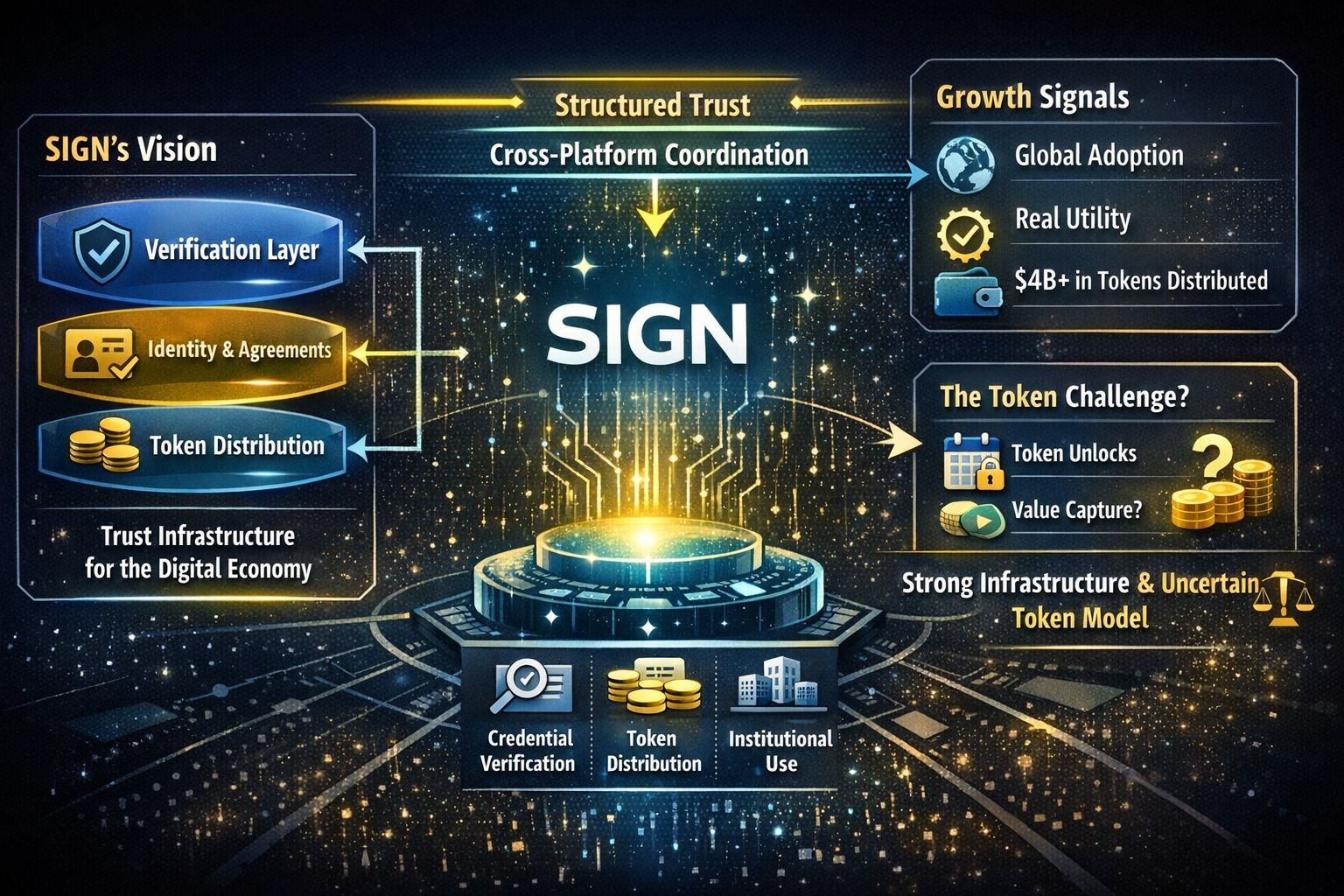
But then I stopped and thought about the parts of life that don’t fit into systems. The quiet effort. The unseen growth. The things we do that matter deeply but don’t produce visible proof. What happens to those? Do they slowly fade in importance because they can’t be measured, or do they remain real but invisible?
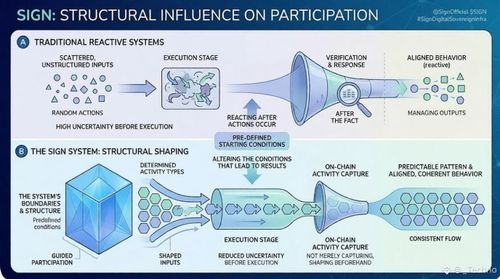
There is something emotional in that realization. Because systems don’t just organize reality… they shape it. They decide what gets counted and what gets ignored. And once something becomes countable, it becomes something people move toward. Not always consciously, but gradually. Behavior starts adapting to what the system recognizes.
And maybe that is where the real shift is happening. Not in the technology itself, but in how it influences human behavior. You start doing what can be verified. You start valuing what can be rewarded. And without realizing it, your sense of identity slowly aligns with what the system can see.
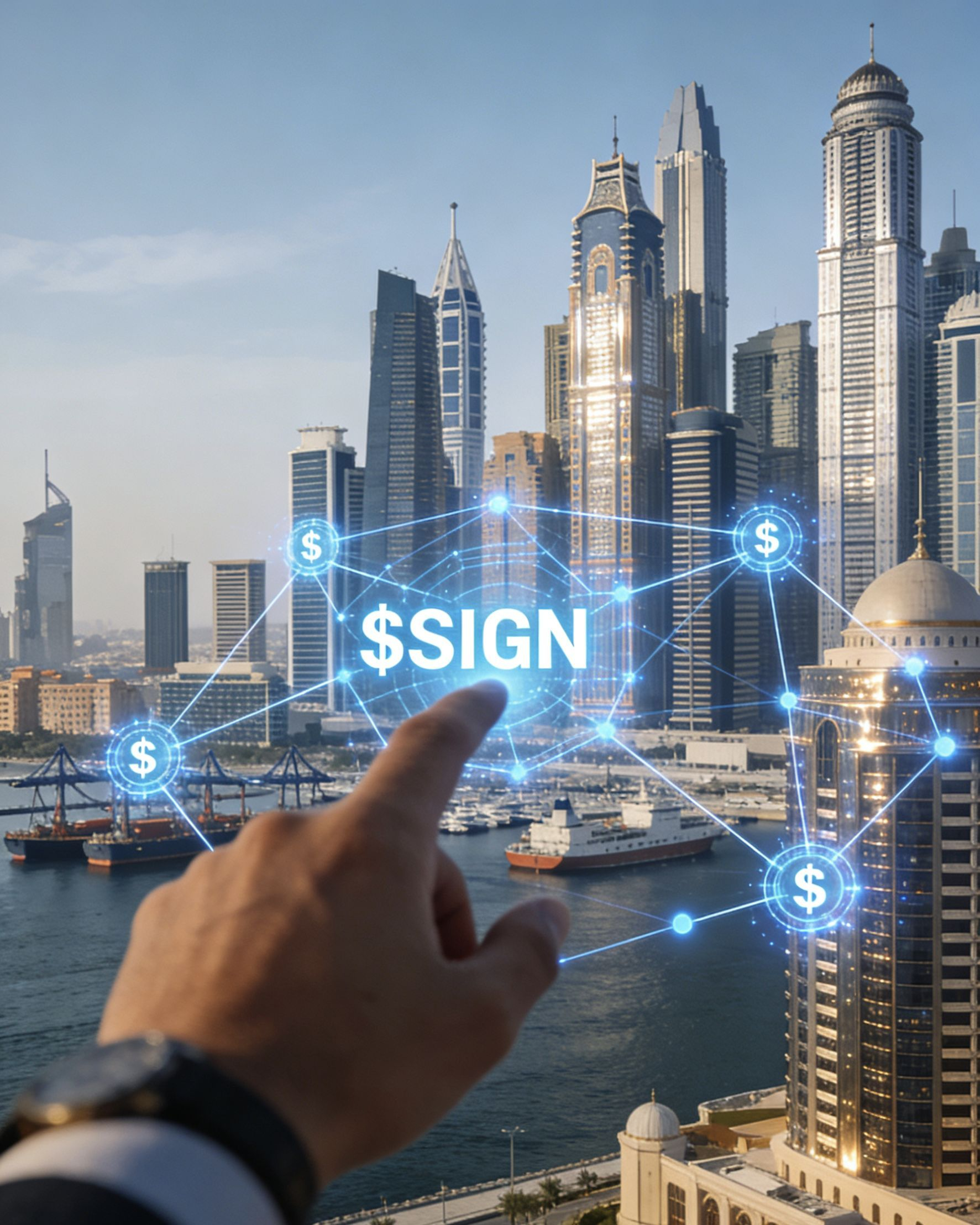
I also kept coming back to the idea of ownership. It sounds powerful… owning your credentials, your proof, your identity. It feels like taking something back that was never fully yours before. But then I asked myself… does holding something mean you truly own it? Or does ownership require deeper understanding and control?
Because if the system is still complex, still distant in its own way, then ownership might feel real without being fully real. It might give the sense of control without complete control itself. And that thought… it sits somewhere between empowering and uncertain.
Part of me feels hopeful about all this. It feels like a step toward something more open, more connected, less dependent on slow and fragmented systems. It feels like a chance to rebuild how identity works from the ground up. And there is something exciting in that possibility.
But another part of me feels cautious. Because we have built systems before that promised clarity and fairness… and over time, they became rigid, controlling, and distant from the people they were meant to serve. And I can’t help but wonder… are we building something new, or just something more advanced?
The more I think about it, the more it feels like we are trying to structure something that was never meant to be fully structured. Identity is fluid, messy, evolving. And turning it into something clean and verifiable might solve some problems… but it might also create new ones we don’t fully understand yet.
I’m still thinking about it… still trying to find where I stand. There is something real here, something that feels like the beginning of a shift. Not loud, not obvious, but quietly significant. And maybe that is why it feels so hard to fully grasp.

I’m not fully convinced yet… but I can’t ignore it either. The idea makes sense in moments, and then feels uncertain again the next. Maybe the truth is not in choosing one side, but in understanding the tension between both.Or maybe… we are just at the beginning of something we don’t yet have the language to fully explain.