
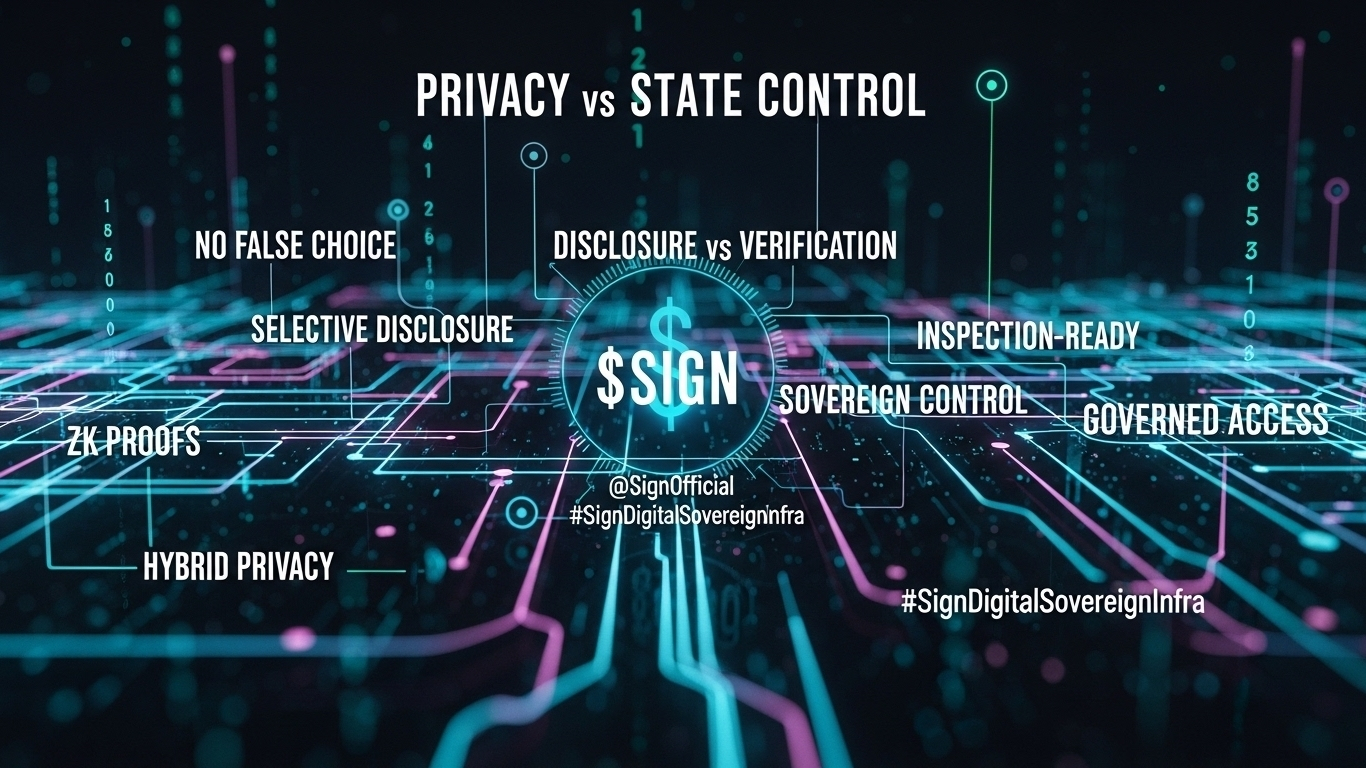
$SIGN i’ve been chewing on this privacy vs. state control thing for a while, and honestly most projects pick a side way too fast. either they go full privacy mode and governments start sweating because nobody can audit anything when something goes wrong. or they go full surveillance mode and suddenly verification just feels like you’re being watched all the time. that tension shows up everywhere , identity, payments, benefits , because that’s where the real sensitive stuff lives.
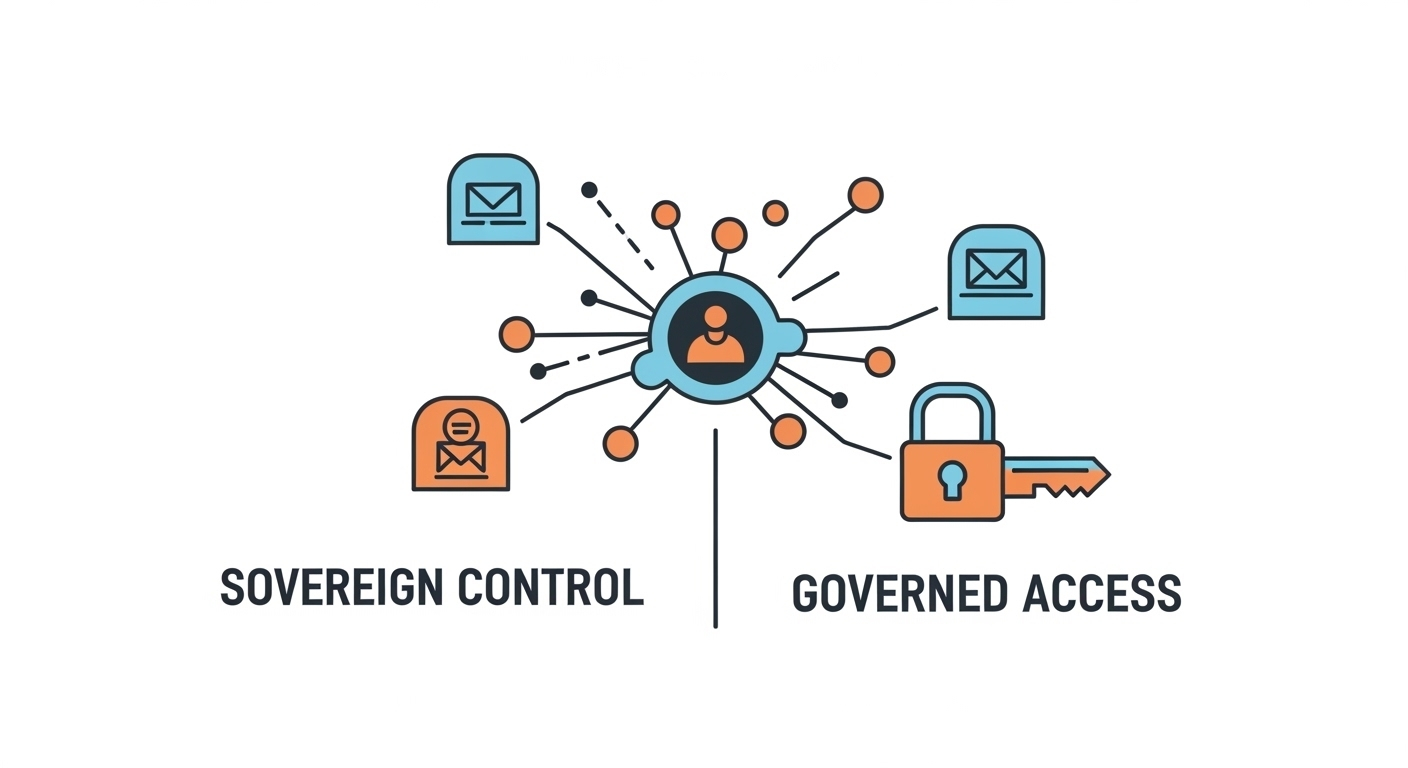
but the more i read through Sign’s docs, the more i realized they’re not pretending the tension disappears. they actually lay it out straight: sovereign infrastructure for money, identity, capital, with privacy by default for sensitive stuff, but also lawful auditability, inspection readiness, and strict control over keys, upgrades, emergency actions. that’s not some consumer app fluff. that’s real systems thinking.
and here’s why i think it actually works. they separate disclosure from verification.
Sign’s New ID framework uses verifiable credentials, DIDs, selective disclosure, zero-knowledge style proofs, revocation checks, offline presentation. plain english: you don’t query a central database every time you need to know something about someone. instead, you prove the specific claim that matters , eligibility, compliance status, identity attribute , without exposing everything else. that’s how privacy stays alive.
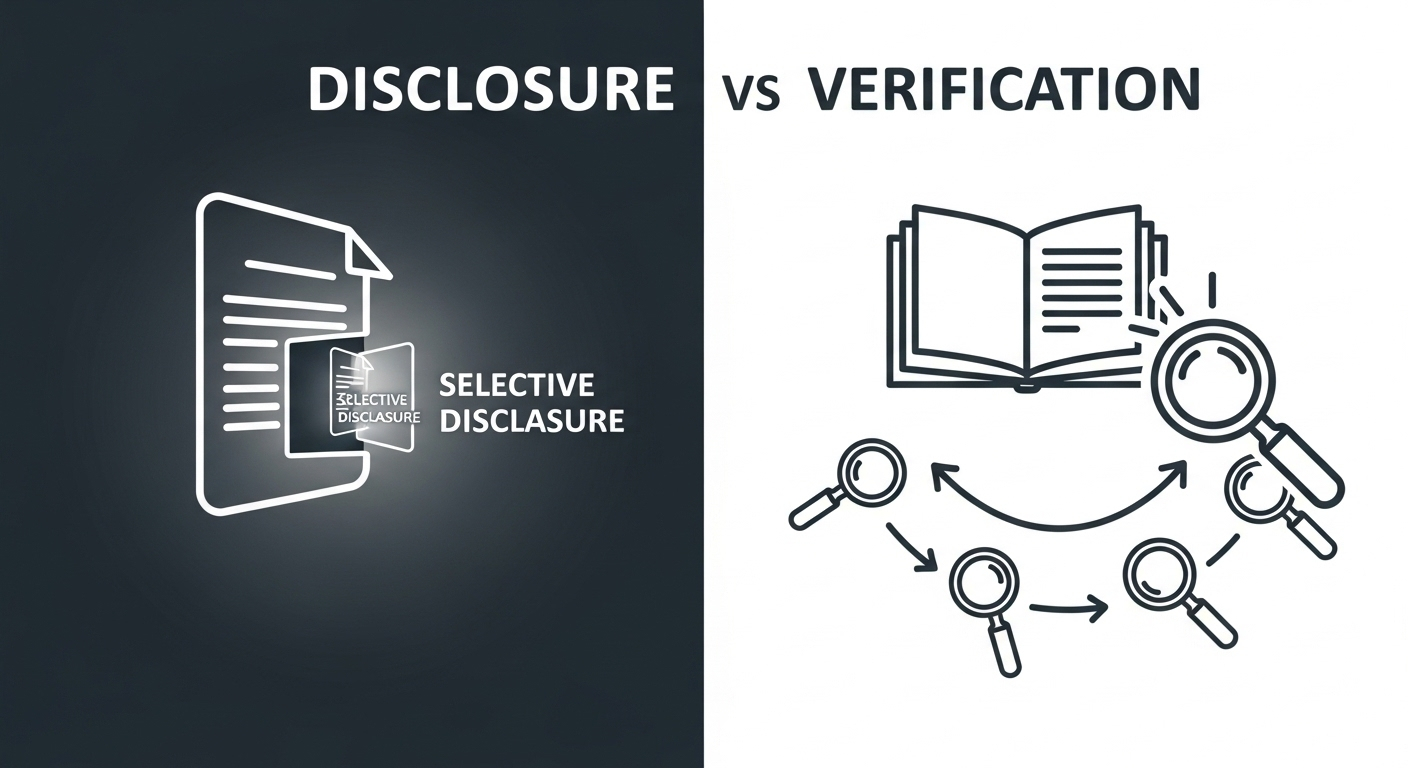
but Sign doesn’t stop there, and this is the part people miss. they also require inspection‑ready evidence. not ceremonial proof. actual evidence that can answer who approved what, under which authority, when, what ruleset version, and what backs the claim. that role goes to Sign Protocol as the evidence layer, using schemas and attestations that can be public, private, hybrid, or ZK‑based.
that design choice matters more than the buzzwords.
privacy‑preserving verification only becomes compatible with sovereign control if the government side doesn’t need full raw visibility into everything all the time. instead, they need governed access to evidence, audit references, policy controls, and operational authority over the system itself. Sign’s docs are very clear here. private mode for confidentiality‑first programs, but governance still enforced through permissioning and audit policies. hybrid mode mixes public verification with private execution. public mode for transparency‑first cases. so it’s not “everything hidden” or everything visible. it’s disclosure by context, under governance.
that’s the real institutional pivot.
sovereign control here isn’t defined as permanent omniscience. it’s defined as control over rules, operators, access policy, emergency measures, interoperability assumptions, and audit rights. the docs even say policy and oversight remain under sovereign governance while the technical substrate stays verifiable. that line tells you exactly what they’re solving. governments don’t need to personally inspect every private payload in normal operation. they need to remain able to govern the rails, accredit issuers, enforce revocation, define trust boundaries, and inspect where law and policy require it.
that’s a different architecture from the usual blockchain fantasy.
usually the fantasy goes two ways. “privacy fixes everything” ignores operational accountability. or public transparency fixes everything ignores how states actually handle citizen data. Sign sits in the uncomfortable middle where credentials can be selectively presented, attestations can be private or hybrid, sensitive execution can happen on confidentiality‑first rails, while supervisors still retain reporting visibility, rule enforcement, and lawful inspection pathways. in the money stack, for example, they describe a dual‑path approach: privacy‑sensitive permissioned CBDC flows on one side, transparent regulated stablecoin paths on the other, both under one infrastructure with policy‑grade controls.
what i like about this is that it treats verification as something narrower than raw disclosure. you don’t need to expose an entire identity file to prove program eligibility. you don’t need to make every domestic payment publicly readable to preserve auditability. you don’t need to collapse privacy just to preserve state authority. you need a system where claims are structured, signed, attributable, revocable, queryable, and linked to the authority and rules that produced them. that’s basically Sign Protocol: standardize facts, bind them cryptographically, support selective disclosure, and still keep immutable audit references across systems.
my only hesitation and it’s not about the logic, because the logic is solid is where the boundary of “lawful auditability” ends up in real deployments. docs always sound clean. practice depends on governance quality, operator incentives, trust registries, access policies, emergency procedures, and political restraint. the architecture can make privacy‑preserving verification compatible with sovereign control. it can’t guarantee that sovereign control will always be exercised well. that part still has to be earned.
still, as a design direction, $SIGN is aiming at the right problem. it doesn’t confuse privacy with invisibility or control with universal exposure. it treats privacy as selective provability, and control as governed authority over the system not constant access to every underlying detail. that’s a much more serious answer to institutional reality than most crypto systems offer.
and maybe that’s why this stack keeps pulling my attention back. it understands that sovereign systems don’t just need trustless execution. they need a way to verify enough, reveal only what’s necessary, and still keep the state legibly in charge when the stakes are real.