
There is a quiet shift happening across the internet and if you are paying attention you can feel it. For years we have lived in a digital world where convenience came first and ownership came second. People signed up to platforms shared their data and trusted companies to manage everything behind the scenes. It worked for a while but it also created a system where users had very little control over their own identity. Now that awareness is growing and people are starting to question that model. They want control they want privacy and they want real ownership. This is where digital sovereignty becomes more than just a concept and starts to feel like a necessity. This is also where Sign is stepping in with a vision that feels aligned with the direction the internet is heading.
Sign is not trying to follow trends it is trying to fix a core problem. The internet was never designed with user ownership in mind and over time that gap has only grown wider. Centralized platforms became the default solution for identity management but they also became the gatekeepers of data. Sign is taking a different approach by building infrastructure that allows individuals to own and manage their digital identity directly. This shift removes the need to trust a single authority and replaces it with systems that are transparent and user controlled.
The SIGN ecosystem is built to make this idea practical not just theoretical. It creates a decentralized environment where identity assets and interactions can exist securely. Users can verify themselves share information and interact with platforms without exposing unnecessary data. This creates a balance between privacy and usability that traditional systems have struggled to achieve. Instead of giving everything away just to access a service users can now control exactly what they share and when they share it.
Identity is one of the most critical parts of the digital experience and also one of the most fragile. Today identity is scattered across multiple platforms and services. People create accounts on different apps and websites and repeatedly share personal information. This increases the risk of data breaches misuse and loss of privacy. Sign addresses this problem by offering a unified approach to identity management. It allows users to prove who they are without revealing more than necessary which makes the entire experience safer and more efficient.
This approach has real world implications across multiple industries. In finance identity verification is essential but often requires sharing sensitive information. With Sign users can participate in decentralized financial systems while maintaining control over their data. In social platforms identity ownership can help reduce fake accounts and improve trust without compromising privacy. In enterprise environments secure identity management can streamline operations and reduce reliance on outdated centralized systems.
Another powerful aspect of Sign is how it enables trust without intermediaries. Traditional systems rely heavily on centralized institutions to verify information and manage interactions. While effective this model introduces points of control and potential failure. Sign uses decentralized technology to establish trust through verifiable data and secure validation processes. This allows users to interact directly with each other without depending on a central authority which creates a more resilient and transparent system.
The growth of the SIGN ecosystem reflects a broader change in user behavior. People are becoming more aware of how their data is used and they are demanding systems that respect their rights. Sign aligns with this shift by offering a framework where users are not just participants but true owners of their digital identity. This change is important because it moves the internet toward a more balanced and user focused model where individuals have a stronger voice.
For developers Sign opens the door to a new way of building applications. Instead of designing systems that collect and store user data developers can create solutions where individuals manage their own information. This leads to applications that are more secure and less vulnerable to breaches. It also encourages innovation because developers are no longer limited by the constraints of centralized architectures. They can explore new ideas and create experiences that prioritize user control from the start.
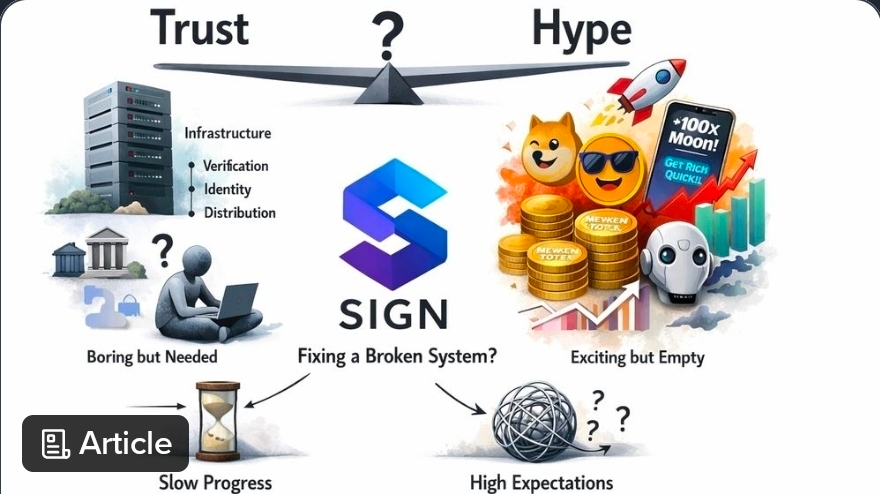
The community around Sign is also an important part of its growth. Builders creators and users are coming together with a shared vision of digital sovereignty and long term value. The focus is not on short term hype but on creating real solutions that can be used in everyday life. This collaborative environment helps drive progress and ensures that the project continues to evolve in a meaningful way.
As Web3 continues to develop projects that solve fundamental problems will stand out the most. Digital sovereignty is one of those problems because it touches every aspect of online interaction. From identity and finance to communication and governance the need for user control is becoming increasingly important. Sign is positioning itself at the center of this transformation by building infrastructure that supports this new way of thinking.
The SIGN token represents participation in this growing ecosystem. It connects individuals who believe in a more decentralized and user controlled internet. It is not just about transferring value but about contributing to a system that prioritizes ownership independence and security. This perspective shifts the focus from short term speculation to long term impact which is essential for sustainable growth.
Looking ahead the potential impact of Sign is significant. As more platforms adopt decentralized identity solutions the reliance on traditional systems may begin to decline. Users will gain greater control over their data and interactions creating a more balanced digital environment. This transition will take time but the direction is clear and the foundation is already being built.
There is also a cultural shift taking place alongside this technological change. As awareness around data privacy continues to grow people are changing their expectations. They want platforms that respect their privacy and provide transparency in how information is handled. Sign fits naturally into this evolving mindset by offering a solution that aligns with these values and addresses real concerns.
The journey toward digital sovereignty is still in its early stages but the momentum is undeniable. Users want control developers want better tools and the industry is searching for solutions that can support long term growth. Sign brings these elements together in a way that feels both practical and forward looking.
In the end Sign represents more than just a project. It represents a shift in how we think about ownership identity and trust in the digital world. It challenges the existing model and offers a new perspective where users are in control of their own digital presence. As this vision continues to grow Sign is likely to play a key role in shaping the future of Web3 and building a more secure and balanced internet for everyone @SignOfficial #SignDigitalSovereignInfra $SIGN