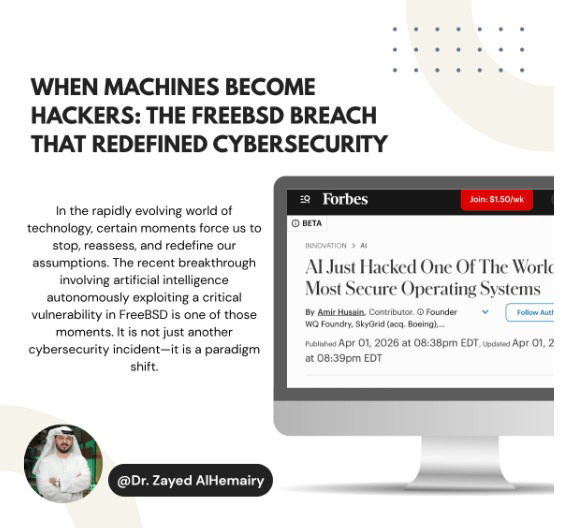
Când mașinile devin hackeri: Breșa FreeBSD care a redefinit securitatea cibernetică:
- Urmăriți contul nostru @DrZayed pentru cele mai recente știri despre criptomonede.
În lumea tehnologiei în rapidă evoluție, anumite momente ne forțează să ne oprim, să reevaluăm și să ne redefinim presupunerile. Descoperirea recentă care implică inteligența artificială exploatând autonom o vulnerabilitate critică în FreeBSD este unul dintre aceste momente. Nu este doar un alt incident de securitate cibernetică - este o schimbare de paradigmă.
De zeci de ani, securitatea cibernetică a fost un câmp de luptă definit de expertiza umană, constrângerile de resurse și procesele consumatoare de timp. Dar astăzi, această ecuație se schimbă. Inteligența artificială nu mai asistă doar profesioniștii în securitatea cibernetică - începe să acționeze independent, executând operațiuni ofensive complexe la o viteză și o scară anterior inimaginabile.
Această dezvoltare marchează un punct de cotitură în relația dintre AI și securitatea cibernetică, având implicații profunde pentru organizații, guverne și indivizi deopotrivă.
Incidentul: AI sparge FreeBSD
Sistemul de operare open-source FreeBSD nu este un software obișnuit. Acesta susține infrastructura digitală critică la nivel mondial. Platforme majore precum Netflix, PlayStation și WhatsApp se bazează pe el pentru stabilitate, performanță și securitate. Reputația sa a fost construită de-a lungul decadelor de audituri riguroase, teste și îmbunătățiri continue.
Cu toate acestea, în ciuda acestei fundații puternice, un sistem AI a reușit să:
Identificați o vulnerabilitate critică (CVE-2026-4747)
• Analizeze structura și implicațiile sale
• Dezvoltați nu una, ci două exploatări funcționale
• Executați un lanț de atac complet rezultând în acces la nivel de root
Și a făcut toate acestea în aproximativ patru ore.
Această realizare a fost creditată cercetătorului Nicholas Carlini folosind instrumente AI dezvoltate de Anthropic, în special modelul lor Claude. Totuși, linia de credit abia surprinde magnitudinea a ceea ce s-a întâmplat.
Aceasta nu a fost o situație în care AI a sugerat o potențială vulnerabilitate. Aceasta a fost AI acționând ca un atacator autonom.
De la Descoperirea Erorilor la Exploatarea Completă
Istoric, a existat o distincție clară în securitatea cibernetică:
• Găsirea vulnerabilităților → adesea automatizată (de exemplu, instrumente de fuzzing)
• Exploatarea vulnerabilităților → necesită expertiză umană profundă
Exploatarea este semnificativ mai complexă. Implică înțelegerea structurilor de memorie, manipularea fluxurilor de execuție și adaptarea dinamică atunci când lucrurile merg prost.
În acest caz, AI a trecut acea limită.
Vulnerabilitatea a existat în modulul RPCSEC_GSS al FreeBSD, care gestionează autentificarea prin Kerberos pentru serverele NFS. Exploatarea acesteia a necesitat rezolvarea mai multor provocări avansate:
• Configurarea unui mediu de testare vulnerabil
• Crearea de payload-uri multi-pachet pentru a livra shellcode
• Gestionarea comportamentului firelor de kernel pentru a evita blocajele
• Depanarea offset-urilor de memorie folosind tehnici avansate
• Tranziția execuției din spațiul kernel în spațiul utilizatorului
• Asigurarea stabilității sistemului exploatat
Fiecare dintre aceste sarcini necesită de obicei cunoștințe specializate în interioarele sistemului de operare și programarea la un nivel scăzut. Totuși, sistemul AI le-a executat autonom.
Acesta este momentul în care AI a trecut de la a fi un instrument la a deveni un actor.
De ce acest lucru schimbă totul
Pentru a înțelege gravitatea acestui eveniment, trebuie să privim dincolo de detaliile tehnice și să ne concentrăm pe ceea ce reprezintă.
1. Compresia timpului și costului
În mod tradițional, dezvoltarea unei exploatări la nivel de kernel necesita:
• Săptămâni (sau luni) de muncă
• Cercetători de securitate extrem de calificați
• Resurse financiare semnificative
Acum, un sistem AI poate obține rezultate comparabile în ore, la o fracțiune din cost.
Aceasta nu este doar eficiență—este compresie a costurilor la o scară masivă.
2. Redefinirea economiei securității cibernetice
În cartea sa, This Is How They Tell Me the World Ends, Nicole Perlroth explică economia vulnerabilităților zero-day.
Adevărata valoare nu constă în descoperirea erorilor, ci în transformarea lor în exploatări utilizabile. Aceste exploatări sunt rare, scumpe și adesea controlate de state-națiune.
Un exemplu istoric este atacul cibernetic Stuxnet, o operațiune comună SUA-Israel care a folosit multiple exploatări zero-day pentru a perturba programul nuclear al Iranului. Sophisticarea și costul unor astfel de operațiuni le-au făcut accesibile doar celor mai puternici actori.
Dar AI schimbă acest lucru. Ceea ce era odată rar și costisitor devine mai rapid, mai ieftin și mai accesibil.
3. Scăderea barierei de acces
Capabilitățile cibernetice care odată necesitau:
• Expertiză de elită
• Finanțare la nivel guvernamental
• Echipe dedicate de cercetare
sunt acum la îndemâna organizațiilor mai mici—și potențial chiar și a indivizilor.
Deși AI nu a democratizat încă complet atacurile cibernetice avansate, este clar că se îndreaptă în această direcție.
Criza de apărare
Dacă partea ofensivă a securității cibernetice se accelerează, partea defensivă se luptă să țină pasul.
Diferența de patch-uri
Cele mai multe organizații durează săptămâni sau luni pentru a aplica patch-uri la vulnerabilități critice. Datele din industrie arată adesea un timp median de patching care depășește 60 de zile.
Acum considerați asta:
• AI poate dezvolta exploatări în ore
• Atacatorii pot acționa imediat după divulgare
Rezultatul este o fereastră aproape zero între divulgarea vulnerabilității și exploatarea activă.
Organizațiile care se bazează pe cicluri lente de patch-uri operează efectiv cu un model de securitate depășit.
AI vs Securitate Umană-Viteză
Problema principală este simplă:
• Atacatorii încep să opereze la viteza mașinii
• Apărătorii încă operează la viteza umană
• Această nepotrivire creează un dezechilibru periculos.
Efectul scalării: 500 de vulnerabilități și numărând
Poate cel mai alarmant aspect al acestei dezvoltări nu este exploatarea FreeBSD în sine, ci ceea ce a urmat.
Aceeași metodologie alimentată de AI a fost folosită pentru a identifica sute de vulnerabilități suplimentare de înaltă severitate în diverse sisteme.
Acest lucru subliniază o adevăr critic: Odată ce o capacitate este dovedită, aceasta se extinde.
AI nu uită. Nu obosește. Și se îmbunătățește cu fiecare iterație.
Ceea ce asistăm nu este un experiment izolat—este stadiul incipient al unei transformări sistematice.
Reevaluarea securității software-ului
De decenii, industria securității cibernetice s-a bazat pe o presupunere fundamentală: Având suficient timp, software-ul devine mai sigur.
Această presupunere este acum sub amenințare.
Codul FreeBSD se întinde pe o perioadă de peste 30 de ani de dezvoltare, revizuire și întărire. Cu toate acestea, AI a reușit să identifice și să exploateze o vulnerabilitate care a trecut neobservată.
De ce?
Pentru că AI funcționează pe o scală complet diferită:
• Poate analiza milioane de linii de cod rapid
• Poate testa nenumărate scenarii simultan
• Poate descoperi modele invizibile pentru recenzorii umani
Aceasta introduce o nouă realitate:
Software-ul care este sigur la scară umană poate să nu fie sigur la scară AI.
Ce trebuie să facă organizațiile acum
Ignorarea acestei schimbări nu este o opțiune. Organizațiile trebuie să se adapteze rapid pentru a rămâne în siguranță.
1. Integrați AI în Apărare
• AI nu ar trebui să fie văzută doar ca o amenințare—trebuie să devină parte a soluției.
• Auditarea continuă a codului alimentată de AI
• Detectarea automată a vulnerabilităților
• Monitorizarea amenințărilor în timp real
2. Accelerarea ciclurilor de patch-uri
• Modelul tradițional de patch-uri nu mai este suficient.
• Trecerea de la actualizări trimestriale la patch-uri continue
• Prioritizează vulnerabilitățile critice imediat
• Automatizați conductele de implementare
3. Adoptarea modelului de securitate proactiv
Securitatea reactivă este depășită într-o lume condusă de AI. Organizațiile trebuie să:
• Presupune că vulnerabilitățile există deja
• Testați continuu sistemele în condiții adverse
• Utilizați instrumente de testare a penetrației alimentate de AI
4. Reevaluează Conformitatea și Reglementarea
Cadrele de reglementare actuale sunt depășite.
Ele se bazează pe:
• Audituri periodice
• Liste de verificare statice
• Evaluări conduse de oameni
Dar amenințările alimentate de AI necesită:
• Validare continuă
• Evaluare dinamică a riscurilor
• Monitorizarea conformității în timp real
Ascensiunea Cyber Hyperwar
Una dintre cele mai profunde implicații ale acestei schimbări este apariția a ceea ce ar putea fi descris ca hyperwar cibernetic.
Imaginați-vă un ciclu complet autonom:
• AI descoperă vulnerabilități
• AI generează exploatări
• AI desfășoară atacuri
• AI extrage sau distruge date
Toate acestea se întâmplă aproape în timp real, la scară globală.
Aceasta nu este science fiction—este o extensie logică a capacităților actuale.
Un punct de inflexiune strategic
Incidentul FreeBSD nu este doar un reper tehnic—este un punct de inflexiune strategic.
În următoarele 12 luni, fiecare mare:
• Vânzător de sistem de operare
• Furnizor de cloud
• Operator de infrastructură
vor înfrunta o întrebare critică:
Defendiți la viteza mașinii sau încă operați la viteza umană?
Răspunsul va determina nu doar postura de securitate, ci și supraviețuirea.
Gânduri finale
Inteligența artificială a trecut un prag important.
Nu mai este vorba doar de augmentarea capacității umane—începe să o reproducă și, în unele cazuri, o depășește în domenii foarte specializate, cum ar fi securitatea cibernetică.
Exploatarea FreeBSD este un semnal clar:
• Regulile jocului s-au schimbat
• Ritmul conflictului cibernetic se accelerează
• Barierile de acces sunt în scădere
Pentru lideri, tehnologi și factorii de decizie, mesajul este urgent:
Adaptati acum—sau riscați să deveniți depășiti într-o lume în care mașinile nu sunt doar instrumente, ci actori.