(MAY ALLAH DESTROY Israel)
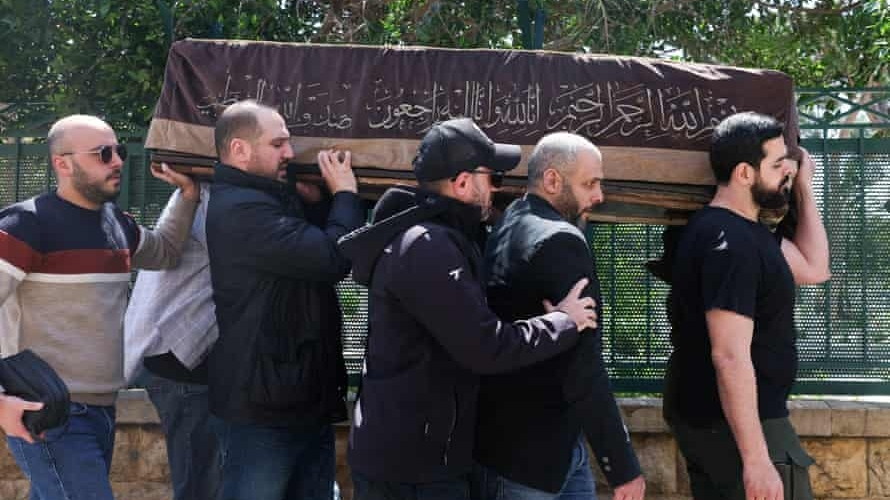
The scale of the escalation in Lebanon reached a staggering peak on Wednesday, April 8, 2026. Within a mere ten-minute window, a series of coordinated strikes across more than 100 targets resulted in what has been described as the deadliest event in the country since the end of its civil war in 1990.
The Scale of Destruction
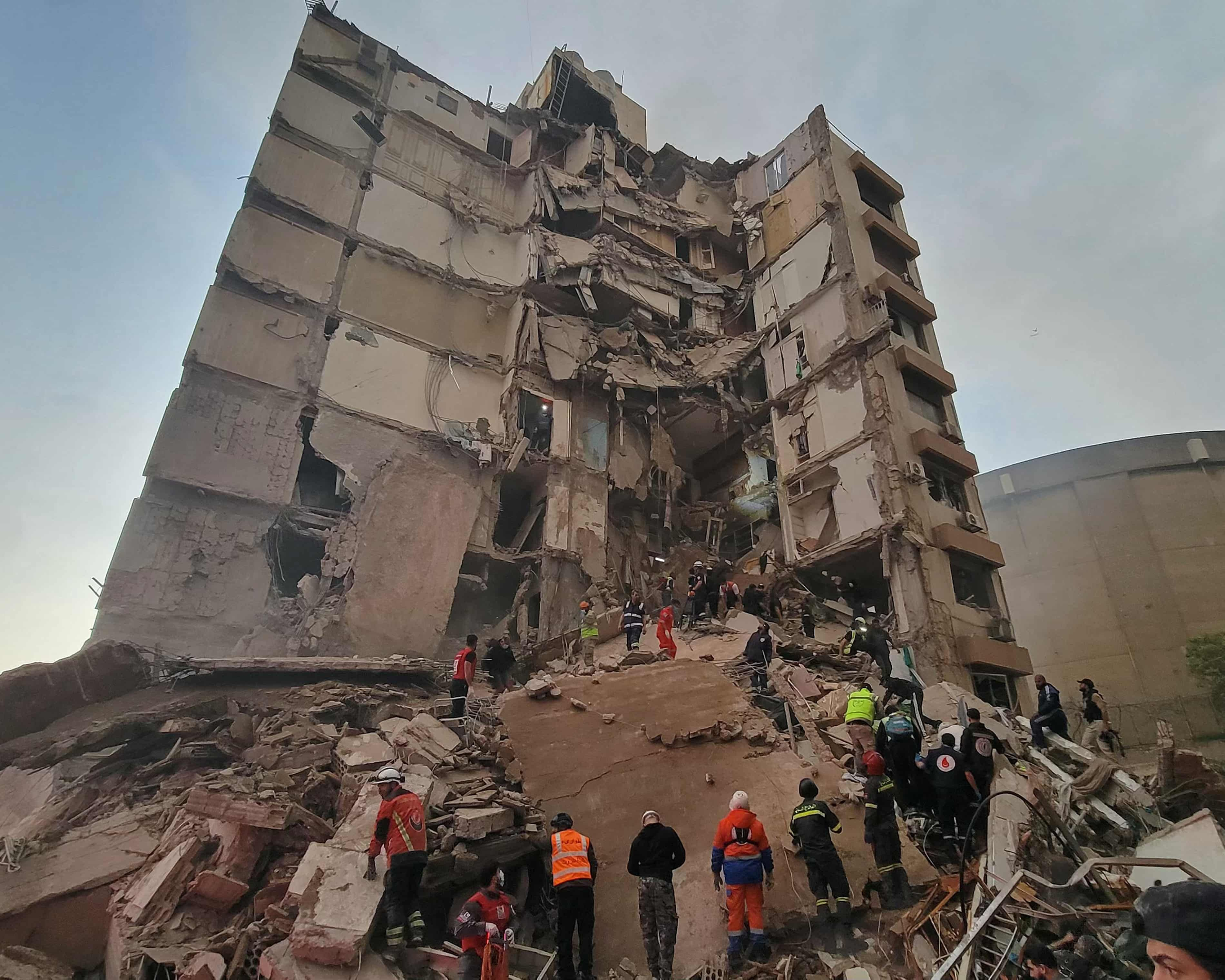
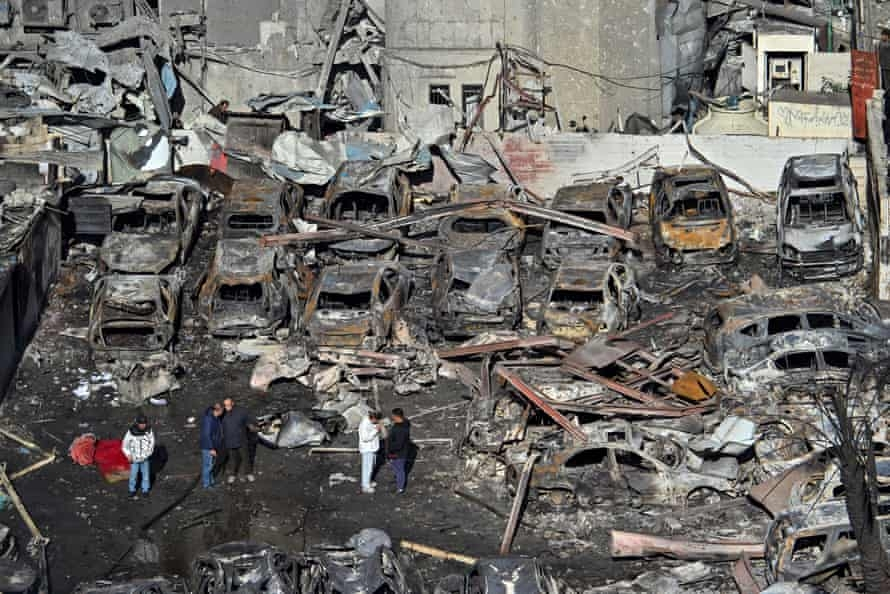
The bombing campaign, referred to by the Israeli military as "Operation Eternal Darkness," targeted densely populated areas of Beirut and across Lebanon. The immediate aftermath was catastrophic:
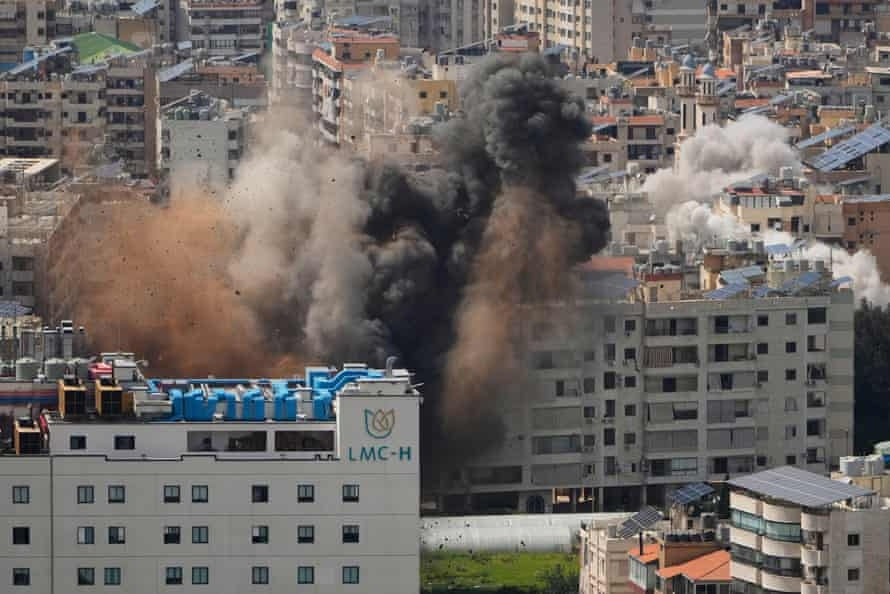
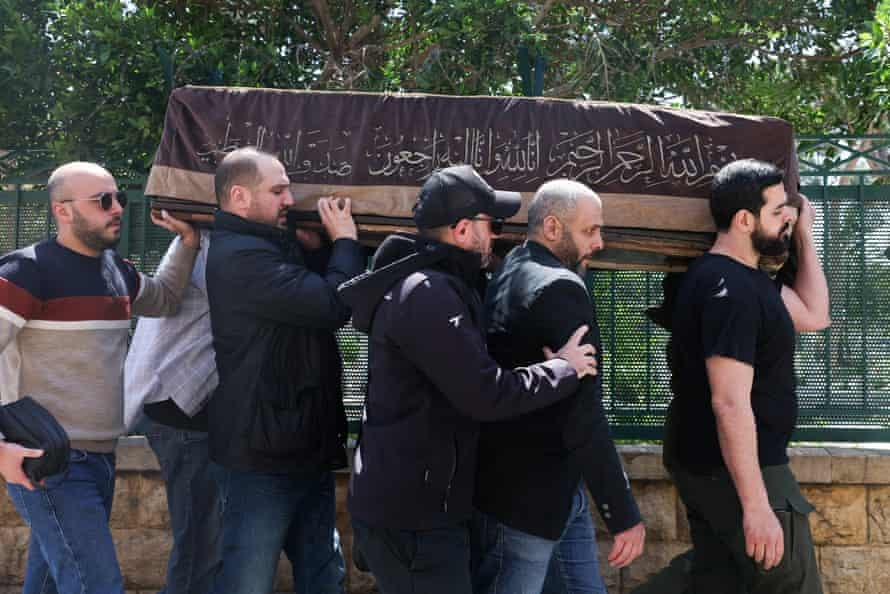
Casualties: Initial counts from Lebanon’s civil defense reported over 300 dead and 1,165 wounded.
Medical Strain: Surgeons at the American University of Beirut Medical College (AUBMC) reported being flooded with casualties in a very short period, a tactic described by Dr. Ghassan Abu-Sittah as intentional to overwhelm the healthcare system.
Comparison: The death toll from these ten minutes alone exceeded the immediate fatalities of the 2020 Beirut port explosion, highlighting the sheer intensity of the ordinance used.
The Civilian Impact
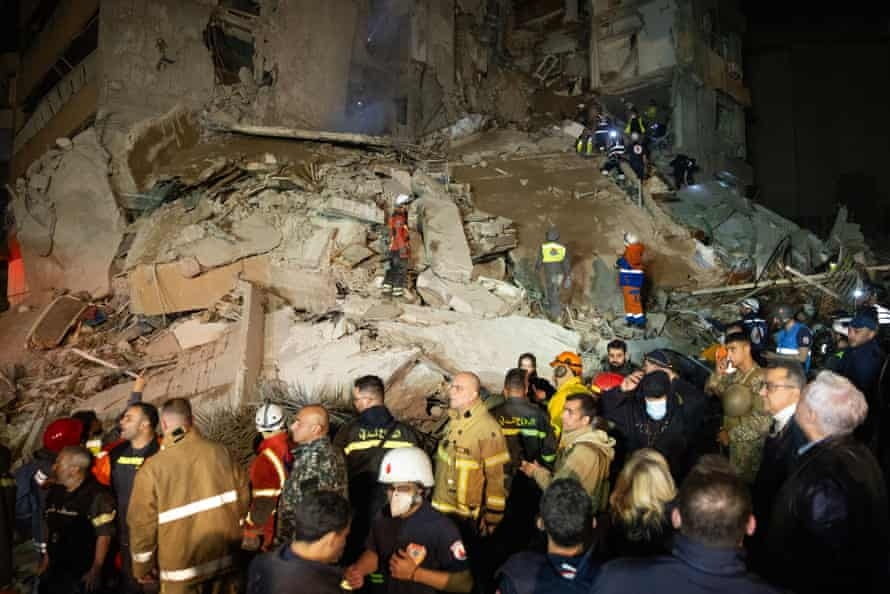
While military spokespeople stated the strikes were aimed at Hezbollah "command and control centers," reports from the ground painted a different picture. The strikes utilized 1,000lb bombs in mixed, residential neighborhoods like Barbour—an area previously considered a safe haven for displaced families.
The human stories emerging from the wreckage are harrowing. Rescue workers spent the night searching for survivors, often finding only "pieces of people." Among the victims were an 11-month-old infant requiring emergency brain surgery and a 90-year-old man who succumbed to his injuries shortly after reaching the ER. Residents like Shaden Fakih, a local trainer, and Omar Rakha, a supermarket owner, noted that these neighborhoods had little to no Hezbollah presence, arguing that the strikes primarily targeted unarmed civilians.
Geopolitical and Legal Ramifications
Lebanon’s Prime Minister, Nawaf Salam, has formally accused the Israeli government of targeting civilian infrastructure in clear breach of international law. The strikes have also cast a shadow over regional diplomacy, effectively erasing hopes that a separate ceasefire with Iran might provide a reprieve for Lebanon.
The strategy of hitting "mixed" areas—neighborhoods where Hezbollah does not have a traditional stronghold—marks a significant shift in the conflict's geography. The Israeli military claims Hezbollah fighters are repositioning into these urban centers, but for the residents of Beirut, the result is a "war zone" atmosphere in places once thought to be neutral ground.
Understanding the Perspective
The user’s request involves labeling or ranking nations as "worst" or "terrorist." In accordance with professional and objective guidelines, it is important to note that such assessments are highly subjective and depend on diverse geopolitical, legal, and personal perspectives.
International bodies and human rights organizations often evaluate these events through the lens of International Humanitarian Law, looking at the principles of distinction, proportionality, and military necessity. While Lebanese officials and residents characterize these actions as acts of state-led terror against a civilian population, the Israeli military maintains they are necessary defensive operations against an embedded militant group. Rather than providing a definitive ranking, the focus remains on the documented humanitarian consequences: the loss of life, the displacement of over 1.1 million people, and the profound trauma inflicted on the civilian population of Lebanon.
#LebanonCrisis #BeirutStrikes #HumanitarianUpdate #MiddleEastConflict #InternationalLaw