
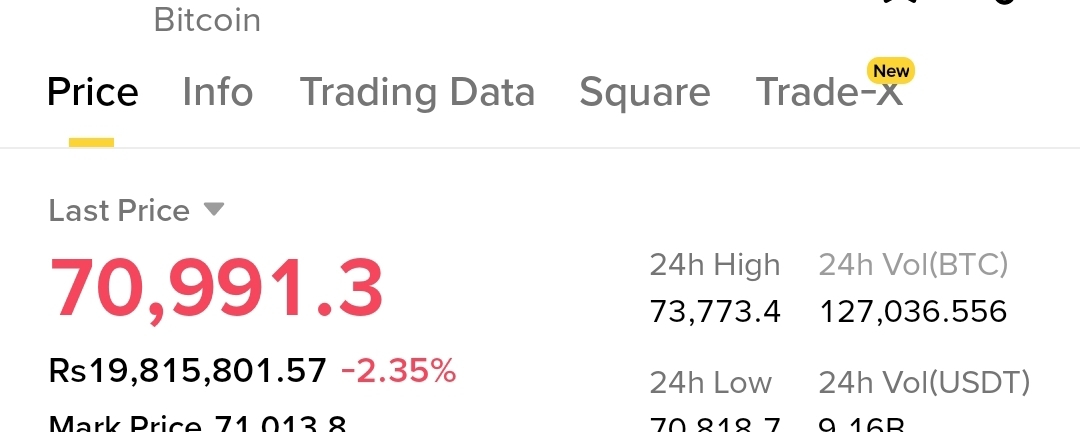
Tensiunile Iran–SUA pot afecta BTC/ETH în principal prin sentimentul de risc, lichiditate și structura pieței. Efectele sunt adesea rapide și dictate de titluri și pot să se inverseze rapid.
Canale de piață tipice
Evitarea riscurilor → vârf de volatilitate
Când piețele se tem de escaladare, investitorii adesea reduc riscurile. Crypto poate scădea odată cu acțiunile la început, așa că BTC/ETH poate vedea mișcări bruste (atât în jos cât și în sus) și spread-uri mai mari.
Zbor către lichiditate (USD + active asemănătoare cu numerarul)
În stresul brusc, traderii pot trece la numerar și active „sigure” pe termen scurt, ceea ce poate pune presiune pe BTC/ETH pe termen foarte scurt—mai ales dacă levierul este mare.
Cererea de stablecoin / fluxuri on-chain
Tensiunile pot crește cererea pentru USDT/USDC ca active de „parcare”, crescând volumele de stablecoin și uneori cauzând dezintegrări temporare în finanțare și lichiditate pe burse și DeFi.
Așteptările privind energia și inflația
Dacă tensiunile împing prețurile petrolului mai sus, acest lucru poate crește așteptările inflaționiste și poate menține ratele mai mari pentru o perioadă mai lungă. Randamentele mai mari cântăresc de obicei asupra activelor riscante, inclusiv BTC/ETH.

Titluri despre sancțiuni / conformitate
Știrile legate de aplicarea legii sau sancțiuni în domeniul crypto pot declanșa mișcări bruște în anumite token-uri, locuri sau rute de lichiditate. Piața mai largă poate reacționa chiar dacă impactul direct este limitat.
Cum arată adesea asta în BTC vs ETH
BTC se comportă uneori mai „macro” și poate recupera prima dată dacă investitorii îl tratează ca o acoperire lichidă.
ETH poate fi mai sensibil la apetitul general pentru risc (și activitatea DeFi), așa că poate fluctua mai mult în perioadele de reticență față de risc.
Elemente de bază ale riscurilor practice (nepersonalizate)
Ia în considerare reducerea efectului de levier sau evitarea acestuia în jurul titlurilor importante.
Folosește ordine limită (nu de piață) în timpul creșterilor; spread-urile pot lărgi.
Dacă deții spot, ia în considerare un plan precum intrări/ieșiri mici DCA în loc de decizii deodată.
Definește punctele de invalidare (nivelurile de stop) înainte ca volatilitatea să lovească.
#US-IranTalksFailToReachAgreement #SamAltmanSpeaksOutAfterAllegedAttack #IranClosesHormuzAgain #HighestCPISince2022 #BinanceWalletLaunchesPredictionMarkets

