
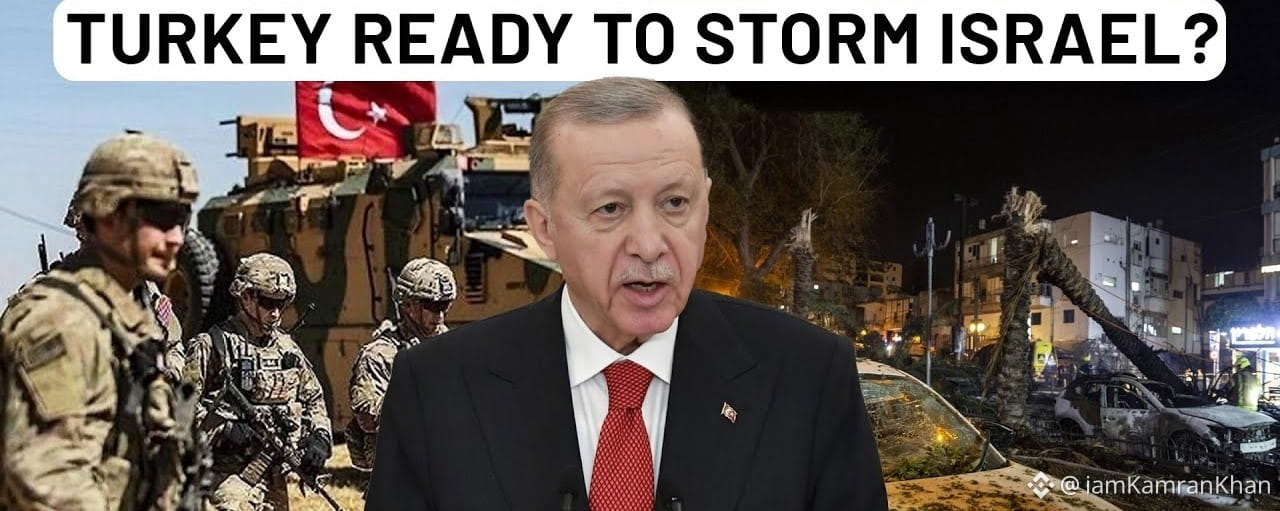
În ultimele luni, fricțiunea geopolitică între Turcia și Israel a atins un punct culminant, manifestându-se adesea în reproșuri diplomatice aspre și o postură militară accentuată. Titluri care revendică o "intrare iminentă de 72 de ore" sau un "asalt" al frontierelor au devenit comune în media digitală, dar o analiză profesională necesită distincția între retorica politică și capacitatea strategică reală.
1. Sursa Tensiunii
Animozitatea actuală este în principal determinată de conflictul în curs din Gaza. Președintele Erdoğan a poziționat Turcia ca un apărător ferm al drepturilor palestiniene, folosind frecvent un limbaj puternic pentru a critica acțiunile militare israeliene. Aceste declarații sunt adesea destinate unui public intern și lumii islamice mai largi pentru a întări rolul Turciei ca lider regional.
2. Verificarea faptelor privind afirmația "72 de ore"
Narațiunea "72 de ore" provine adesea din sloganuri politice istorice sau scenarii ipotetice discutate de politicieni naționaliști din Turcia. Cu toate acestea, nu există nicio direcție militară oficială sau informații internaționale care să sugereze că Turcia se pregătește pentru o invazie terestră directă a Israelului. O astfel de acțiune ar implica o complexitate logistică imensă și repercusiuni diplomatice internaționale masive pentru un membru NATO.
3. Efectul de undă economic: Impactul asupra piețelor globale de criptomonede
Instabilitatea geopolitică de această magnitudine se revarsă inevitabil în sectoarele financiare globale, piața criptomonedelor fiind deosebit de sensibilă la astfel de titluri. În cazul unei escaladări în lumea reală, analiștii anticipează mai multe schimbări cheie pe piață:
Volatilitatea inițială a pieței: Ca un activ "riscant", criptomoneda experimentează de obicei o vânzare imediată în timpul primelor semne de conflict militar. Investitorii mută adesea capital din Bitcoin în active "de refugiu" precum Aur.
Hedge împotriva devalorizării monedei: Dacă conflictul duce la devalorizarea monedelor fiat locale, cetățenii din regiunile afectate se îndreaptă adesea spre active descentralizate precum Bitcoin pentru a-și păstra puterea de cumpărare.
Creșterea utilității Stablecoin-urilor: În vremuri de criză, cererea pentru Stablecoins (USDT/USDC) de obicei crește. Aceste active devin esențiale pentru "evaziunea de capital", permițând indivizilor să ocolească sistemele bancare restricționate.
Presiunea energetică și de minerit: Orice perturbare a producției globale de energie poate crește costurile electricității. Aceasta pune presiune asupra profitabilității mineritului Bitcoin, ceea ce poate crea o presiune suplimentară descendentă pe piață dacă minerii sunt nevoiți să vândă deținerile.
4. Realitățile diplomatice și economice
În ciuda retoricii aprinse, relația dintre Turcia și Israel este complexă. Deși Turcia a anunțat recent restricții comerciale, cele două națiuni au menținut istoric legături economice semnificative. Deși ambasadorii au fost rechemați, canalele diplomatice formale rămân de obicei deschise pentru a preveni un colaps total al comunicării.
Concluzie
În timp ce relația diplomatică între Ankara și Ierusalim se află la un minim istoric, "pregătirea pentru atac" este în prezent restrânsă la domeniul discursului politic mai degrabă decât la realitatea militară. Pentru investitori și observatori deopotrivă, este esențial să monitorizăm comunicatele oficiale ale guvernului și sursele internaționale de știri verificate, mai degrabă decât conținutul sensationalizat de pe rețelele sociale. Înțelegerea intersecției dintre politica regională și finanțele globale este cheia pentru navigarea volatilității piețelor de astăzi.