
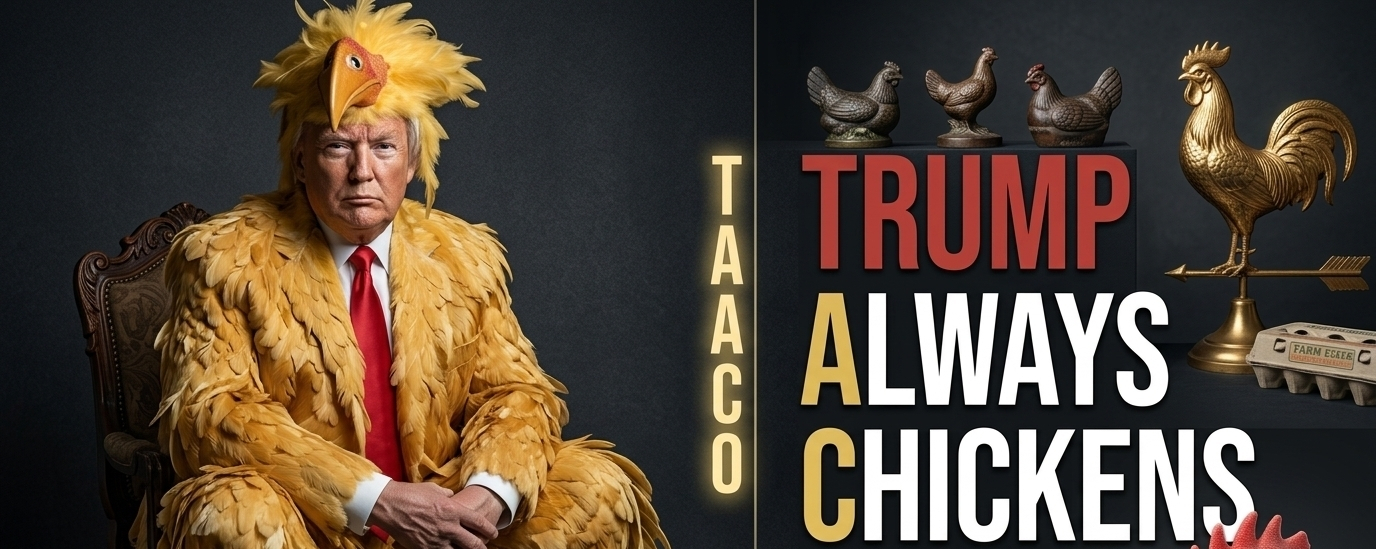
𝗔𝗰𝗲𝗹𝗮𝗹𝘁 𝗣𝗮𝘁𝗲𝗿𝗻 𝗠𝗮𝗻𝗱𝗿𝗼𝗺𝗼𝗻𝗲𝗮 𝗡𝗮𝗺𝗲𝗱 𝗔𝗳𝘁𝗲𝗿 𝗮 𝗧𝗮𝗰𝗼
𝘛𝘳𝘶𝘮𝘱 𝘔𝘢𝘳𝘦𝘢 𝘕𝘰𝘷𝘦𝘭𝘦 𝘚𝘵𝘳𝘦𝘦𝘵 𝘕𝘢𝘮𝗲𝗱 𝗔𝗳𝘁𝗲𝗿 𝘢 𝘴𝘦𝘳𝘷𝘪𝘦𝘳 𝘪𝘯𝘷𝘦𝘴𝘵𝗶𝘵𝗼𝗿𝘪 𝘩𝘦𝘷𝘦 𝘣𝘦𝘦𝘯 𝘱𝘳𝘰𝘧𝘪𝘵𝘪𝘯𝘨 𝘧𝘳𝘰𝘮 𝘪𝘵 𝘧𝘰𝘳 𝘰𝘷𝘦𝘳 𝘢 𝘦𝘦𝘳.
De fiecare dată când Donald Trump emite o amenințare majoră — tarife uriașe, atacuri militare, sancțiuni financiare — piețele globale reacționează cu frică. Acțiunile scad. Prețul petrolului crește. Investitorii intră în panică. Și apoi, cu o consistență remarcabilă, Trump revine asupra deciziei. Wall Street a observat acest model. L-au numit. Au construit o strategie de trading în jurul lui. Și au câștigat miliarde din asta. Se numește TACO Trade.
━━━━━━━━━━━━━━━━━━━━━━
𝗪𝗛𝗔𝗧 𝗜𝗦 𝗧𝗔𝗖𝗢?
TACO înseamnă 𝗧𝗿𝘂𝗺𝗽 𝗔𝗹𝘄𝗮𝘆𝘀 𝗖𝗵𝗶𝗰𝗸𝗲𝗻𝘀 𝗢𝘂𝘁. Termenul a fost creat în mai 2025 de Robert Armstrong, un columnist financiar de la Financial Times. El l-a folosit pentru a descrie un fenomen repetat: Trump face o amenințare extremă, piețele cad ca răspuns, Trump se retrage în liniște, iar piețele se recuperează brusc — recompensându-i pe cei care au rămas calmi și au cumpărat în timpul panicii.
Ceea ce a început ca o observație financiară a devenit mainstream în câteva săptămâni și este acum unul dintre cele mai discutate cadre de trading de pe Wall Street.
━━━━━━━━━━━━━━━━━━━━━━
𝗛𝗢𝗪 𝗜𝗧 𝗦𝗧𝗔𝗥𝗧𝗘𝗗 — 𝗟𝗜𝗕𝗘𝗥𝗔𝗧𝗜𝗢𝗡 𝗗𝗔𝗬
În aprilie 2025, Trump a anunțat tarife uriașe "Zilei Liberării" asupra importurilor din aproape fiecare țară din lume. Piețele globale au colapsat. S&P 500 a scăzut cu peste 12% — una dintre cele mai grave perioade din amintirea recentă.
O săptămână mai târziu, Trump a suspendat tarifele timp de 90 de zile. S&P 500 a crescut cu 𝟵.𝟱𝟮% 𝗶𝗻 𝗮 𝘀𝗶𝗻𝗴𝗹𝗲 𝘁𝗿𝗮𝗱𝗶𝗻𝗴 𝘀𝗲𝘀𝘀𝗶𝗼𝗻. Investitorii care au cumpărat în timpul prăbușirii au obținut câștiguri semnificative aproape imediat. Acest moment a stabilit modelul pe care traderii îl vor urmări în următoarele douăsprezece luni.
📊 𝗞𝗲𝘆 𝗡𝘂𝗺𝗯𝗲𝗿𝘀:
▸ 9.52% — Creștere pe o zi S&P 500 după primul TACO
▸ $1.5 Trillion — Raliul pieței după încetarea focului din Iran TACO
▸ $3 Billion — Bani de retail desfășurați într-o singură cădere
━━━━━━━━━━━━━━━━━━━━━━
𝗧𝗛𝗘 𝗧𝗔𝗖𝗢 𝗖𝗬𝗖𝗟𝗘 — 𝗧𝗛𝗘 𝗥𝗘𝗣𝗘𝗔𝗧𝗜𝗡𝗚 𝗙𝗢𝗥𝗠𝗨𝗟𝗔
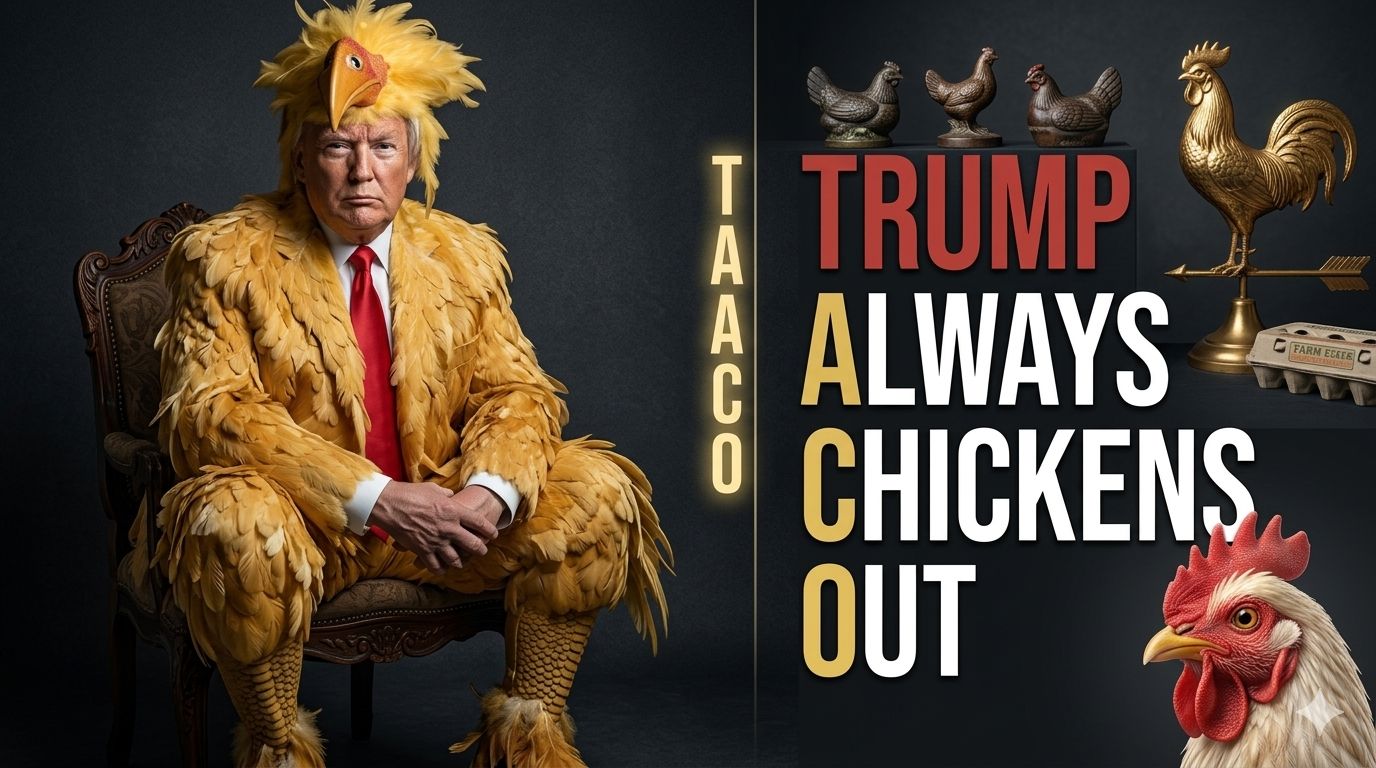
Modelul urmează o secvență constantă care s-a repetat în tarife, diplomație și provocări militare.
𝟭. 𝗧𝗵𝗿𝗲𝗮𝘁 — Trump anunță o poziție politică extremă.
𝟮. 𝗖𝗿𝗮𝘀𝗵 — Piețele reacționează cu frică. Acțiunile scad brusc.
𝟯. 𝗣𝗿𝗲𝘀𝘀𝘂𝗿𝗲 — Randamentele obligațiunilor cresc. Costul economic și politic devine vizibil.
𝟰. 𝗥𝗲𝘃𝗲𝗿𝘀𝗮𝗹 — Trump întârzie, își înmoaie sau anulează poziția inițială.
𝟱. 𝗥𝗮𝗹𝗹𝘆 — Piețele se recuperează brusc. Primii cumpărători profită. Ciclu se resetează.
❝ Cu cât amenințarea este mai extremă, cu atât este mai probabil ca un compromis să aibă loc. ❞
— Ed Mills, Director General, Raymond James
━━━━━━━━━━━━━━━━━━━━━━
𝗘𝗩𝗘𝗥𝗬 𝗧𝗜𝗠𝗘 𝗧𝗔𝗖𝗢 𝗣𝗟𝗔𝗬𝗘𝗗 𝗢𝗨𝗧
𝗖𝗵𝗶𝗻𝗮 𝗧𝗮𝗿𝗶𝗳𝗳𝘀 — 𝗠𝗮𝘆 𝟮𝟬𝟮𝟱
Trump a impus tarife de 145% asupra bunurilor chinezești. Piețele au scăzut drastic. Statele Unite și China au convenit apoi să suspende majoritatea tarifelor. S&P 500 a crescut cu 3,26% într-o singură sesiune pe baza anunțului.
𝗙𝗲𝗱𝗲𝗿𝗮𝗹 𝗥𝗲𝘀𝗲𝗿𝘃𝗲 — 𝗟𝗮𝘁𝗲 𝟮𝟬𝟮𝟵
Trump a amenințat public să-l îndepărteze pe președintele Fed, Jerome Powell. Piețele au scăzut brusc. În câteva zile, Trump a revenit asupra poziției sale. Piețele s-au recuperat.
𝗚𝗿𝗲𝗲𝗻𝗹𝗮𝗻𝗱 — 𝗝𝗮𝗻𝘂𝗮𝗿𝘆 𝟮𝟬𝟮𝟲
Trump a amenințat cu tarife asupra aliaților NATO care se opun planului său de achiziție a Groenlandei. S&P 500 a scăzut cu 2,06%. La câteva zile după, Trump a anunțat un acord și a retras toate amenințările de tarife. Piețele au crescut cu 1,16%. Investitorii care au cumpărat în cădere au capturat întreaga recuperare.
𝗜𝗿𝗮𝗻 𝗪𝗮𝗿 𝗖𝗲𝗮𝘀𝗲𝗳𝗶𝗿𝗲 — 𝗔𝗽𝗿𝗶𝗹 𝟮𝟬𝟮𝟶
Trump a emis un termen limită amenințând că va distruge infrastructura iraniană până la ora 20:00 pe 8 aprilie. Cu 80 de minute rămase până la termen, el a anunțat o încetare a focului de două săptămâni. Rezultatul a fost un raliu al pieței de 1,5 trilioane de dolari. Petrolul a scăzut cu 16%. Acțiunile de tehnologie au crescut. Traderii l-au numit 𝗧𝗔𝗖𝗢 𝗧𝘂𝗲𝘀𝗱𝗮𝘆.
━━━━━━━━━━━━━━━━━━━━━━
𝗛𝗢𝗪 𝗜𝗡𝗩𝗘𝗦𝗧𝗢𝗥𝗦 𝗔𝗥𝗘 𝗣𝗥𝗢𝗙𝗜𝗧𝗜𝗡𝗚
𝗨𝗦 𝗘𝗾𝘂𝗶𝘁𝗶𝗲𝘀 𝗮𝗻𝗱 𝗜𝗻𝗱𝗲𝘅 𝗙𝘂𝗻𝗱𝘀
Când Trump creează frică și piețele scad, traderii informați cumpără fonduri indexate la prețuri reduse. Când Trump revine asupra deciziei, ei vând cu profit. În timpul unei scăderi majore cauzate de Trump în 2025, investitorii de retail au desfășurat colectiv un record de 3 miliarde de dolari în acțiuni într-o singură sesiune.
𝗖𝗿𝘆𝗽𝘁𝗼𝗰𝘂𝗿𝗿𝗲𝗻𝗰𝘆
Bitcoin și activele digitale majore răspund la incertitudinea geopolitică în același mod ca acțiunile. Prețurile scad în timpul evenimentelor de frică și se recuperează când incertitudinea se clarifică. Strategia de a cumpăra în cădere se aplică în mod egal piețelor cripto, cu același ciclu TACO stimulând acțiunea prețului.
𝗢𝗶𝗹 𝗠𝗮𝗿𝗸𝗲𝘁𝘀
Amenințările legate de Iran și Strâmtoarea Ormuz împing prețurile petrolului brusc în sus. Când Trump dă înapoi, petrolul se corectează. Traderii care s-au poziționat corespunzător după încetarea focului din aprilie au capturat o scădere de 16% a prețurilor petrolului într-o singură sesiune de trading.
𝗧𝗲𝗰𝗵𝗻𝗼𝗹𝗼𝗴𝘆 𝗦𝘁𝗼𝗰𝗸𝘀
Săptămânile de incertitudine geopolitică au împins companiile mari de tehnologie bine sub valoarea corectă. Analiștii de la Wedbush au descris-o ca pe un mediu supravândut în întreaga tehnologie de mari dimensiuni. Investitorii care au acumulat poziții în timpul scăderii au profitat semnificativ când piețele s-au stabilizat.
━━━━━━━━━━━━━━━━━━━━━━
𝗪𝗛𝗬 𝗗𝗢𝗘𝗦 𝗧𝗥𝗨𝗠𝗣 𝗞𝗘𝗘𝗣 𝗥𝗘𝗩𝗘𝗥𝗦𝗜𝗡𝗚?
Trei factori conduc constant Trump spre o revenire.
𝗙𝗶𝗿𝘀𝘁, el a măsurat istoric performanța președinției sale prin nivelurile pieței de acțiuni. O prăbușire a pieței cauzată de propria sa politică creează daune politice imediate și vizibile.
𝗦𝗲𝗰𝗼𝗻𝗱, cu alegerile intermediare din SUA în noiembrie 2026, durerea economică susținută se traduce direct în pierderi electorale. Creșterea prețurilor petrolului și scăderea piețelor pierd voturi rapid.
𝗧𝗵𝗶𝗿𝗱, unii analiști susțin că modelul este deliberat — o tactică de negociere destinată să obțină concesii prin amenințări maxime înainte de a se ajunge la un rezultat mai moderat. Riscul acestei abordări este că, atunci când piața se așteaptă constant la o revenire, amenințările își pierd progresiv credibilitatea.
━━━━━━━━━━━━━━━━━━━━━━
𝗧𝗛𝗘 𝗥𝗜𝗦𝗞 — 𝗧𝗔𝗖𝗢 𝗜𝗦 𝗡𝗢𝗧 𝗚𝗨𝗔𝗥𝗔𝗡𝗧𝗘𝗘𝗗
⚠️ Situația din Iran a expus limitele acestei strategii. Cu tarifele, Trump poate inversa o decizie unilateral. O război necesită acordul unei alte națiuni suverane. Iranul are propriile interese și cronologie.
Analiștii de la JPMorgan au avertizat investitorii să nu supraextrapoleze acest model. Comerțul funcționează constant — până în momentul în care nu o face. Într-un scenariu în care Trump își duce la capăt o amenințare, investitorii poziționați pentru o revenire ar putea suferi pierderi severe și rapide.
𝗧𝗵𝗲 𝗧𝗔𝗖𝗢 𝘁𝗿𝗮𝗱𝗲 𝗶𝘀 𝗮 𝗽𝗮𝘁𝘁𝗲𝗿𝗻 𝗼𝗯𝘀𝗲𝗿𝘃𝗮𝘁𝗶𝗼𝗻, 𝗻𝗼𝘁 𝗮 𝗴𝘂𝗮𝗿𝗮𝗻𝘁𝗲𝗲𝗱 𝗼𝘂𝘁𝗰𝗼𝗺𝗲.
━━━━━━━━━━━━━━━━━━━━━━
𝗪𝗛𝗔𝗧 𝗖𝗢𝗠𝗘𝗦 𝗡𝗘𝗫𝗧
Încetarea focului din Iran de două săptămâni are o dată de încheiere definită. Dacă negocierile eșuează, piețele petroliere se vor confrunta cu o perturbare imediată și acțiunile vor fi supuse unei presiuni reînnoite. Tarifele de 55% ale lui Trump asupra bunurilor chinezești rămân în vigoare. Provocările legale la autoritatea tarifelor se desfășoară prin instanțele din SUA, cu decizii ale Curții Supreme așteptate în lunile următoare.
Fiecare nouă dezvoltare politică creează condițiile pentru un alt ciclu TACO potențial. Modelul continuă să contureze modul în care capitalul global este poziționat.
━━━━━━━━━━━━━━━━━━━━━━
𝗧𝗛𝗘 𝗖𝗢𝗥𝗘 𝗜𝗡𝗦𝗜𝗚𝗛𝗧
Comerțul TACO există pentru că un model clar și repetabil a apărut din mediul politic actual. Amenințările politice creează frică. Frica determină prețurile să scadă. Reversările determină prețurile să crească din nou.
Investitorii care înțeleg ciclul — și își gestionează riscurile în consecință — s-au poziționat constant pentru a beneficia de volatilitatea pe care alții pur și simplu o suportă.
Înțelegerea a ceea ce mișcă piețele nu este rezervată capitalului instituțional de pe Wall Street. Totul începe cu recunoașterea modelelor care determină acțiunea prețului global. De peste un an, comerțul TACO a fost unul dintre cele mai vizibile și profitabile dintre aceste modele.
━━━━━━━━━━━━━━━━━━━━━━
𝘕𝘦𝘳𝘦𝘯𝘞𝘨 𝘢𝘭𝘦 𝘣𝘪𝘻𝘭𝘪𝘢𝘴 𝘧𝘦𝘳 𝘭𝘦 𝘧𝘰𝘳 𝘧𝘰𝘳 𝘤𝘦𝘦𝘱𝘦 𝘣𝘦𝘳𝘶𝘴 𝘴𝘦𝘥𝘳𝘶𝘳 𝘦𝘴𝘱𝘢𝘭𝘝𝘦𝘮𝘦𝘯𝘵𝘀.