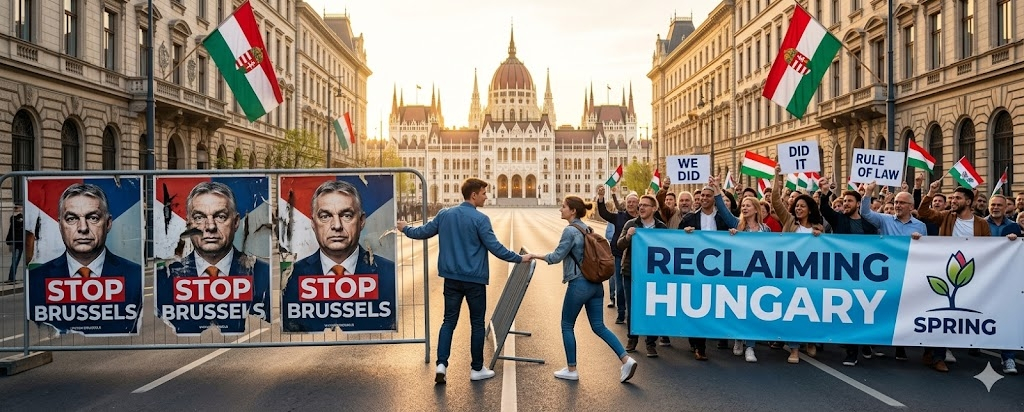
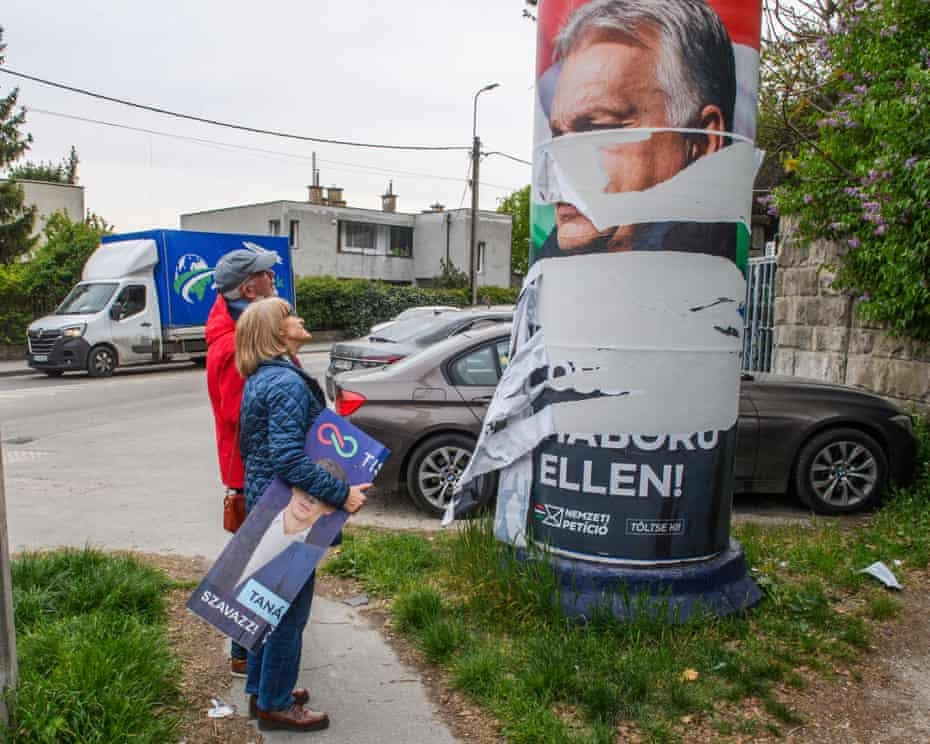
The recent Hungarian election results have sent shockwaves across the globe. After 16 years, the era of Viktor Orbán has come to a decisive end. With a staggering 79.5% turnout and a massive mobilization of the youth vote, Péter Magyar and the Tisza party have secured a mandate that many thought impossible in a "captured" state.
However, as we celebrate this "Budapest Spring," we must temper our enthusiasm with the hard lessons learned from Poland. Reclaiming a democracy is significantly more difficult than dismantling one.
The Challenge of "Deep State" Illiberalism
While the electoral victory is a necessary first step, Magyar inherits a system where Orbán’s influence is woven into the very fabric of the state. Unlike Poland’s Law and Justice party, which lacked a constitutional majority, Orbán spent over a decade enshrining his ideology into law and placing loyalists in every key public and economic structure.
The Road Ahead: Three Key Obstacles
The Judicial Trap: As seen in the "Polish paradox," restoring the rule of law while adhering to democratic principles creates a Catch-22. How do you undo illegal appointments without violating the legal certainty the new government seeks to protect?
Economic Fragility: With inflation exceeding 50% since 2020, the new administration must provide immediate economic relief to prevent voter fatigue.
The Trump Factor: Orbán remains a relatively young political figure with powerful allies in the Maga-sphere. A "comeback narrative" is already being scripted, betting on the new coalition’s struggle to fix a broken economy.
Why This Matters for Europe
This isn't just a Hungarian story; it’s a litmus test for the resilience of liberal democracy. From the failed judicial referendums in Italy to the shifting tides in Poland, we are seeing that authoritarianism can be checked, but it is rarely dismissed with a single blow.
The Hungarian people have won back the ballot box. Now, the grueling work of rebuilding a state begins.
#HungaryElection #BudapestSpring #RuleOfLaw #Democracy #EuropeanPolitics