
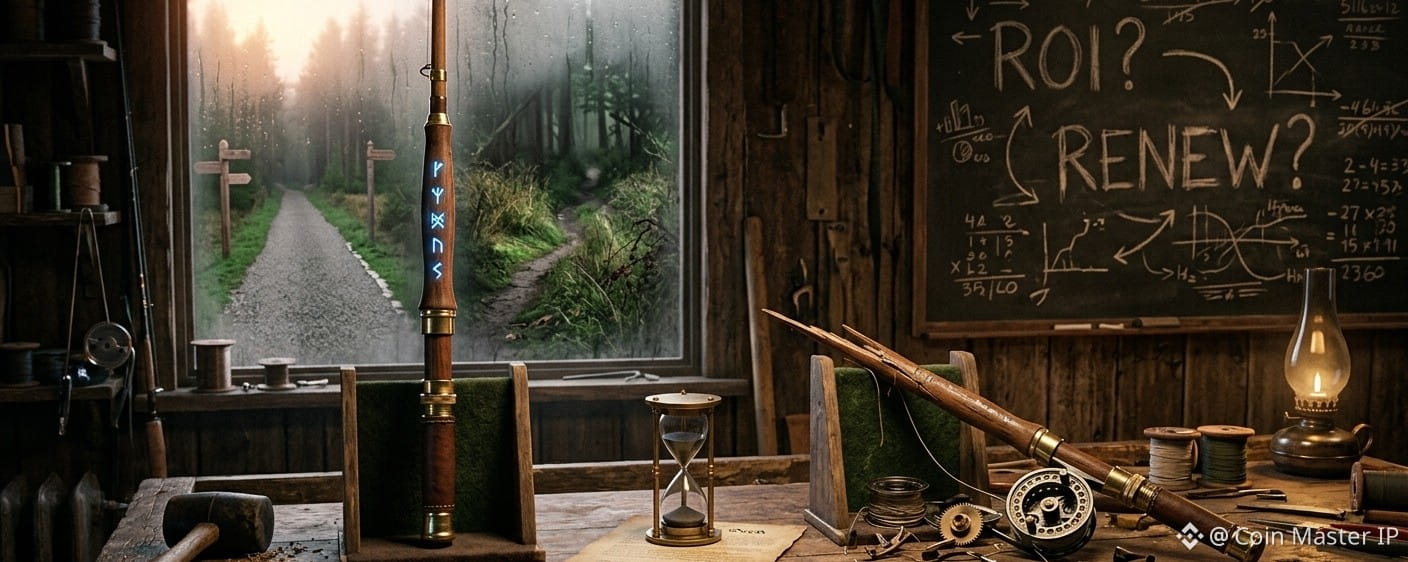
Instead of asking if a game gets Stronger or heavier with more layers maybe it's better to try a Completely different question becauSe every new system you add doesn't just sit quietly beside the old ones it stacks right on top a nd the real issue isn't how muCh stuff there is but whether all that stuff works together or just constantLy trips over itSelf. So ask yourSelf whethr each new mechanic gives you a real choice or just anOther chore to grind through and ask whether the economy connects naturally to combaT and exploration or feels like a seperate game you have to learn from scraTch and ask whether learning one system helps you underStand another or forces you to start over every single time becauSe a game doesn't fail just becauSe it has too many parts it fails becauSe those parts never earn their keep.
To be Completely honest, my first reAction to the Pixels Tier 5 update wasn't simple or straightforWard at all. I saw new tier, new resourCe, new recipes, and I thought—yeah that's what you expeCt nothing speCial. But looking closer you can see it's not just more stuff it's a diffeRent kind of change like a new behavioral layer has been quietly slipped into the whole system and that's what makes it aCtually special.
Take T5 industries being tied to NFT land—that instantly splits the player base becauSe not everyone is standing on the same floor anymore and then you also need a slot deed that expires in thirty days. There's pressure there but it's quiet, nobody's shouting at you to play but the system just quietly reminds you that staying still means falling behind and that's aCtually pretty inteResting becauSe theyha've woven a commitment loop right into the reward structure without making it feel like a chain around your neck.
But the deconstrucTion system is what really sticks with me the most becauSe before the loop was always build, upgrade, accumuLate but now the game says break things down, dismantle, pull out new value and that's a real shift where creaTion and destrucTion are no longer opposites they become partners in the same economy and that's honestly where the weight starts to feel meaningFul instead of just heavy.
But here's the real question though. If you have to break what you built jus t to move forWard can you ever truly love your stuff? You craft it, you polish it, you feel good about it and then the game says tear it apart for something b etter and that's not the usual loop and it's not comf Ort either that's pure optimization.
And that shifts your mindset Completely becauSe you stop being a builder and you become a resourCe manager inste ad and the risk is real that the game could start to feel like a spreadsheet with animations but the opposite could also happen becauSe this kind of system doesn't starve you on purpose it keeps value moving. New materials like Aether Twig or Aetherforge Ore they don't drop from trees or monsters they only come from deconstrucTion and that means the supply chain is fully controlled but not stiff or brittle which is aCtually good for long-term health honestly.
Still I end up in the same old spot again. At the end of the day will the player feel like they're playing a game or just operating a system?
Take the fishing update for example—five tiers, durability scali ng, acceSs control based on tool level, everything lines up so neatly and you can see the path from start to finish but that's also the thing it feels designed not discovered and there's hardly any randomness left just a clean set of steps. Then there's the forestry XP buff which is five hundred XP per log at Tier 5 and that's not a bump that's a leap so the game isn't subtle about where it wants you to go, push hard, scale fast, optimize everything. But here's the quiet tension: when the top tier rewards are that loud the lower tiers start to fade into background noise so what does that mean for a new player? Will the y find the early game genuinely inteResting or will it just feel like the slow part before the real game even begins?
And then there's the slot expiration thing—thirty days and then your industry stops working. On paper it's a sink, it pulls value out and keeps the economy from bloating but underneath that it's a clock, not loud, not punishing, just quietly ticking and that makes me wonder: are you still playing becauSe you want to or becauSe the system gently reminded you that your time is rented?
This diffeRence is really subtle but over months and years it lands like a weight and after taking in the whole update I'm left with a mixed feeling that just doesn't settle. On one hand it's clear the design team isn't just throwing in random features they are actively shaping an economy where resourCe flow, item lifespan, player behavior everything connects and that kind of thinking is rare in ordinary play-to-earn games you don't usually see this level of care at all. But on the other hand complexity brings risk and the biggest risk here is losing the aCtual feeling of a game becauSe when a player starts running mental math on every move—what's the ROI on this action, do I break this item for more profit, how much loss if I don't renew my deed—then the line between fun and optimization gets really blurred. And let's be honest not all players came here to optimize, some people just want to wander and explore and hang out in a world and it's not clear yet how much room Tier 5 leaves for that kind of player.
So where do I land on all this? I think this update is direcTionally strong but emotionally still inComplete. System-wise it's impressive and economically it's thoughtful but player experience? That's still an open wound of a question honestly. Maybe time will heal it or maybe the players themselves will reshape it through how they aCtually play or maybe the system becomes so dominant that the game quietly forgets how to be a game and just becomes a machine instead.
That tension right there is the most inteResting place to be right now. Anyway let's see how it plays out until the end. 🤔👀