
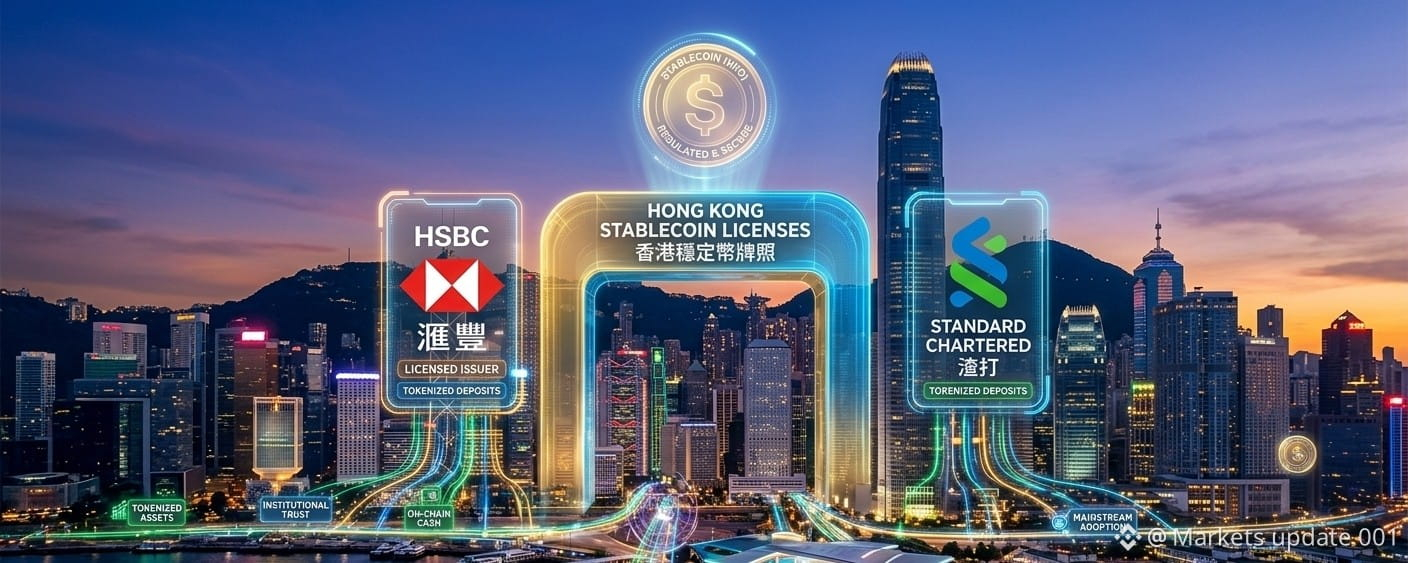
Hong Kong a intrat oficial într-o nouă eră a finanțelor digitale prin acordarea primelor sale licențe pentru emițători de stablecoin. Această dezvoltare, efectivă din 10 aprilie 2026, marchează o etapă majoră în ambiția orașului de a deveni un hub global Web3. Mai degrabă decât să acorde aceste licențe "startup-urilor native în crypto" în primul rând, Autoritatea Monetară din Hong Kong (HKMA) s-a bazat pe stabilitatea instituțională selectând doi jucători tradiționali de greutate din finanțele tradiționale (TradFi).
Noii Licențiați
Cele două licențe inaugurale au fost acordate în conformitate cu noul Ordin al Stablecoins al orașului**:
HSBC: Cea mai mare bancă din Hong Kong, planificând să lanseze un stablecoin în dolari hongkonghezi (HKD) mai târziu în 2026.
Anchorpoint Financial: O joint venture puternică condusă de Standard Chartered, în parteneriat cu HKT (telecom) și Animoca Brands (Web3).
De ce este important acest lucru pentru Finanțele Tradiționale
Această mișcare semnalează o schimbare strategică în care băncile tradiționale nu mai sunt doar observatori, ci participanți activi în ecosistemul crypto.
Credibilitate Instituțională: Având bănci "emitente de note" precum HSBC și Standard Chartered care emit stablecoin-uri, HKMA oferă pieței un nivel de încredere pe care entitățile pur digitale se luptă să îl egaleze.
Ecosisteme Integrate: Băncile pot acum să integreze plățile stablecoin cu aplicațiile lor de retail existente (precum PayMe de la HSBC), permițând milioanelor să folosească bani bazați pe blockchain pentru cumpărăturile zilnice de cafea sau transferuri între persoane fără a atinge vreodată o bursă crypto.
Legislația "On-Chain Cash": Pentru ca băncile să aibă succes în tokenizare (transformarea activelor reale precum obligațiuni sau imobiliare pe blockchain), au nevoie de o modalitate stabilă și reglementată de a gestiona partea de numerar a tranzacției. Aceste licențe oferă acel link lipsă.
Impact Potențial asupra Pieței Crypto
Intrarea gigantilor bancari în spațiul stablecoin-urilor este o "sabie cu două tăișuri" pentru piața crypto existentă:
1. Adoptare Accelerată în Mainstream
Implicarea băncilor reduce bariera de intrare. Utilizatorii obișnuiți care anterior erau intimidați de cheile private și bursele nereglementate se pot simți acum confortabil folosind stablecoin-uri emise de banca lor locală de încredere. Acest lucru ar putea crește drastic volumul activelor digitale care circulă prin economie.
2. Presiune asupra Emitenților "Crypto-Nativi"
Giganti ai stablecoin-urilor precum Tether (USDT) sau Circle (USDC) pot face față unei competiții acerbe pe piețele regionale. În Hong Kong, un stablecoin HKD reglementat, susținut de o bancă locală, poate fi preferat pentru comerțul și tranzacțiile interne față de un coin legat de dolarul american emis de o entitate din străinătate.
3. Noi Standard pentru Transparente
Regimul de licențiere din Hong Kong este strict. Emitenții trebuie să păstreze **100% rezerve** în active de înaltă calitate și lichide, deținute în conturi segregate. Această "normă de aur" a reglementării poate forța alte jurisdicții globale și emitenți privați să își crească transparența pentru a rămâne competitivi.
4. Ascensiunea Web3 "Hibrid"
Joint venture-ul Anchorpoint (Standard Chartered + Animoca Brands) arată că viitorul este probabil **hibrid**. Vedem o fuziune a gestionării riscurilor din TradFi cu inovația tehnică a Web3. Acest lucru ar putea duce la produse DeFi (Finanțe Descentralizate) mai stabile, sigure și prietenoase cu utilizatorul, care sunt de fapt conforme cu legile locale.
Concluzie Cheie: Hong Kong demonstrează că narațiunea "crypto vs. bănci" se încheie. În locul ei, există un sistem financiar unificat în care blockchain-ul este pur și simplu noua cale pentru banii lumii.
Cum credeți că se compară această abordare "condusă de bănci" din Hong Kong cu natura mai descentralizată a piețelor crypto din alte regiuni?