
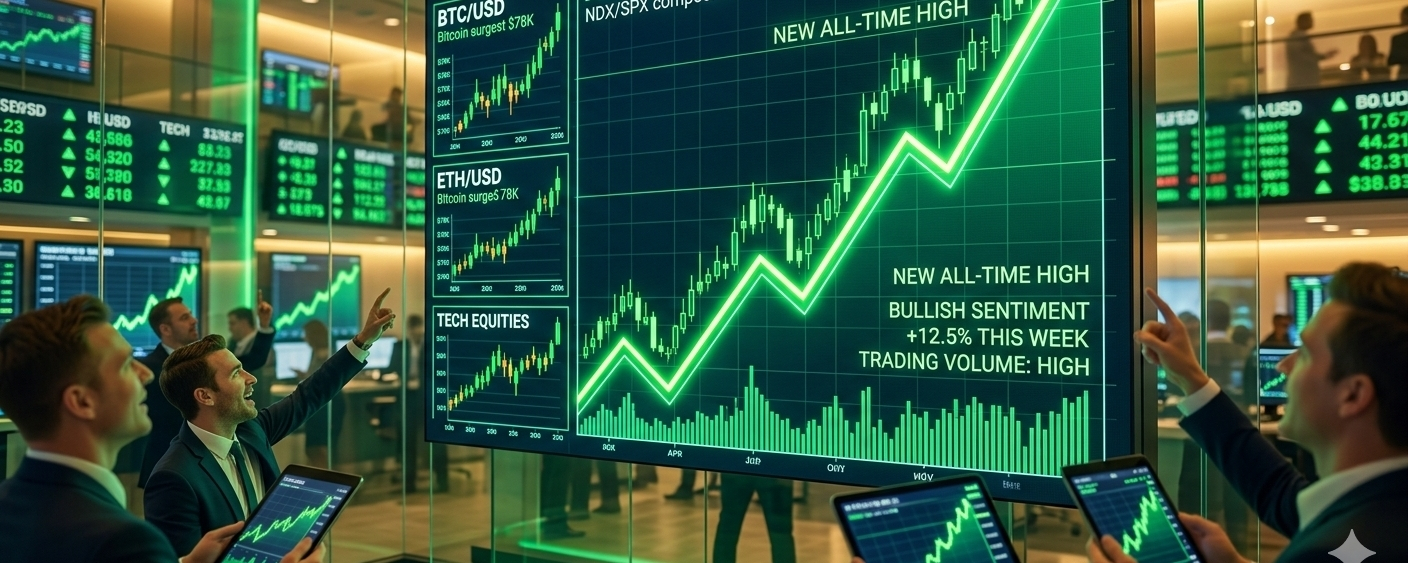
Recenta creștere a valorii Bitcoin peste 78.000 $ marchează o etapă semnificativă pentru activele digitale, determinată de un aliniament rar al stabilității geopolitice și al schimbărilor pe piața energiei tradiționale. Iată o analiză a motivului pentru care această știre zguduie peisajul financiar.
Catalizatorul: De-escaladarea geopolitică
Principalul factor din spatele acestei mișcări de piață a fost decizia Iranului de a redeschide Strâmtoarea Ormuz. Fiind unul dintre cele mai critice puncte de strangulare pentru tranzitul global de petrol, redeschiderea sa a semnalat o răcire majoră a tensiunilor din Orientul Mijlociu.
* Sentimentul de risc: Când temerile geopolitice se diminuează, investitorii tind să se îndepărteze de activele defensive (precum aurul sau numerarul) și să revină la activele orientate spre creștere sau speculative, cum ar fi Bitcoin.
* Încrederea pe piață: Stabilitatea într-o regiune volatilă oferă un "semafor verde" pentru comerțul global, încurajând o participare mai largă în piețele crypto.
Conexiunea petrolului
Pe măsură ce strâmtoarea s-a redeschis, amenințarea imediată a unei crize de aprovizionare a dispărut, ducând la o scădere bruscă a prețurilor petrolului. Relația dintre petrol și Bitcoin în acest context este dublă:
1. Așteptările inflației: Prețurile mai mici ale petrolului duc de obicei la costuri energetice mai mici, ceea ce poate ajuta la răcirea inflației. Dacă investitorii cred că inflația este gestionată, creează un mediu mai previzibil pentru Rezerva Federală și alte bănci centrale, beneficiind adesea piața crypto.
2. Schimbări de lichiditate: Pe măsură ce capitalul iese din comerțul de "hedge energetic", acesta caută adesea alternative cu performanțe ridicate. Bitcoin, ajungând la cel mai înalt nivel din februarie, a devenit principala beneficiar al acestei lichidități redirecționate.
Rezumatul performanței pieței
| Preț Bitcoin | Peste 78.000 $ | Nou maxim pe mai multe luni |
| Prețuri ale petrolului | Scădere | Presiune inflaționistă globală redusă |
| Statut geopolitic | De-escaladare | Apetitul crescut al investitorilor pentru risc |
De ce este important pentru viitor
Această eveniment subliniază rolul în creștere al Bitcoin ca barometru pentru sentimentul global. În timp ce anterior era văzut ca fiind complet decuplat de piețele tradiționale, sensibilitatea sa la evenimente geopolitice majore—cum ar fi redeschiderea rutelor comerciale—sugerează că devine profund integrat în narațiunea macro-economică globală.
Mutarea peste 78.000 $ sugerează că piața a depășit nivelurile anterioare de rezistență, alimentată de o combinație unică de optimism în vremuri de pace și schimbări în costurile energetice.