
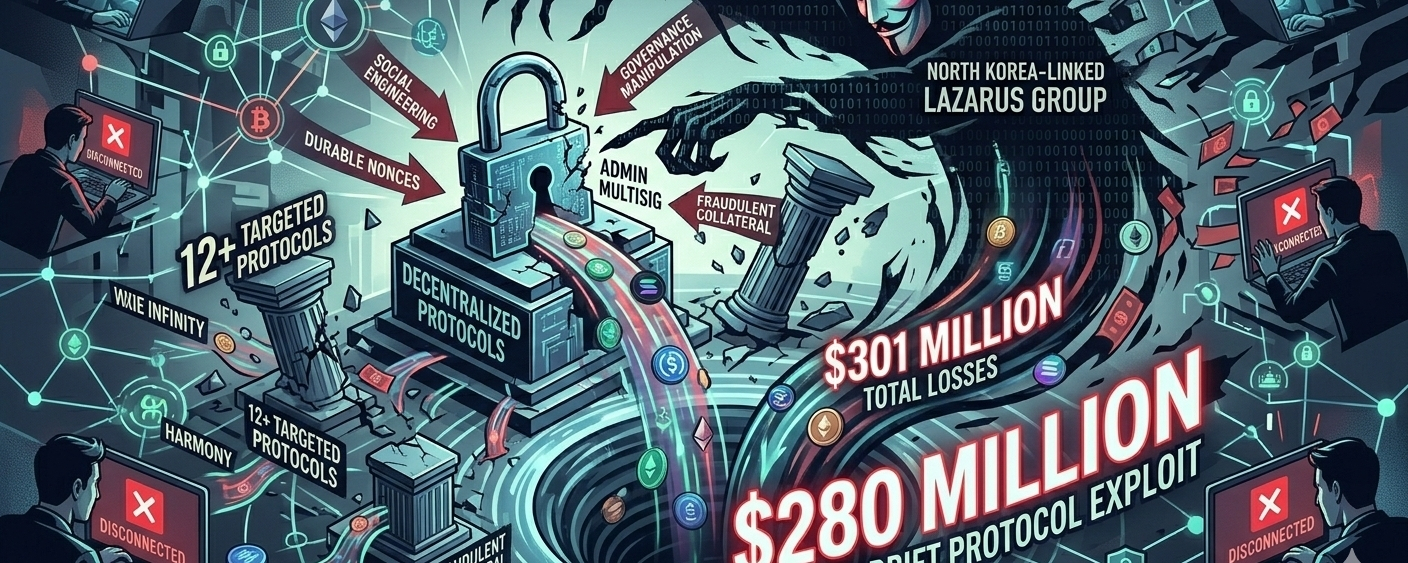
Sectorul criptomonedelor se confruntă în prezent cu o criză severă de securitate, în urma unei serii devastatoare de atacuri cibernetice care au sustras peste 300 de milioane de dolari de la diverse platforme de finanțare descentralizată și afaceri digitale. Această undă de volatilitate a fost condusă de un atac masiv de 280 de milioane de dolari asupra Drift Protocol la începutul lunii aprilie, care a deschis aparent porțile pentru o serie de atacuri mai mici, dar la fel de calculate, împotriva a cel puțin o duzină de alte entități. Aceste incidente subliniază colectiv o tendință îngrijorătoare a vulnerabilităților tehnice persistente care continuă să afecteze chiar și protocoalele sofisticate, lăsând investitorii și dezvoltatorii în alertă maximă. Succesiunea rapidă a acestor breșe a intensificat discuția despre necesitatea unor audituri de securitate mai riguroase și implementarea unor instrumente avansate de monitorizare în timp real pentru a detecta activități anormale înainte ca fondurile să poată fi drenate. Pe măsură ce pierderile totale cresc, industria se confruntă cu o presiune tot mai mare de a-și schimba focalizarea de la inovația rapidă la stabilitatea fundamentală, demonstrând că viabilitatea pe termen lung a ecosistemului depinde în mare măsură de capacitatea sa de a proteja activele utilizatorilor împotriva actorilor de amenințare din ce în ce mai îndrăzneți și ingenioși.
.