
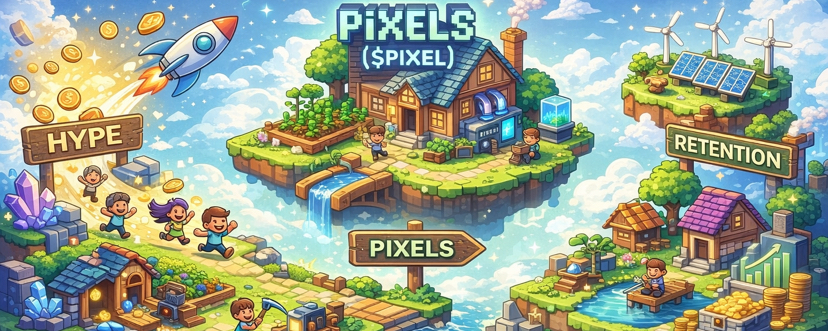
At first, I thought most GameFi projects failed because the token model broke.
Now I think that is only the visible part.
What usually dies first is attention.
Not with drama.
Not with a headline.
Not with one fatal mistake.
It just fades.
People stop checking.
The timeline gets quieter.
The routine weakens.
And once the habit is gone, the economy usually follows.
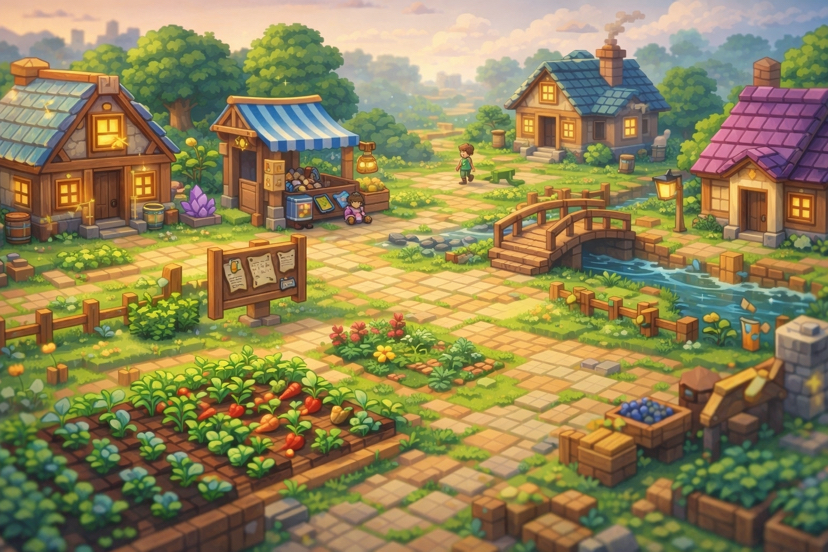
That is why Pixels started feeling different to me.
Not because it promised more rewards.
Not because it looked more ambitious.
And not because it tried to impress with complexity.
Actually, the opposite.
Pixels understood something many GameFi projects forget:
fun is not decoration.
Fun is retention.
Fun is infrastructure.
If players are only there for extraction, they leave the moment the numbers become less exciting.
But if the game loop is genuinely enjoyable, then rewards stop being the whole reason people show up.
They become an extension of behavior that already wants to exist.
That is the shift that matters.
And lately, that shift feels even bigger.
What caught my attention with Stacked is that it no longer feels like just another game feature.
It feels like something else entirely.
A system built from everything Pixels learned while running a live game at scale.
A layer designed around engagement, rewards, player behavior, and retention.
Not just for one game, but potentially for many.
That is not a small update.
That is a different category of ambition.
And that is probably the most interesting part to me.
Because most GameFi projects try to manufacture retention through incentives.
Pixels seems to be trying to do the opposite:
build something fun enough that retention happens first,
then build the economy around real behavior.
That is a much harder path.
But it is also the only path that has ever felt durable.
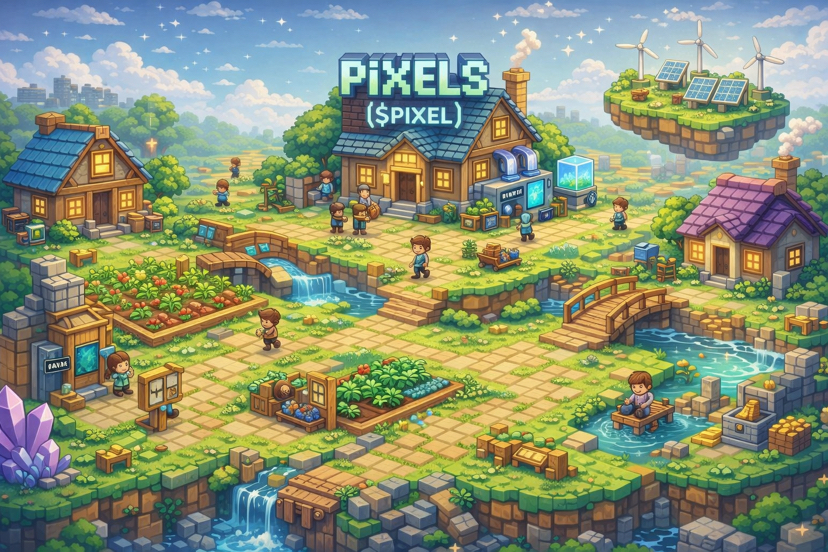
If Stacked actually works the way it is being presented, then Pixels is no longer just trying to keep one game alive.
It is trying to turn its own hard won lessons about engagement, rewards, and player behavior into infrastructure that other games can use too.
That is where the story stops being:
“this is a fun farming game with a token.”
And starts becoming:
“this might be one of the few projects that understood why most GameFi fades out, and decided to build around that weakness directly.”
For me, that is the real signal.
Not hype.
Not emissions.
Not temporary growth.
Just this question:
When rewards become less loud, does the system still give people a reason to return?
Most GameFi cannot answer that.
@Pixels might.