
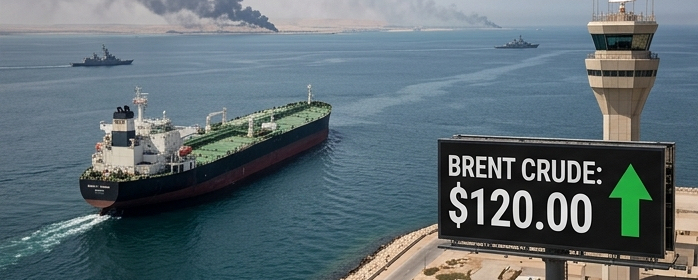
Global financial markets and digital assets have experienced severe turbulence due to military escalations in the Middle East, particularly as 2026 recorded pivotal events in the Iranian regional and international conflict.
Here is a comprehensive analysis of the impact of this war on the markets:
1. The Stock Market: Between Energy Shocks and Safe Havens
Equities are the assets most sensitive to geopolitical tensions due to their direct impact on supply chains and production costs.
The Energy and Oil Sector:With the closure of the Strait of Hormuz in March 2026, Brent crude prices surged to exceed $120 per barrel. This spike led to gains for major oil companies but placed immense pressure on the aviation and manufacturing sectors.
Inflation and Tech Stocks:The war sparked fears of "Stagflation." This drove investors to flee technology stocks (such as the Nasdaq) that rely on low interest rates, leading to sharp declines in their market value.
The Flight to Safety: Markets saw a shift toward government bonds and gold. Major indices like the S&P 500 dropped significantly immediately following the initial airstrikes before beginning to stabilize as markets priced in the shock.
2. The Crypto Market: Digital Gold or High-Risk Asset?
The reaction of cryptocurrencies was complex and volatile, reopening the debate over Bitcoin’s nature as a hedge against crises.
Initial Decline (Liquidity Shock): In the first moments of any major military escalation (similar to events in April 2024 or February 2026), Bitcoin and altcoins often drop sharply. This is due to liquidations to cover losses in other markets or to secure cash liquidity.
Digital Resilience: Contrary to some expectations, Bitcoin showed an ability to recover faster than traditional stocks in 2026. It began to be viewed as a "borderless" financial tool unaffected by bank disruptions or traditional financial sanctions.
The Iranian Market Impact: Iran is one of the largest regional crypto markets. Internet outages and banking restrictions during the conflict slowed local trading activity but increased the demand for stablecoins (USDT) as a means to protect value against the collapse of the local currency (Rial).
3. Performance Comparison During the Crisis (2024 - 2026)
| Financial Asset | Immediate Reaction | Long-term Impact |
|---|---|---|
| Oil (Brent) | Rocketed (> $100) | Increased shipping costs and global inflation. |
| Stocks (S&P 500) | Sharp drop (Panic selling) | Slow recovery linked to Central Bank decisions. |
| Bitcoin (BTC) | Violent volatility/Flash crash | Regained gains as a "decentralized" alternative asset. |
| Gold | Steady Rise | Maintained its status as a traditional safe haven.
Conclusion
The war has proven that financial markets are no longer decoupled from politics. While the stock market suffers from inflationary pressures and rising energy costs, crypto finds itself in a true testing phase: it will either fall as a speculative asset or prove its worth as an "alternative financial system" during wartime.
Investor Advice: Under these circumstances, "hedging with gold" and "portfolio diversification" between traditional and digital assets remain the safest strategies to face sudden wartime fluctuations.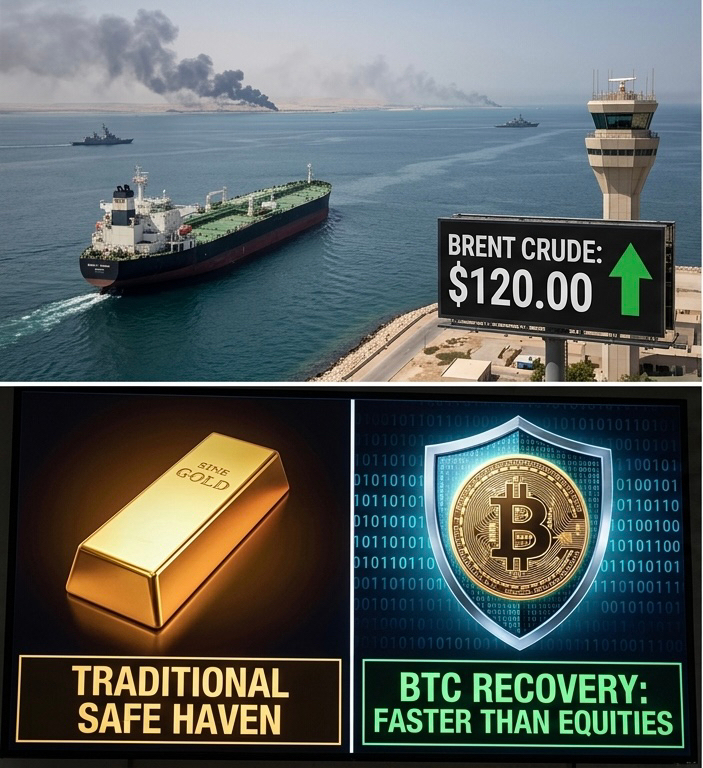 #BitcoinPriceTrends $BTC