
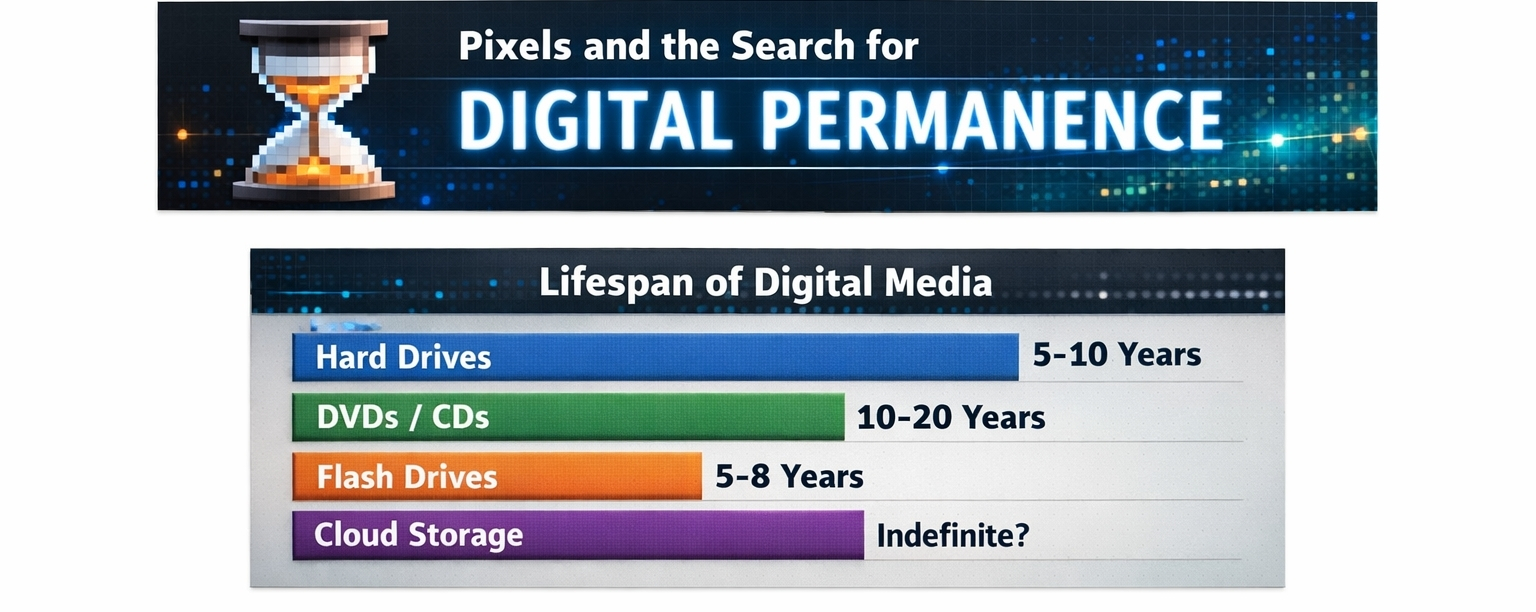
started as something that doesn’t try too hard to introduce itself. It’s just there—fields, small routines, a loop that feels familiar before you even understand why. Built on , it carries all the expectations that come with that label, but it doesn’t rush to prove anything. You log in, you move around, you plant something, you wait. It almost feels like the project is watching you as much as you’re watching it, trying to see if you’ll settle into it without needing to be convinced.
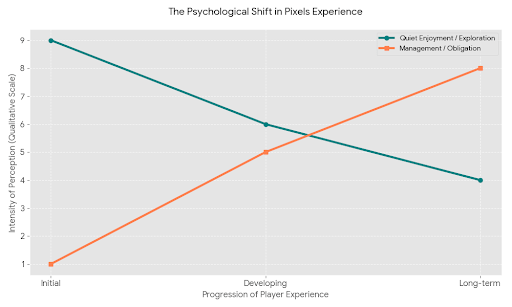
That’s what makes it feel different at first. Not better, just quieter. Most things in this space arrive with noise—big claims, big energy, a kind of urgency that makes you feel like you’re already late. This doesn’t do that. It feels slower, like it’s built around the idea that people might still want somewhere to return to, not just somewhere to visit once and move on from. And that sounds simple, but it’s actually where most systems fail. They can attract attention, but they can’t hold it without turning it into pressure.
Spending time inside it, you start to notice how much of it depends on repetition. Farming, walking, doing the same small actions again and again. In a normal game, that repetition becomes rhythm. Here, it sits in a slightly more uncomfortable place, because you’re always aware that there’s something attached to it—some form of value, even if it’s subtle. And that awareness changes how the loop feels. You’re not just playing. You’re also, in the back of your mind, measuring whether your time is doing something.
That’s where the tension begins to show. Not immediately, but slowly. At first, it’s easy to ignore. The world feels light, almost soft. You see other players moving around, doing their own thing, and there’s a sense that maybe this could turn into something steady. But over time, patterns start to form. Certain actions feel more important than others. Certain behaviors start to repeat across players. And without anyone saying it directly, the space begins to shift from being a place you exist in to something you manage.
It’s not unique to this project. It’s something that happens across most of Web3. Systems start out feeling open, and then gradually tighten as people figure out how to optimize them. What begins as exploration turns into efficiency. What feels optional becomes expected. You don’t notice the exact moment it changes, but you feel it when the small, quiet enjoyment starts getting replaced by a low-level sense of obligation.
And yet, something about Pixels keeps pulling attention back. Maybe it’s because it doesn’t fully collapse into that pressure. Or maybe it just hides it better. There’s still something about the simplicity of it that resists being completely reduced to numbers. The act of planting something and coming back later still carries a small, almost stubborn kind of satisfaction. Not enough to call it special, but enough to make you pause before dismissing it.
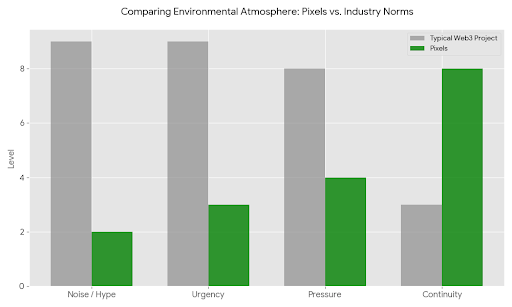
It also helps that the environment doesn’t feel like it’s constantly demanding something from you. There’s space to do very little, which is rare. Most systems want engagement at all times. They want activity, participation, proof that you’re still there. This feels more passive, like it’s okay if you drift in and out. But that raises another question—whether something can survive long-term if it doesn’t demand attention, especially in a space where attention is everything.
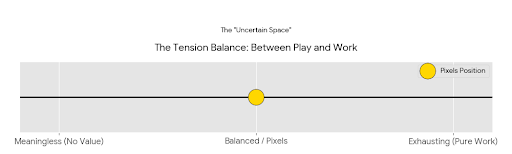
The longer you watch it, the more it starts to feel like the project isn’t really about farming or exploration at all. Those are just surfaces. Underneath, it’s circling a more basic problem: how to make time spent inside a system feel like it matters without turning it into work. That’s a difficult balance. Lean too far one way, and it becomes meaningless. Lean too far the other, and it becomes exhausting.
Right now, it’s somewhere in between. Not fully resolved, not fully broken. Just existing in that uncertain space where things either slowly stabilize or quietly fall apart. The industry around it doesn’t make that easier. Everything moves fast, trends change quickly, and patience is rare. A project like this almost feels out of place because it depends on people slowing down, even slightly.
Maybe that’s why it’s worth watching, but not in the way people usually mean when they say that. Not because it’s going to explode or dominate or prove anything. Just because it’s trying to hold onto something that most systems here lose very quickly—a sense of continuity. Whether it can actually maintain that when more pressure arrives is still unclear.
For now, it just sits there, growing slowly, repeating itself, waiting to see what people turn it into. And that might be the most honest thing about it.