
| @Pixels | $PIXEL | #pixel | In the traditional landscape of gaming, players have long been accustomed to a "walled garden" model. You spend months, perhaps years, mastering a game, grinding for legendary loot, and customizing your character, only to find that your efforts are locked within that single title. When the sequel arrives or you switch to a different genre, your hard-won assets stay behind. This creates a digital boundary that limits the true potential of the player. However, the ecosystem is introducing a groundbreaking shift toward Asset Portability and True Ownership.
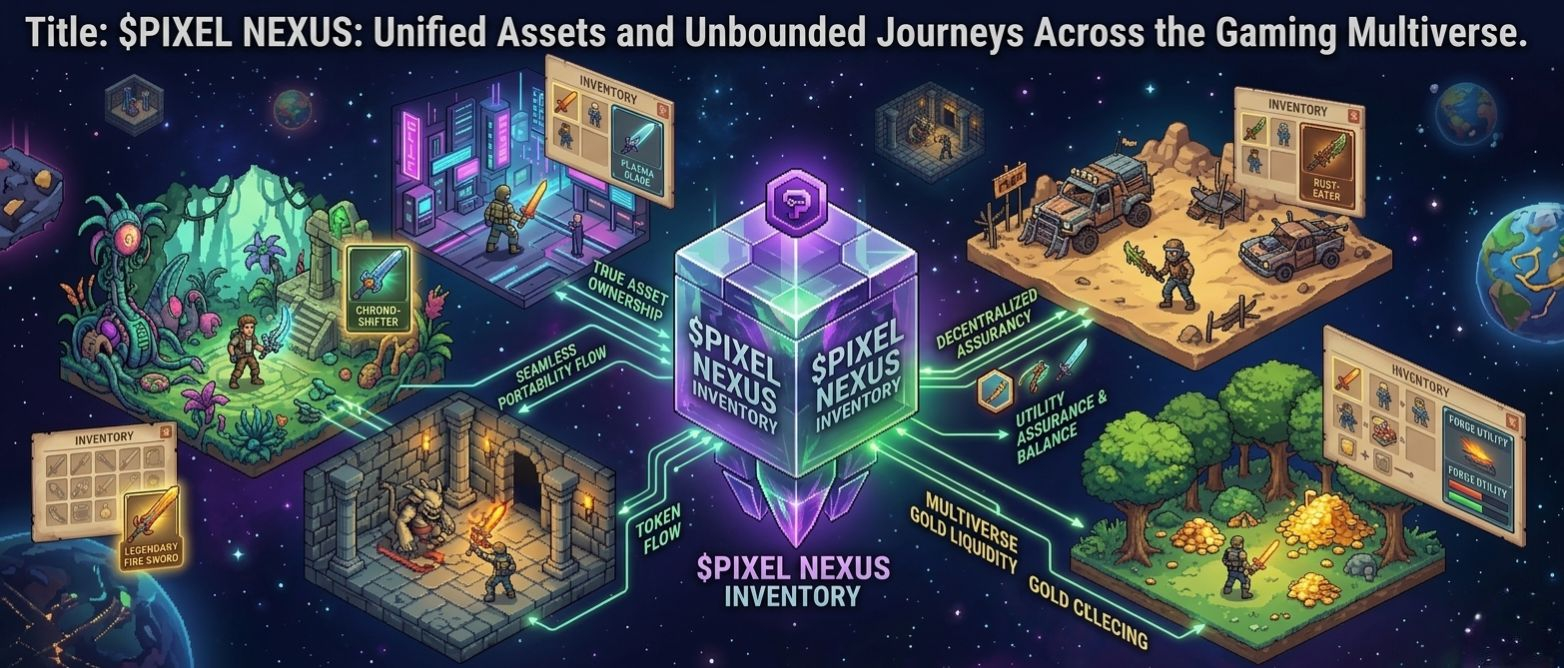
The Problem of Digital Silos Historically, game items were merely entries in a company's private database. You didn't "own" your sword; you had permission to use it. If the server shut down or the developer changed their mind, your inventory vanished. This lack of security has been the primary barrier to a truly immersive gaming multiverse. The concept dismantles these silos by treating your inventory as a portable, living part of your digital identity.
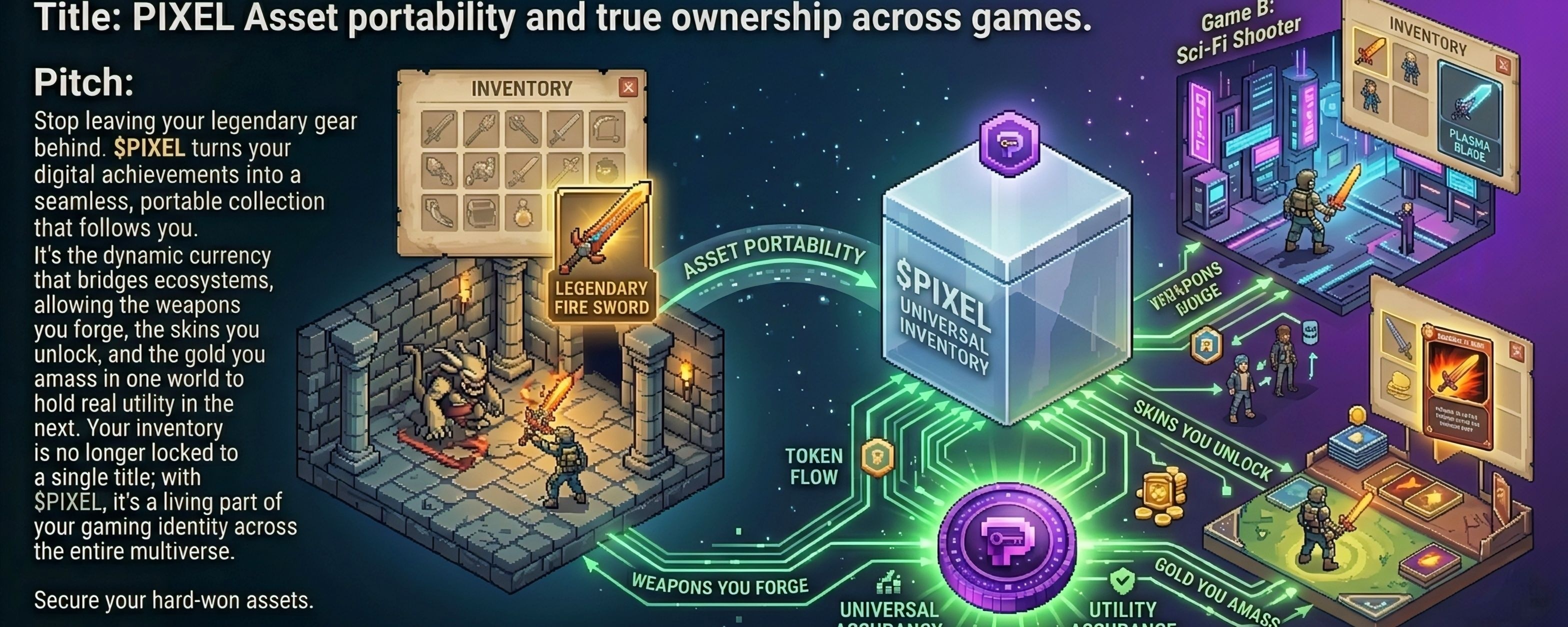
The Power of Universal InventoryAs seen in the architecture, the Universal Inventory acts as a cross-platform vault. This isn't just about moving a 3D model from one screen to another; it’s about carrying the utility and value of your achievements. Whether you are forging weapons in a medieval dungeon or amassing gold in a high-fantasy realm, these assets flow into a central hub. This hub ensures that your identity is consistent. You are no longer just a "Level 1" player in a new game; you are a seasoned traveler with a proven history and a collection of tools that reflect your skill.
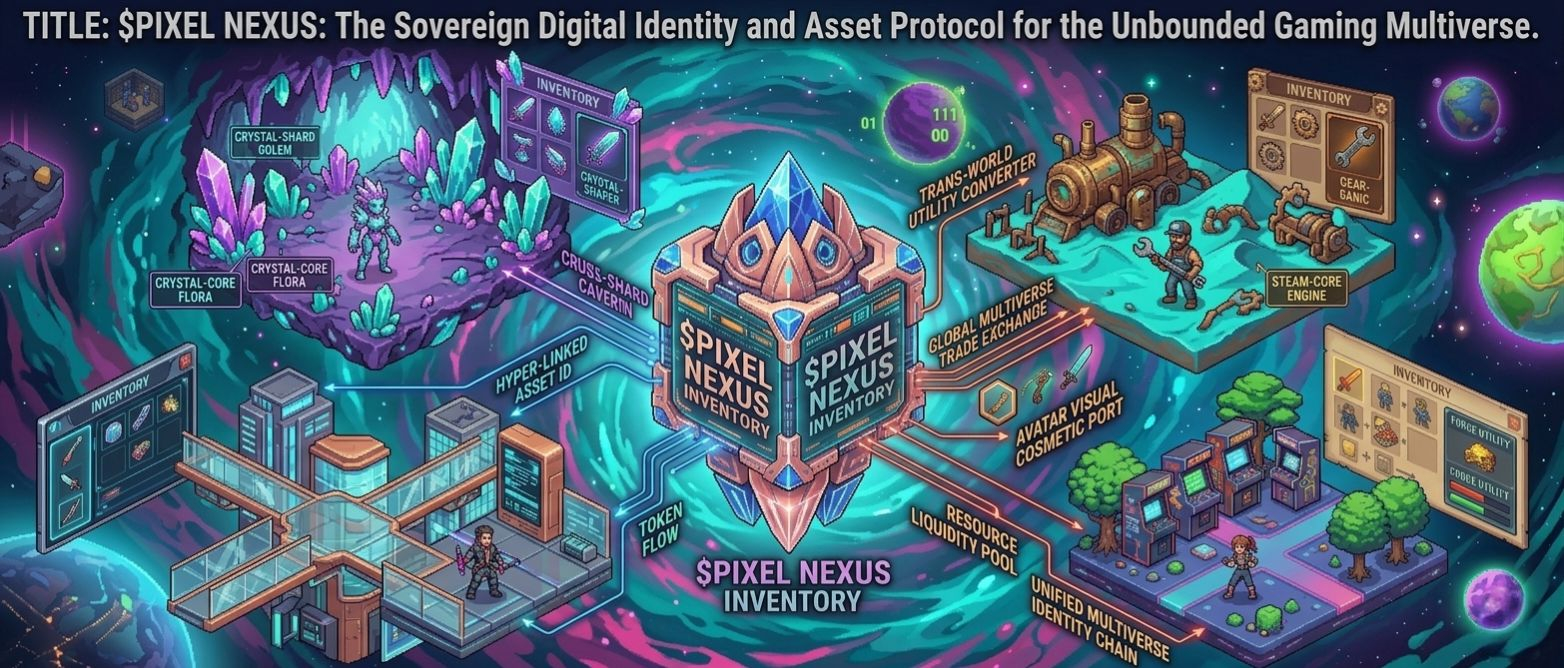
The defining challenge of a shared gaming multiverse is creating practical interoperability between vastly different game worlds and artistic styles. How does a crystal shard from a fantasy cavern function in a gritty steampunk setting? The answer lies in sophisticated systems like the Trans-World Utility Converter and the Hyper-Linked Asset ID.
As detailed in the NEXUS visual framework, asset utility is preserved across disparate environments. A Resource Liquidity Pool allows players to exchange and utilize materials like Crystal-Core Flora in multiple economies. Furthermore, the Avatar Visual Cosmetic Port allows for visual identity translation, ensuring that a character from the neon-lit Cyberpunk quadrant still maintains their recognizable aesthetic when operating a complex Steam-Core Engine. This is not a hypothetical scenario; it is the new standard for resource and identity management in modern gaming ecosystems.
The defining challenge of a shared gaming multiverse is creating practical interoperability between vastly different game worlds and artistic styles. How does a crystal shard from a fantasy cavern function in a gritty steampunk setting? The answer lies in sophisticated systems like the Trans-World Utility Converter and the Hyper-Linked Asset ID.
As detailed in the NEXUS visual framework, asset utility is preserved across disparate environments. A Resource Liquidity Pool allows players to exchange and utilize materials like Crystal-Core Flora in multiple economies. Furthermore, the Avatar Visual Cosmetic Port allows for visual identity translation, ensuring that a character from the neon-lit Cyberpunk quadrant still maintains their recognizable aesthetic when operating a complex Steam-Core Engine. This is not a hypothetical scenario; it is the new standard for resource and identity management in modern gaming ecosystems.
| @undefined | $PIXEL | #pixel |
