
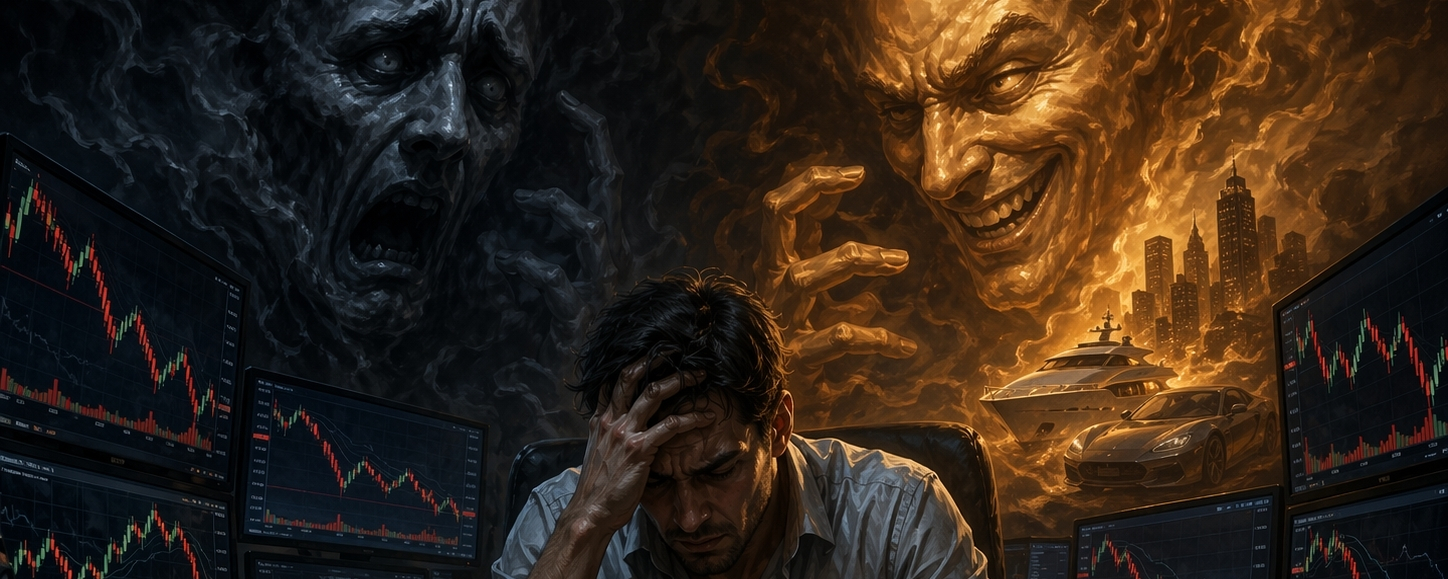
Psychological stress in trading is normal, but the important thing is not to let it control your decisions.
Never enter a trade without a plan. Before entering any trade, decide your entry point, exit point, stop-loss, and profit target. A clear plan reduces emotional pressure during market movement.
Risk only a small amount. Do not put a large portion of your capital into one trade. The bigger the amount, the greater the fear. Small and controlled risk helps you stay calm.
Accept that losses are part of trading. No trader wins all the time. A loss is not a personal failure; it is part of the process. Accepting this idea reduces stress significantly.
Do not revenge trade. After a loss, do not rush into random trades to recover your money. This usually increases both psychological and financial damage. Step back and return with a clear mind.
Avoid watching the screen all the time. Constant monitoring increases anxiety and may lead to unnecessary interference. Trust your plan and observe the market with discipline, not fear.
Focus on risk management more than profit. The goal is not to win every trade, but to survive and continue. Successful traders protect their capital first.
Write down your emotions after each trade. Ask yourself: Why did I enter? Was I afraid or greedy? Did I follow my plan? This helps you recognize your emotional patterns and improve over time.
Take breaks when needed. If you feel stressed, angry, or mentally exhausted, stop trading. Sometimes the best trading decision is not to trade.
Separate trading from your personal life. Good sleep, exercise, and reducing daily stress can improve your trading decisions. A tired mind often makes poor choices.
Focus on discipline, not quick profits. Profits come with time, but impatience creates fear and greed. Always ask yourself: Am I being disciplined, or am I reacting emotionally?
A very important rule is this: If a trade makes you feel extremely anxious, the risk is probably too high.
And here is a useful sentence to remind yourself: “I cannot control the market, but I can control my decisions.”