
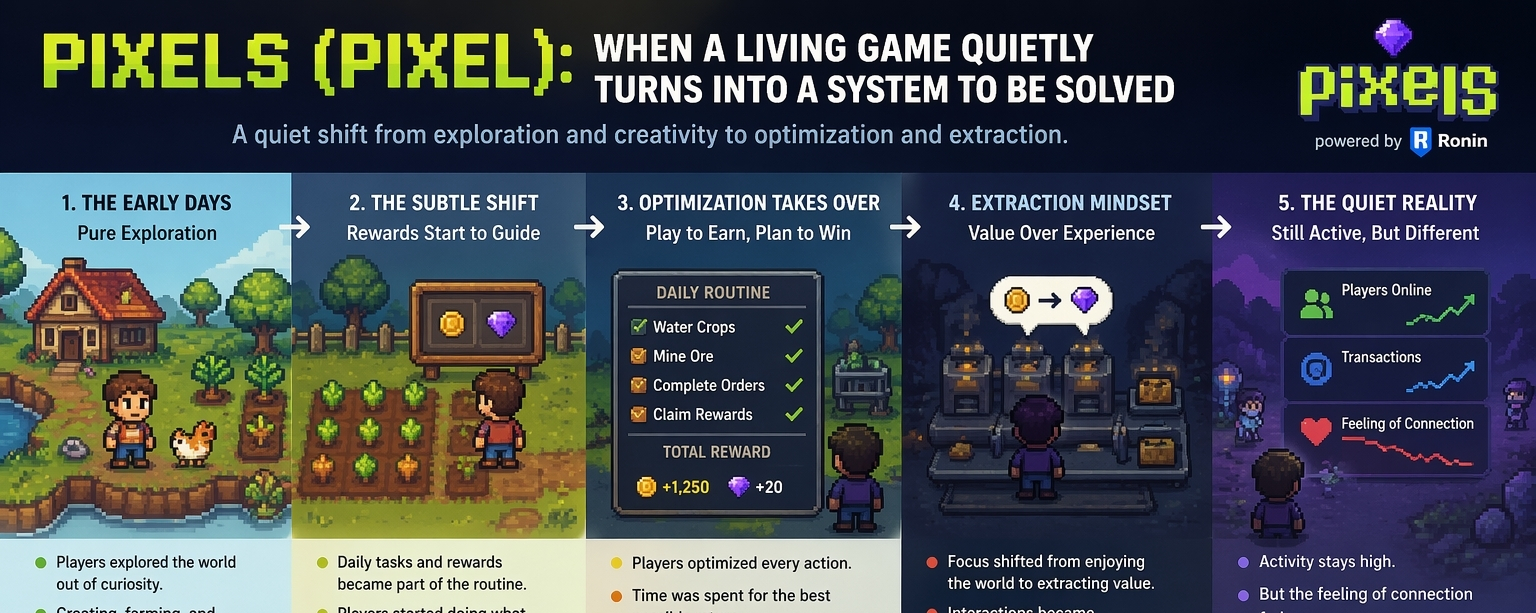
I’ve been spending more time than usual just observing how people move through Web3 games, and somewhere along the way I started to feel that the real story isn’t in the big announcements or sudden spikes, but in the quiet changes that slowly reshape everything. It’s not something you notice in a single moment. It builds gradually, almost gently, until one day the experience feels different and you can’t quite point to when it happened.
In the beginning, what stood out to me was how natural everything felt. There was a kind of simplicity in how players approached the game. People explored without a clear plan, tried things just to see what would happen, and spent time in the world without needing a reason beyond curiosity. It felt open, almost relaxed. You could sense that players were present in the experience, not thinking too far ahead, not measuring every action.
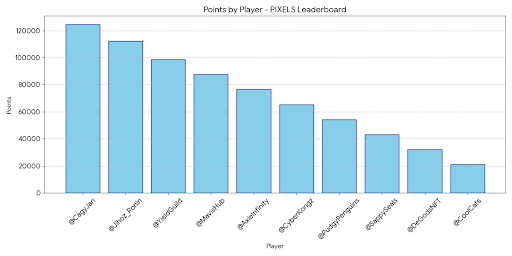
The shift was subtle, almost invisible at first. Over time, small patterns began to form. Tasks that were once optional started to feel necessary. Daily actions became routines. Players didn’t stop enjoying the game, but the way they engaged with it slowly changed. It started to feel more structured, more intentional. Not in a forced way, but in a way that made sense within the system itself.
What stood out to me was how rewards quietly guided this change. They didn’t demand anything directly, but they nudged behavior in certain directions. The more I watched, the more it became clear that players were adjusting without even thinking about it. Exploration became more focused. Creativity became more calculated. Decisions were no longer just about what felt interesting, but about what made sense to do.
Over time, it started to feel like the game was being approached differently. Not from inside the world, but slightly outside of it. Players began to see the system as something to work through rather than something to experience. Every action carried a purpose beyond the moment. It wasn’t just about playing anymore, it was about making each step count.

What looked like growth from the outside told a different story underneath. More activity, more engagement, more movement—but the feeling behind it had shifted. Interactions felt lighter, almost thinner. Players were still there, still active, but the connection to the world itself seemed less important than the outcomes they were working toward.
The more I observed, the more the pattern became clearer. Incentives didn’t just influence behavior, they slowly redefined it. And once that new behavior became normal, it started to shape the entire environment. New players would enter and naturally follow what they saw. They didn’t need to be told how to play, the system and the community showed them.
It started to feel like a quiet loop. The system encouraged efficiency, players adapted to it, and that adaptation reinforced the system. Nothing felt broken. Everything still worked. But the experience itself became more predictable, more controlled. There was less space for randomness, less room for simply being in the game without a goal.
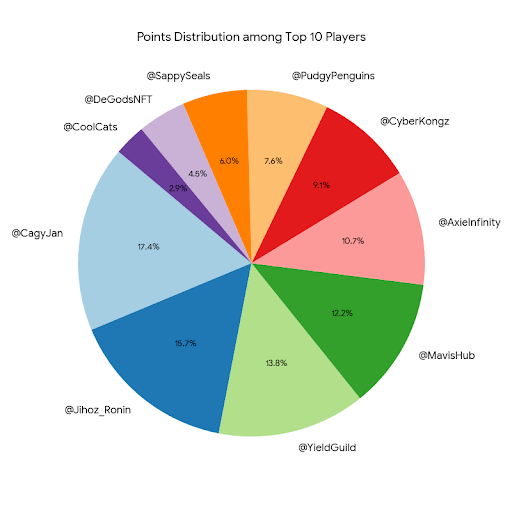
Underneath it all, there was a kind of quiet tension. The system depended on players continuing to engage in a certain way, but that way of engaging was slowly becoming more extractive. People were taking value out more deliberately, more consistently. And while that didn’t cause immediate problems, it created a kind of imbalance that wasn’t obvious right away.
What stood out to me most was how silent this process was. There were no clear warning signs, no dramatic changes. Just a steady drift. The world still looked the same, the mechanics still functioned, but the feeling of being part of something alive began to fade. It became more about movement than meaning, more about outcomes than experience.
Over time, it started to feel like players weren’t really inside the game anymore. They were interacting with it, using it, moving through it—but not fully immersed in it. The difference is hard to describe, but easy to sense if you pay attention long enough.
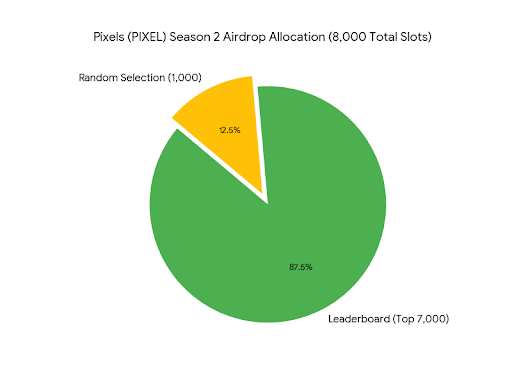
And maybe that’s the part that stayed with me the most. Not that anything collapsed or failed in an obvious way, but that everything continued just enough to keep going. The system didn’t break, it slowly changed direction. And if you were part of it the whole time, the shift felt normal.
It’s only when you step back, even slightly, that you begin to notice how much has quietly moved. Not in a dramatic way, not in a way that demands attention, but in a way that gently reshapes the entire experience until it no longer feels like it once did.