
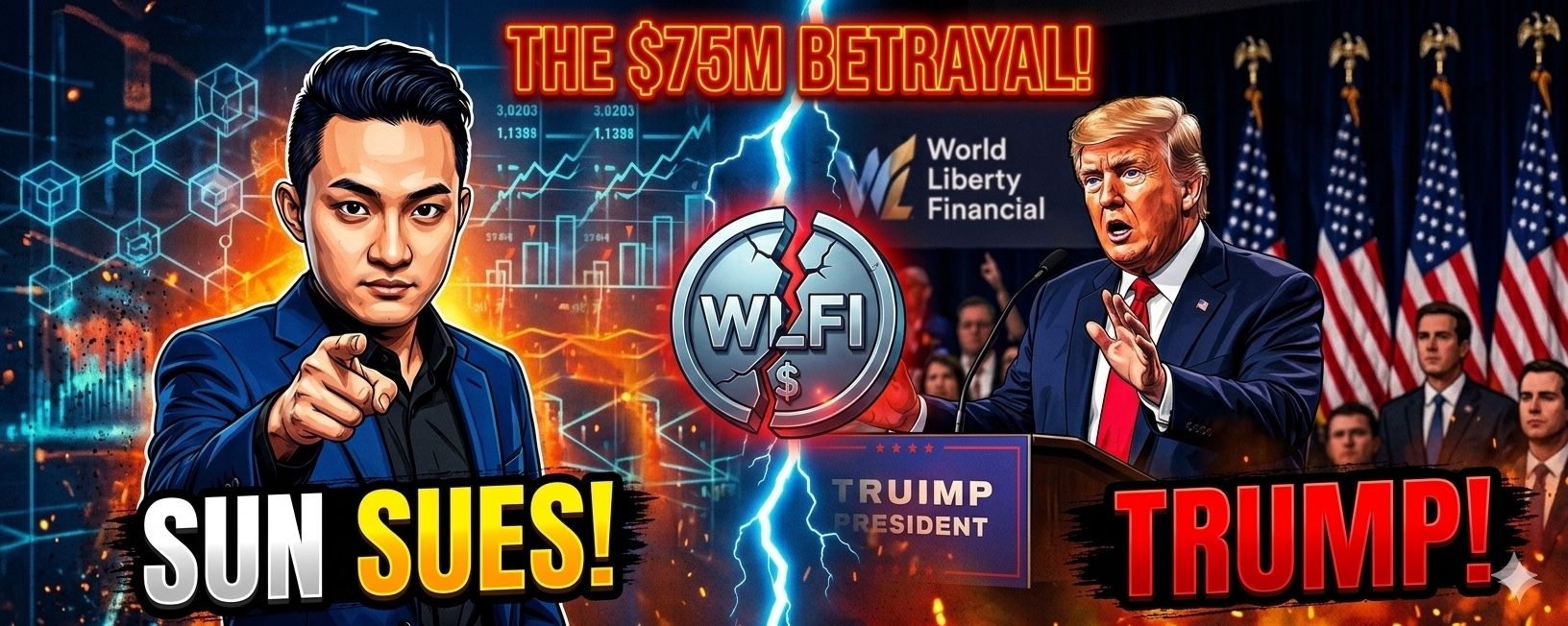

The Crypto Civil War: Justin Sun vs. World Liberty Financial
In a move that has sent shockwaves through both the halls of Washington and the digital ledger of the blockchain, Tron founder Justin Sun has officially filed a lawsuit against World Liberty Financial (WLFI)—the crypto venture closely tied to President Donald Trump and his family.
Once the project's most vocal cheerleader and its single largest investor, Sun is now alleging extortion, breach of contract, and the existence of a "secret backdoor" used to freeze his assets.
The Core Allegations
The lawsuit, filed in a California federal court on April 21, 2026, paints a picture of a partnership gone south. Sun’s primary claims include:
The "Blacklist" Function: Sun alleges that WLFI secretly embedded administrative powers into their smart contracts, allowing them to unilaterally freeze user wallets. He claims he was the "first victim," with over $75 million in tokens currently locked.
Extortion Tactics: The complaint suggests that WLFI leadership pressured Sun to use his Tron blockchain to promote their USD1 stablecoin and tried to "extract" further equity investments under the threat of burning his existing tokens.
Financial Distress: In a startling claim, Sun suggests that World Liberty Financial is "on the verge of collapse" and lacks sufficient reserves to back its stablecoin, calling the project's management "World Tyranny."
Impact and Market Implications
The fallout from this legal battle extends far beyond the two individuals involved. It touches on the very intersection of executive power and decentralized finance.
1. The Decentralization Paradox
The biggest irony of the lawsuit is the allegation of a "backdoor blacklisting function." For a project marketed under the banner of "financial liberty," the ability for a central authority to freeze tokens at will undermines the core ethos of DeFi (Decentralized Finance). If proven true, it could lead to a massive exodus of users from Trump-linked crypto platforms.
2. Political & Regulatory Scrutiny
With Donald Trump currently serving as President, this lawsuit creates a unique ethical minefield.
The White House maintains the President has "no involvement" in family business deals, the lawsuit brings unwanted attention to the administration's "crypto-friendly" regulatory environment. Critics are already pointing to the irony of the SEC dismissing cases against other crypto giants while the President's own venture is embroiled in an extortion suit.
3. Market Volatility
The WLFI token has already seen a significant price drop following the news, sliding toward new lows.
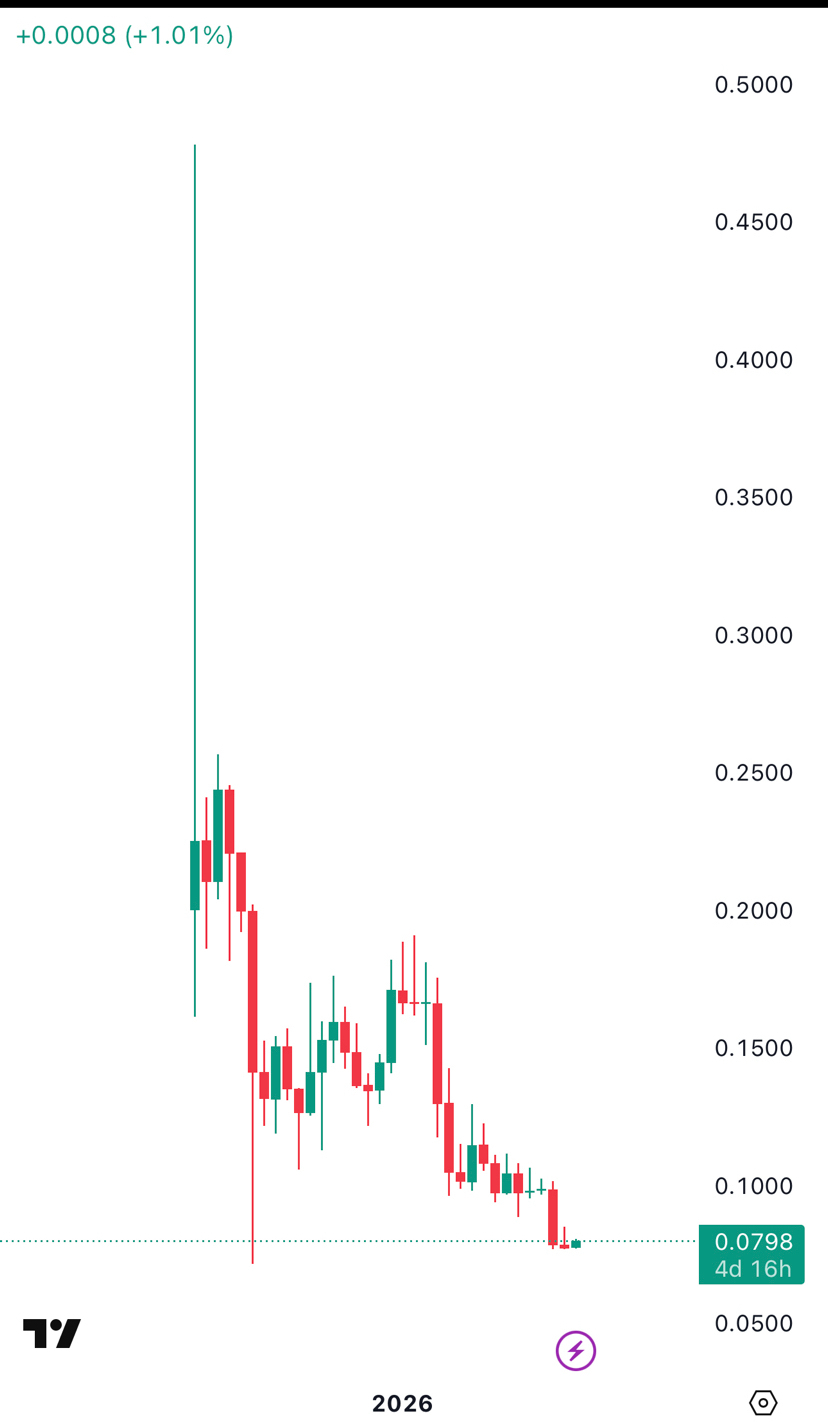
Furthermore, the stability of the USD1 stablecoin is now under a microscope. If Sun’s claims regarding "insufficient reserves" hold water, we could see a contagion effect similar to previous stablecoin de-pegging events, affecting the broader crypto market.
4. The "Sun" Factor
Justin Sun is no stranger to controversy or litigation, having recently settled his own multi-million dollar dispute with the SEC. By positioning himself as a "defender of token holder rights," Sun is attempting to pivot from a scrutinized mogul to a champion of decentralized ethics—even if his primary goal is recovering his $75 million.
Bottom Line: This isn't just a business dispute; it’s a test of whether "DeFi" ventures backed by political heavyweights can actually remain decentralized, or if they are simply traditional power structures dressed in new code.
The legal battle is expected to be long, messy, and extremely public. As the WLFI team famously retorted on social media: "See you in court, pal."
Is this the beginning of the end for the Trump family's crypto ambitions, or just another Tuesday in the volatile world of Justin Sun?
#JustinSunSuesWorldLibertyFinancial #JointEscapeHatchforAaveETHLenders