
Introduction
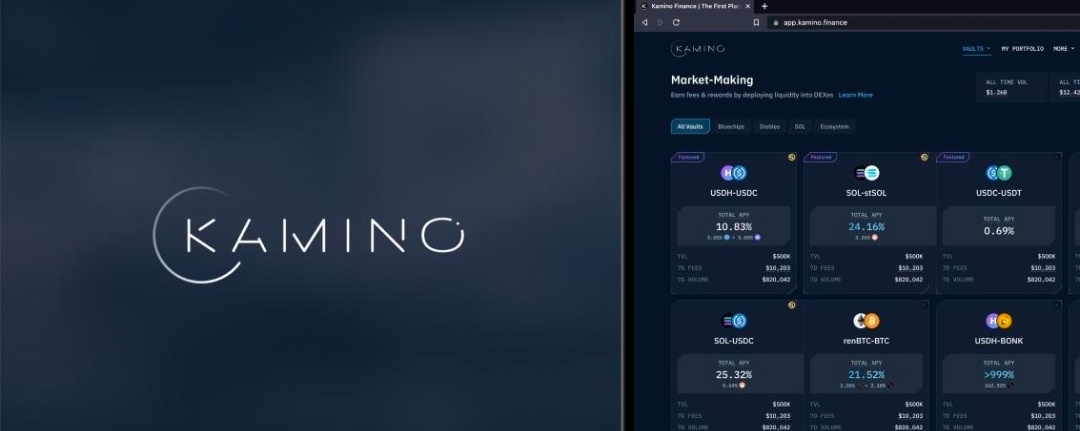
As decentralized finance continues to evolve, Kamino Finance has emerged as a standout protocol within the Solana ecosystem. Rather than focusing on a single service, Kamino combines multiple DeFi primitives—liquidity provision, lending, and leverage—into one seamless platform. This integrated approach reduces friction for users and improves capital efficiency.
What Is Kamino Finance?
Kamino Finance is a Solana-based DeFi protocol designed to simplify and optimize how users interact with decentralized markets. Instead of switching between different platforms for lending, liquidity provision, or trading, users can perform all these actions within Kamino.
Launched in 2022, the protocol introduced Automated Liquidity Vaults and later expanded with its lending market (K-Lend) and advanced leverage tools. Its risk engine, known as KRAF (Kamino Risk Assessment Framework), helps users monitor exposure and market risks in real time.
Core Features of Kamino Finance
1. Automated Liquidity Vaults
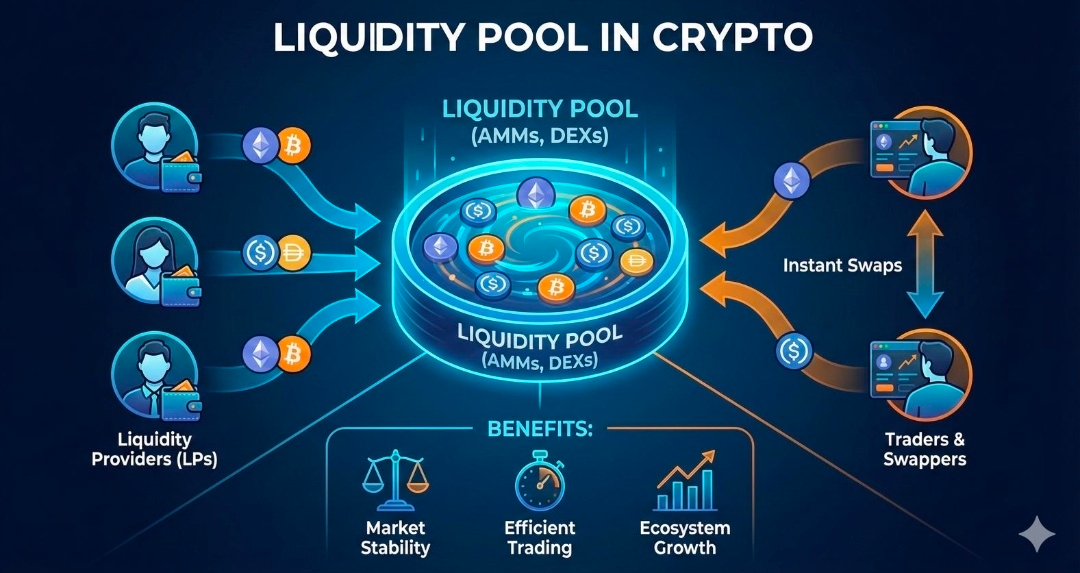
Kamino’s vaults allow users to deposit assets into managed liquidity pools. These vaults automatically:
Rebalance positions
Optimize yields
Compound rewards
In return, users receive kTokens, which:
Represent their share of the vault
Generate yield over time
Can be reused as collateral
This automation removes the need for constant manual management, making DeFi more accessible.
2. K-Lend: Lending and Borrowing
K-Lend is Kamino’s lending protocol, enabling:
Lending assets to earn interest
Borrowing assets using collateral
It uses a dynamic interest rate model, meaning rates adjust based on supply and demand.
K-Lend also powers advanced strategies:
Multiply: Automatically loops borrowing and lending to increase exposure
Long/Short: Enables directional trading strategies
3. Leverage and eMode
Kamino supports leveraged positions:
Up to ~4x under standard conditions
Up to 10x leverage using eMode
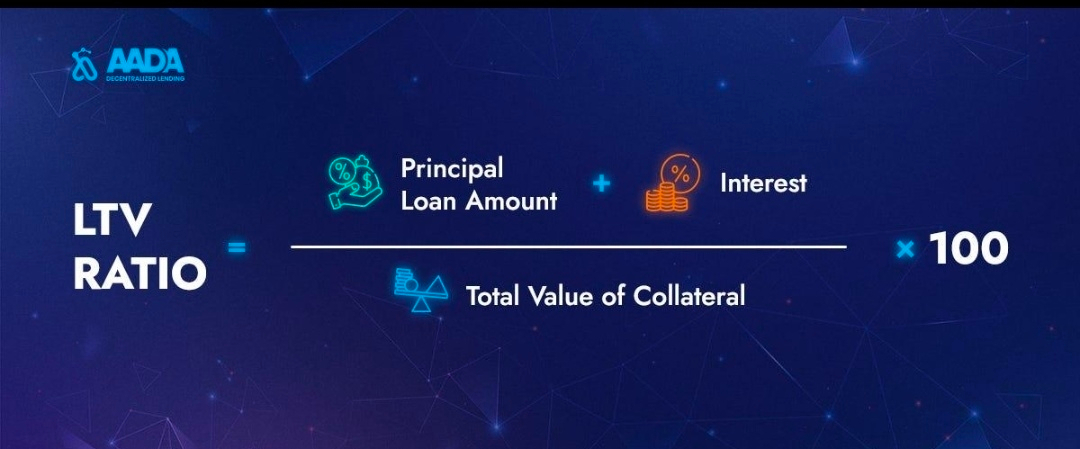
eMode (Enhanced Mode) allows higher loan-to-value ratios (up to 90%) for correlated assets like SOL and liquid-staked SOL derivatives.
While leverage increases potential returns, it also significantly raises liquidation risk—making risk management essential.
What Is KMNO Token?
The KMNO token is the native utility token of Kamino Finance.
Key Utilities:
Governance: Vote on protocol upgrades and changes
Future incentives: Potential staking rewards and fee discounts
Token Overview:
Max Supply: 10 billion
Circulating Supply: ~4.47 billion
Distribution:
60% → Community rewards
20% → Team (vested)
10% → Investors
10% → Ecosystem growth
Why Kamino Finance Stands Out
Kamino’s biggest innovation lies in composability:
Deposit into vault → Receive kTokens
Use kTokens as collateral → Borrow assets
Use borrowed funds → Open leveraged positions
This creates a loop of capital efficiency, allowing users to maximize returns without leaving the platform.
Risks to Consider
Despite its advantages, Kamino carries typical DeFi risks:
Smart contract vulnerabilities
Market volatility
Liquidation risk from leveraged positions
Oracle failures
Even with audits and risk dashboards, no DeFi protocol is completely risk-free.
How to Use Kamino Finance
To get started:
1. Visit the Kamino Finance app
2. Connect a Solana wallet (e.g., Phantom)
3. Deposit assets into a vault
4. Monitor positions via the dashboard
Conclusion
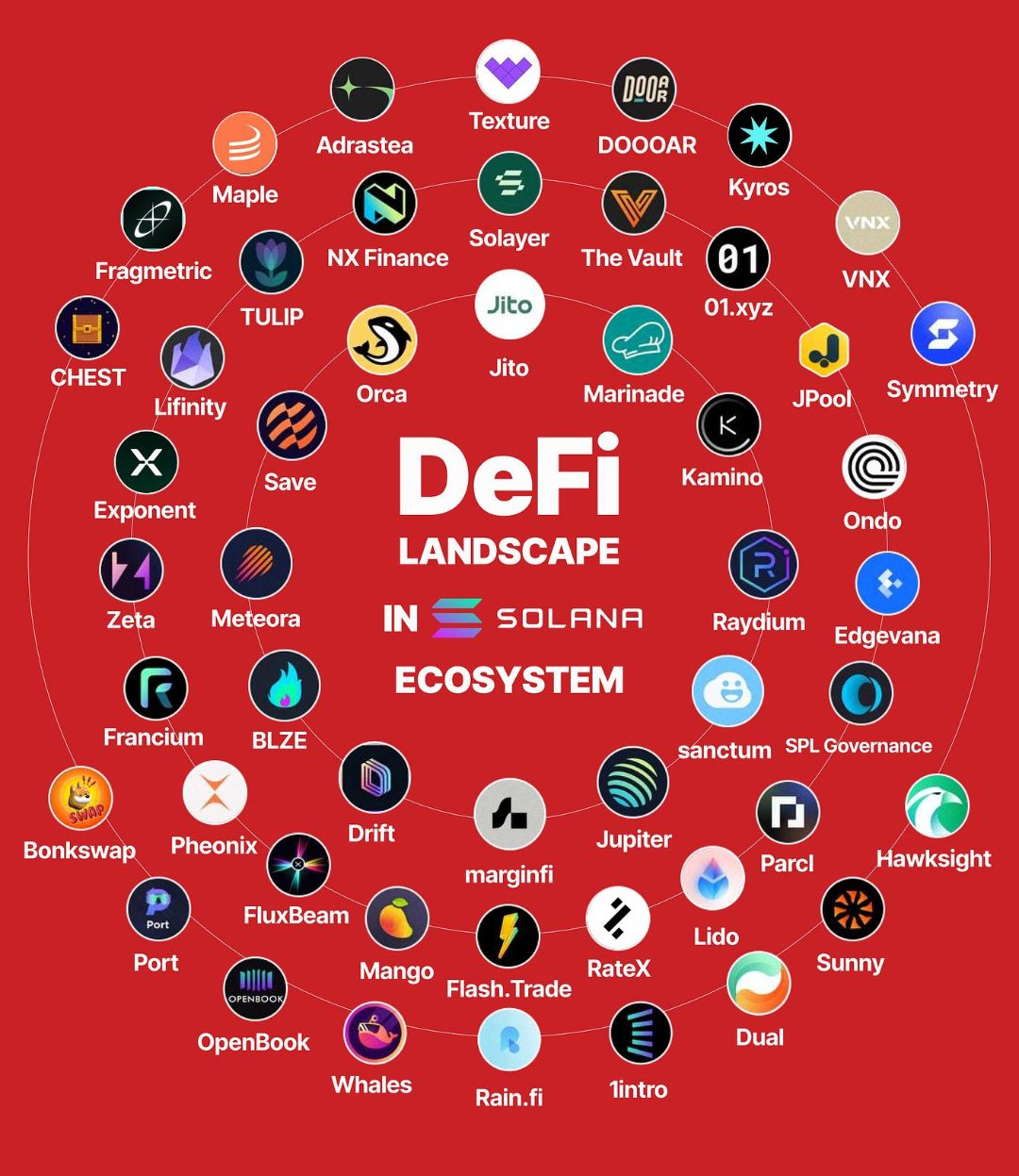
Kamino Finance represents a new generation of DeFi platforms—ones that prioritize integration, efficiency, and user experience. By combining lending, liquidity provision, and leverage into a single ecosystem, it simplifies complex strategies while unlocking powerful financial opportunities.
Still, like any DeFi protocol, it requires careful risk management and informed decision-making. For users seeking a more advanced and capital-efficient DeFi experience on Solana, Kamino Finance is certainly worth exploring.