
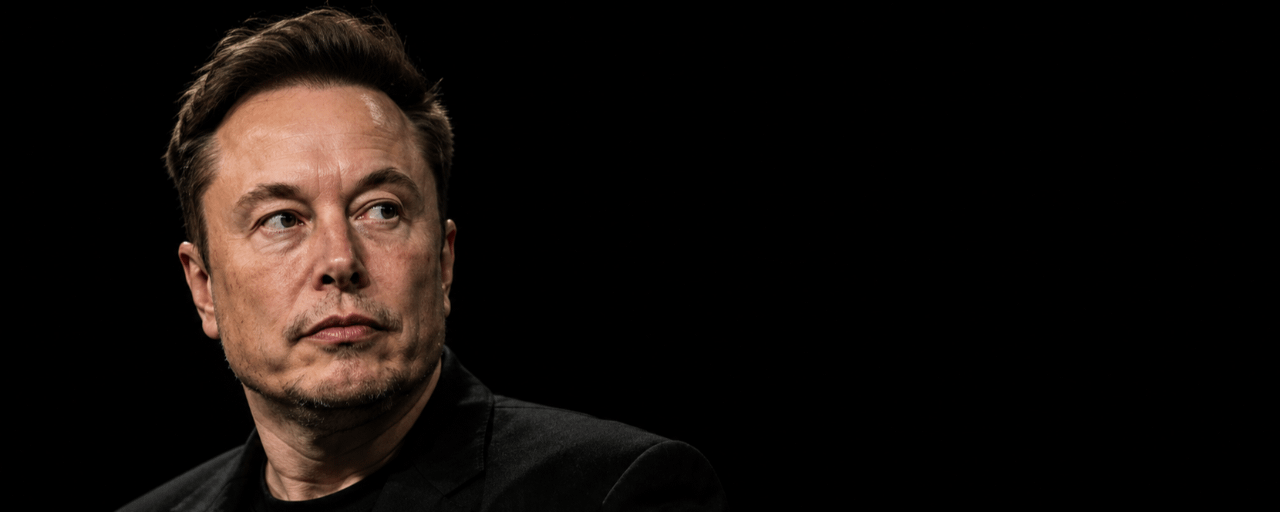

The legal dispute between Elon Musk and OpenAI has reached a decisive moment—for now. A jury rejected Musk’s key claims in under two hours, siding with Sam Altman, Greg Brockman, and tech giant Microsoft, which was also named in the lawsuit.
Swift verdict after weeks of hearings
The decision followed a three-week trial in Oakland, California, where Musk attempted to prove that OpenAI had strayed from its original mission. Judge Yvonne Gonzalez Rogers upheld the jury’s conclusion, ruling that neither OpenAI nor its leadership bore legal responsibility.
She also dismissed additional claims, including breach of charitable trust and unjust enrichment, citing that they had been filed too late.
Musk’s argument: from nonprofit to profit-driven
Musk filed the lawsuit in 2024, arguing that OpenAI was originally founded as a nonprofit dedicated to developing AI for the benefit of humanity. According to him, the organization later shifted toward a profit-oriented model.
He stated that he invested around $38 million based on that original vision. His legal team accused OpenAI’s leadership of effectively “turning a charity into a business” for personal gain.
Massive financial demands
The stakes were enormous. Musk’s lawyers sought up to $134 billion in what they described as improperly obtained profits from OpenAI and Microsoft.
The lawsuit also called for:
🔹 Removal of Sam Altman and Greg Brockman from leadership
🔹 Reversal of OpenAI’s 2025 restructuring
🔹 Return of all funds to a charitable structure
Musk emphasized that he was not seeking personal profit, but rather a restoration of the organization’s original mission.
Key issue: lack of hard evidence
A major weakness in Musk’s case was the absence of formal documentation. He failed to present any binding agreement that would permanently require OpenAI to remain a nonprofit.
Instead, his legal team relied on emails, internal communications, and early discussions. Ultimately, the jury found OpenAI’s version of events more convincing.
OpenAI’s defense: AI development is costly
OpenAI’s lawyers argued that while Musk contributed funding, he did not impose legally binding restrictions on how the organization should operate.
They also emphasized the immense cost of developing advanced AI—requiring capital, computing power, engineering talent, and cloud infrastructure. Without restructuring, OpenAI would not have been able to compete with players like Google DeepMind.
Interestingly, the defense also pointed to Musk’s own past statements, noting that he had previously considered a for-profit structure—provided he retained control—and had even explored integrating OpenAI into Tesla.
Microsoft cleared of wrongdoing
Microsoft, which invested heavily in OpenAI starting in 2019, was also accused by Musk of enabling the alleged violations.
The court dismissed these claims as well, effectively removing Microsoft from the case.
What comes next?
Following the ruling, OpenAI’s legal team celebrated the outcome, while Musk’s lawyers confirmed that an appeal remains possible.
Although the legal battle may not be entirely over, the verdict represents a significant setback for Musk—and a pivotal moment for the broader AI industry.
#ElonMusk , #OpenAI , #Tesla , #AI , #INNOVATION
Stay one step ahead – follow our profile and stay informed about everything important in the world of cryptocurrencies.
Disclaimer:
The information and opinions presented in this article are for informational and educational purposes only and should not be considered financial or investment advice. Nothing on this page constitutes a recommendation to buy or sell any assets. Cryptocurrency investments are inherently risky and may result in financial loss. Always do your own research before making any investment decisions.