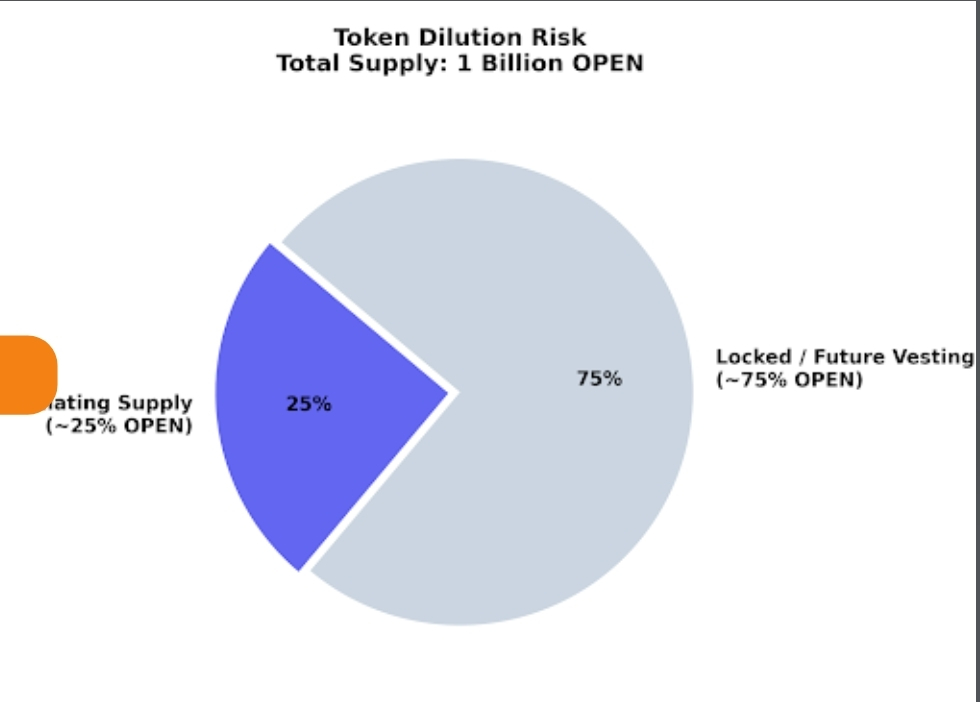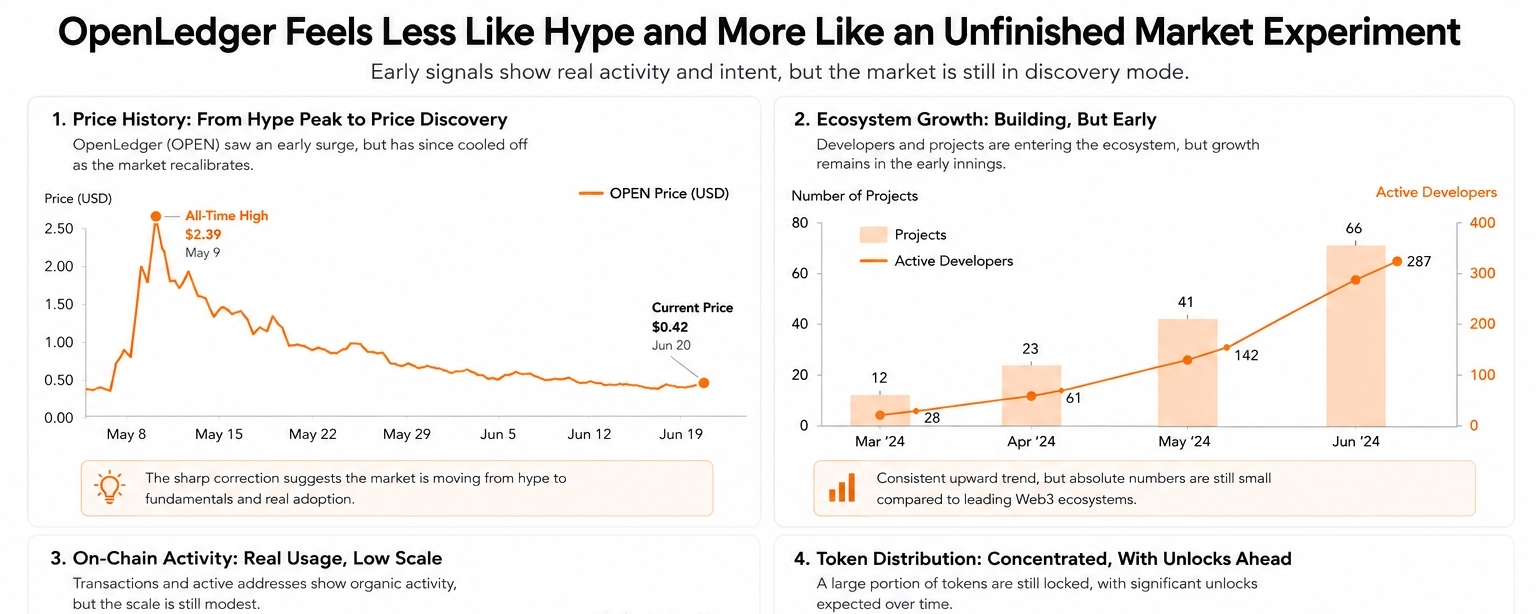

OpenLedger feels like one of those projects that shows up quietly while the market is distracted chasing louder narratives. I’ve seen too many AI + crypto combinations already, and most of them collapse into the same recycled pitch after five minutes. Big promises, vague utility, forced excitement. Eventually the hype burns out and nobody remembers what problem they were even trying to solve. 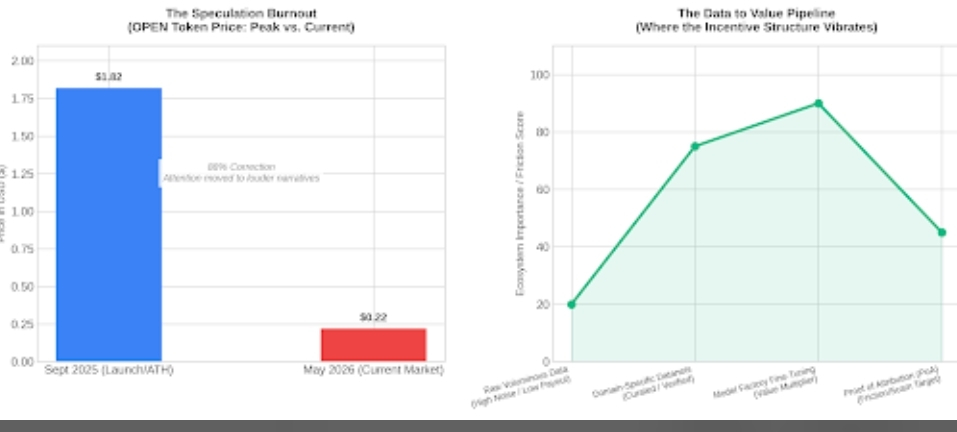
That’s why I didn’t rush into this one.
I kept looking at it from a distance first. Mostly because the core idea sits in a place the industry still hasn’t figured out properly. AI systems are consuming data constantly, models are being trained from invisible contributions, and the people creating value underneath rarely capture much of it. Everyone talks about ownership now, but ownership becomes messy once AI starts pulling from everywhere at once.
That’s the part OpenLedger seems focused on. Not just building another AI chain for the sake of the trend, but trying to create liquidity around data, models, and agents themselves. And honestly, that sounds easier in theory than it probably is in reality.
Because markets don’t automatically reward useful things.
People in crypto love saying “tokenize it” like that solves the hard part. It doesn’t. Once money gets attached to contribution systems, behavior changes fast. Spam appears. Incentives break. Attribution turns political. Everyone wants rewards, but nobody agrees on what should actually be valuable. Good ideas can drown inside bad market structure.
That tension is what makes OpenLedger interesting to watch.
Not because it feels guaranteed. Actually the opposite. It feels risky in a very real way. The project is trying to build around a problem that definitely exists, but the market still hasn’t decided how much it cares about solving it. Most users don’t wake up thinking about decentralized AI ownership models. Traders definitely don’t. Attention moves too fast for that.
Still, I can’t ignore the pattern forming underneath all this AI noise. Data is becoming an asset whether people like it or not. Models have value. Agents probably become another layer of digital labor eventually. Somebody is going to try building systems around that reality. The only question is whether the infrastructure arrives before the speculation destroys the conversation completely.
And maybe that’s why OpenLedger keeps staying on my radar longer than most projects do.
It doesn’t feel polished enough to fully trust. But it also doesn’t feel empty enough to dismiss. That middle ground is rare now. Most projects are either pure hype machines or dead on arrival. This one feels like it’s still fighting through what it actually wants to become.
Maybe it works. Maybe adoption becomes harder than expected and the market moves on before the system matures. That happens all the time here. Useful technology gets ignored while useless things pump for months.
But sometimes the projects worth paying attention to are the ones that don’t immediately sound comfortable. The ones sitting inside unresolved problems instead of pretending they already solved them.
That’s probably why I’m still watching OpenLedger instead of forgetting it like the hundred other AI narratives floating around this cycle.