


Artificial intelligence is entering a new phase where applications are no longer limited to simple chatbots or centralized systems controlled by a handful of companies. The next evolution of AI will likely be driven by autonomous agents, decentralized infrastructure, and transparent data economies. In this changing landscape, platforms like openledger.xyz are positioning themselves as important foundations for the future of AI-powered ecosystems.
Today, most AI models depend heavily on centralized infrastructure. Large corporations own the datasets, computing resources, and distribution networks that power modern AI systems. While this model has accelerated innovation, it also creates major concerns around ownership, privacy, monetization, and fairness. Developers often contribute valuable data or applications without receiving long-term rewards, while users rarely know how their data is being utilized behind the scenes.
This is where decentralized AI infrastructure becomes important. OpenLedger introduces a framework where developers, users, and data contributors can all participate in building and benefiting from AI ecosystems. Instead of concentrating control in one company, decentralized systems distribute ownership and incentives across the network. This could fundamentally reshape how AI applications and agents are created, trained, and monetized in the years ahead.
One of the most exciting aspects of OpenLedger is its focus on AI agents. AI agents are autonomous systems capable of performing tasks, making decisions, interacting with applications, and even collaborating with other agents. Unlike traditional software that waits for instructions, AI agents can operate continuously with minimal human intervention. In the future, these agents may handle trading, research, customer support, gaming economies, social media management, education, and countless other tasks.
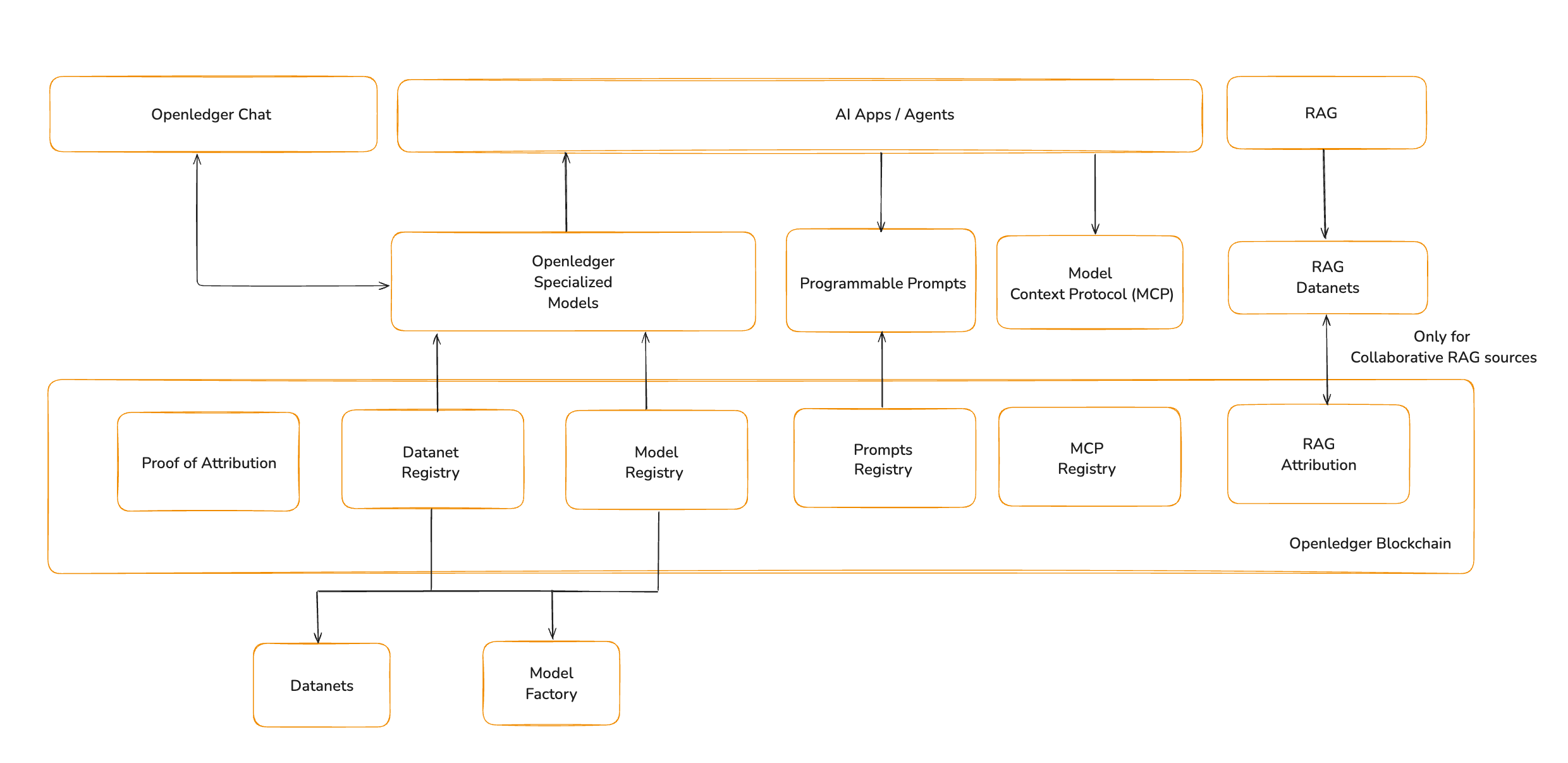
The success of AI agents depends on reliable access to data, transparent reward mechanisms, and scalable infrastructure. OpenLedger aims to provide exactly that. By combining blockchain technology with AI infrastructure, the platform creates an environment where agents can operate with verifiable transparency and programmable incentives. Developers may eventually build AI agents that can earn, spend, and interact across decentralized ecosystems without relying on centralized intermediaries.
Another major issue in the current AI industry is data ownership. High-quality data is one of the most valuable resources in artificial intelligence, yet contributors are rarely compensated fairly. OpenLedger introduces the possibility of on-chain attribution and reward systems where contributors can be recognized and incentivized for the data they provide. This creates a stronger economic model for sustainable AI development while encouraging higher-quality datasets across the ecosystem.
The future of AI apps will likely revolve around personalization and autonomy. Instead of downloading static applications, users may interact with adaptive AI systems capable of learning preferences and evolving over time. OpenLedger’s decentralized framework could support this transition by enabling secure interactions between users, applications, and AI models while reducing dependence on centralized servers.
Transparency is another key advantage of decentralized AI infrastructure. Many users today are concerned about how AI systems are trained and how decisions are made. Black-box AI models often create uncertainty around bias, manipulation, and trust. Platforms like OpenLedger aim to introduce greater visibility into how models are trained, how datasets are sourced, and how rewards are distributed. This transparency may become increasingly important as AI systems gain more influence in finance, healthcare, education, and online communication.
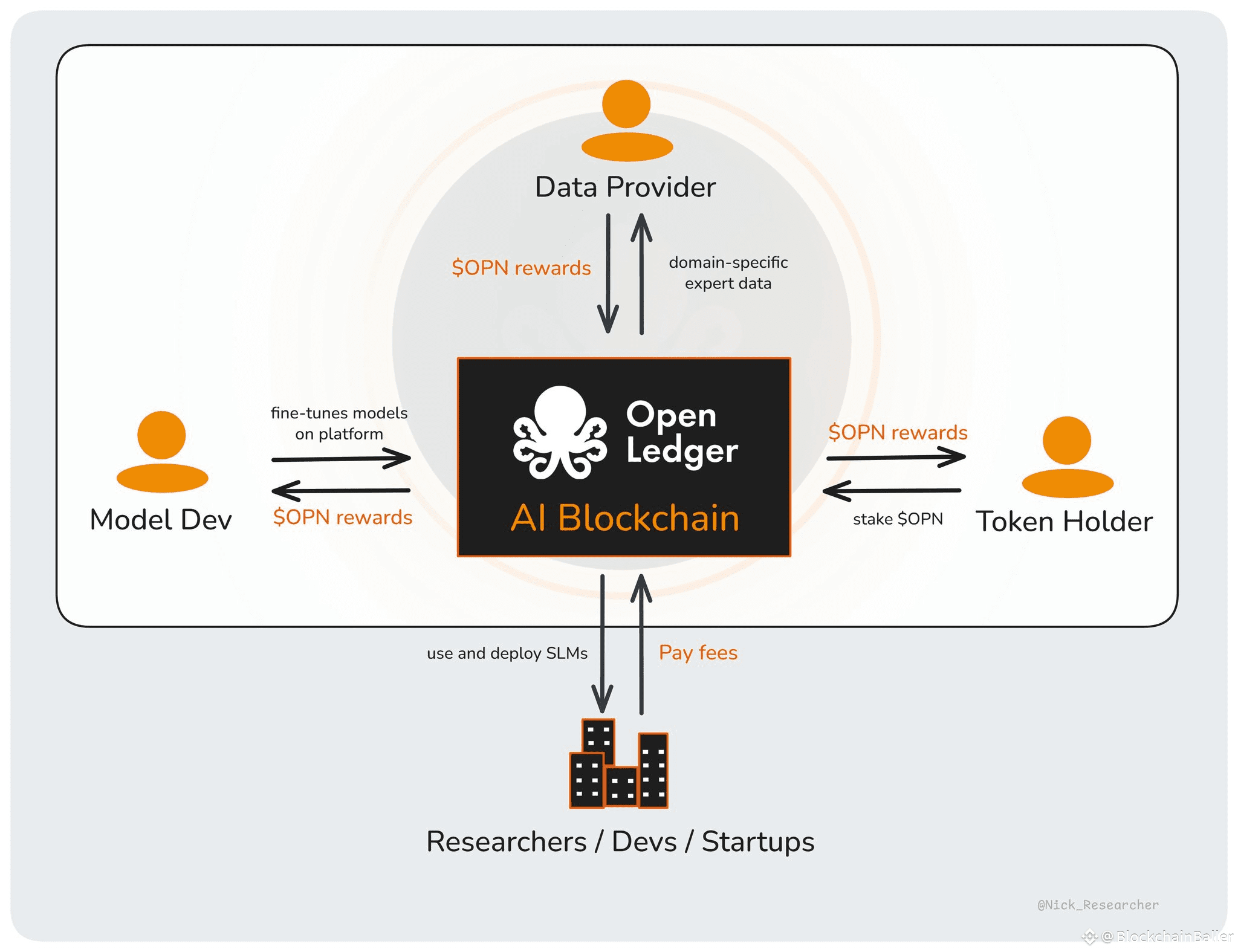
The rise of AI-powered economies could also accelerate the demand for decentralized infrastructure. AI agents may eventually participate directly in digital markets by executing trades, managing digital assets, or purchasing services autonomously. In such a world, blockchain networks provide an efficient settlement layer while platforms like OpenLedger offer the intelligence layer needed for autonomous coordination between agents and applications.
Another important factor is interoperability. Future AI ecosystems will likely involve thousands of independent applications and agents interacting simultaneously across multiple networks. OpenLedger’s infrastructure could help developers create systems where AI agents communicate, exchange information, and collaborate seamlessly. This may unlock entirely new categories of decentralized applications that are impossible within isolated centralized ecosystems.
Community-driven innovation is also a powerful advantage. Decentralized platforms often evolve faster because builders from around the world can contribute openly. Instead of relying on a single corporate roadmap, ecosystems like OpenLedger benefit from collaborative development and experimentation. This environment could lead to rapid innovation in AI tooling, decentralized training methods, and autonomous applications.
However, challenges still remain. Decentralized AI infrastructure is still in its early stages, and scalability, regulation, security, and adoption will all play critical roles in determining long-term success. Competing with centralized AI giants will not be easy, especially as major technology companies continue investing billions into proprietary systems. OpenLedger and similar projects must prove that decentralized alternatives can offer real utility, efficiency, and sustainable growth beyond narrative hype.
Despite these challenges, the long-term potential remains significant. The convergence of AI and blockchain technology may become one of the defining technological trends of the next decade. As users increasingly demand transparency, ownership, and fair incentives, decentralized AI ecosystems could gain strong momentum.
OpenLedger represents a broader shift toward open and collaborative AI infrastructure where value is shared across participants instead of concentrated within centralized platforms. If adoption continues to grow and real-world utility expands, AI apps and autonomous agents built on decentralized networks may eventually become a core part of the global digital economy.
The future of AI may not belong solely to centralized corporations. It could belong to open ecosystems where developers, users, and intelligent agents work together in transparent, decentralized environments — and platforms like OpenLedger are aiming to build that future.
