
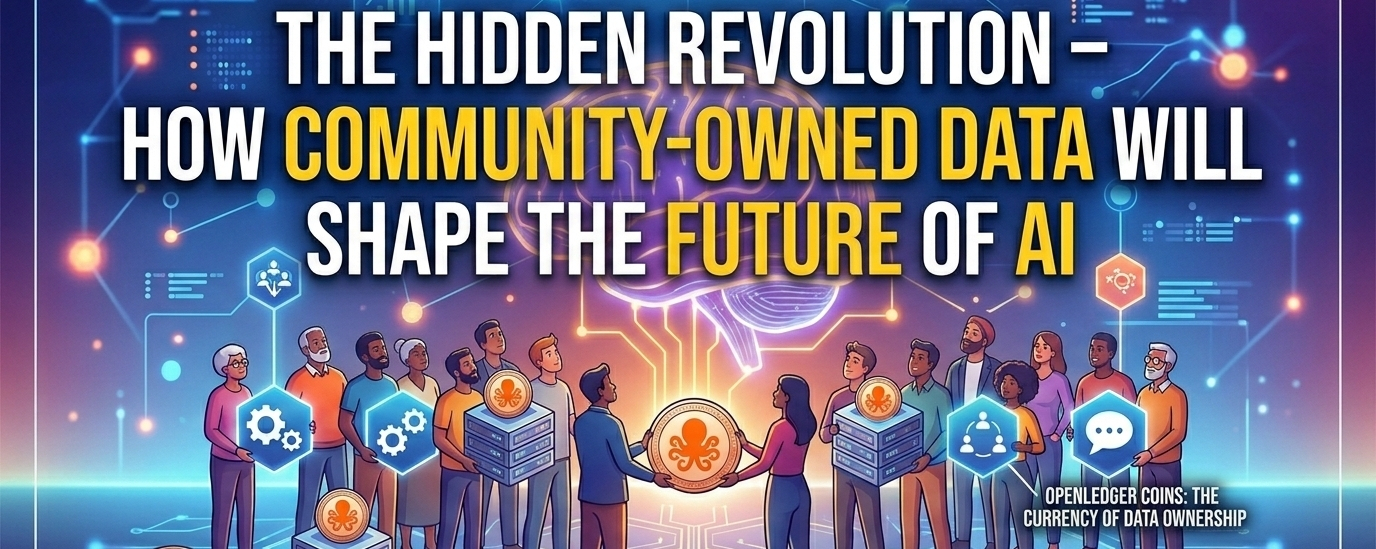
In the shadows of today’s AI revolution, a quiet crisis has been unfolding.
Every day, millions of people create content, share knowledge, post photos, write reviews, and document their lives online. This massive river of human intelligence flows straight into the servers of a few powerful corporations. They train their models, release groundbreaking tools, and generate billions in revenue.
But the creators — the very source of that intelligence — receive almost nothing in return. No credit. No ownership. No fair share.
This extractive system has given us impressive models, yet they hallucinate facts, carry deep biases, and feel strangely disconnected from real human experience in many parts of the world.
That is… until now.
Enter @OpenLedger — a project that is rewriting the entire script of how AI should be built.
Chapter 1: The Breaking Point
I’ve spent years watching the crypto and tech space, and one truth has become crystal clear: data is the new oil. Whoever controls the data controls the intelligence of tomorrow. Right now, that control sits in the hands of a tiny elite.
But what if data belonged to the people who actually create it?
What if communities could come together and own specialized knowledge pools instead of feeding one giant centralized machine?
This is exactly the vision behind Datanets on OpenLedger.
Chapter 2: What Datanets Really Are
Imagine walking into a vast digital library — but every section is owned and curated by the people who know it best.
A Finance Datanet where professional traders and analysts from Dhaka to Lagos contribute real market psychology, emerging market patterns, and trading wisdom.
An Agriculture Datanet where farmers document crop cycles, soil behavior, and climate challenges specific to South Asia.
Gaming, healthcare, education, creative arts — each Datanet becomes a living, breathing, high-quality data neighborhood built by the community, for the community.
Unlike messy internet scrapes full of noise and low-value content, Datanets are structured. They have clear roles: data owners who set the vision, contributors who add quality material, and validators who maintain high standards. Every action is transparent and recorded on-chain.
Chapter 3: The Breakthrough – Proof of Attribution
Here’s where the story gets exciting.
OpenLedger developed something called Proof of Attribution (PoA). This technology traces exactly which pieces of data influenced an AI’s output. When that AI is used — whether in trading tools, content generators, or specialized agents — the system automatically rewards the original contributors through smart contracts.
Think about that for a moment.
You upload thoughtful trading analysis or unique local insights. Later, when an AI model uses your knowledge to help thousands of users, you actually earn a share. No middlemen taking most of the value. No more invisible exploitation.
This is data ownership in its truest form.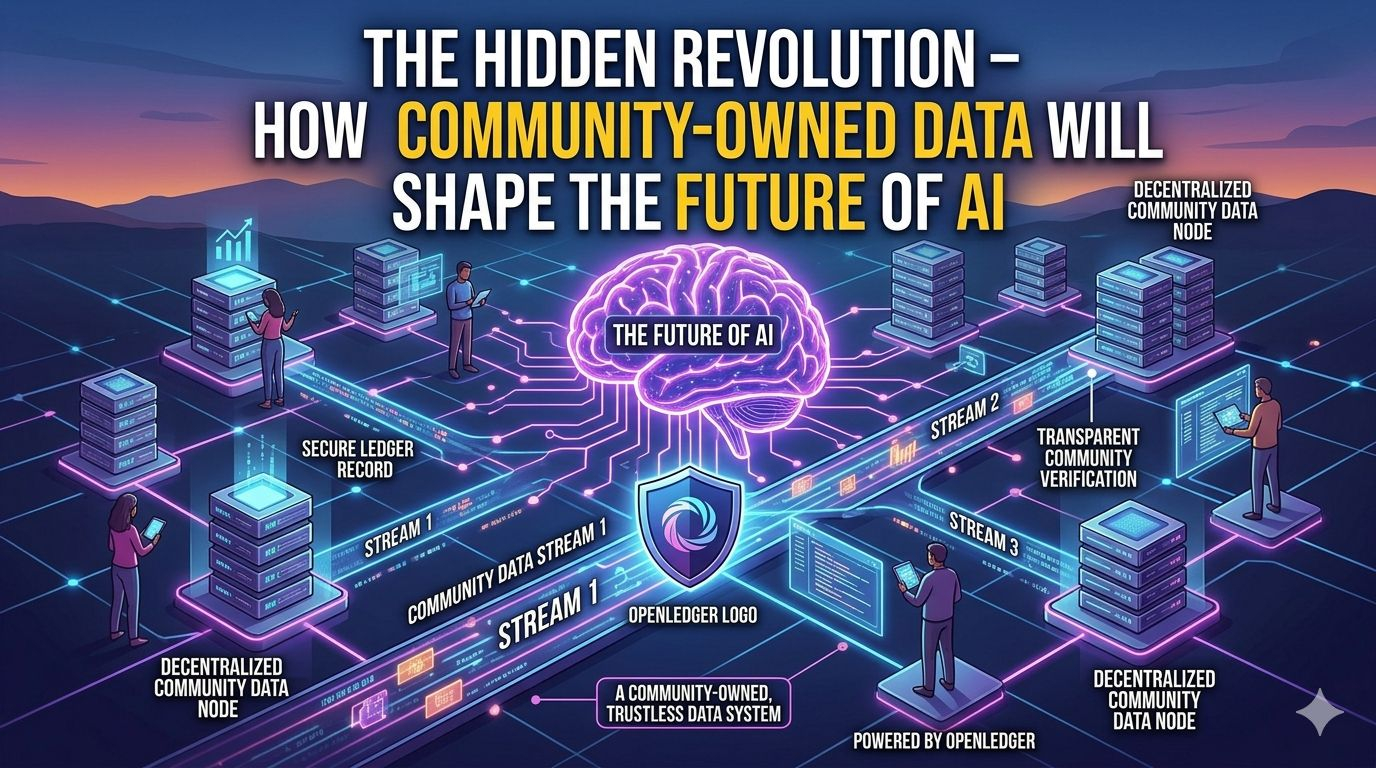
Chapter 4: Why This Matters for Emerging Markets
For those of us in Bangladesh and across the Global South, Datanets represent something even bigger.
We no longer have to rely solely on Western-dominated training data that barely understands our languages, cultures, economies, or daily realities. We can build our own specialized Datanets that capture Bangla nuances, local business practices, and South Asian contexts.
This is how we create AI that truly serves us — not just translates foreign thinking.
Final Thoughts: A New Chapter in AI History
@OpenLedger isn’t promising another hype narrative. They’re building the actual infrastructure: on-chain data networks, fair attribution systems, and the $OPEN token that powers the entire ecosystem — from data contribution to model training and usage.
The future of artificial intelligence doesn’t have to be controlled by a handful of corporations in California. It can be decentralized, transparent, and owned by the global community that creates it.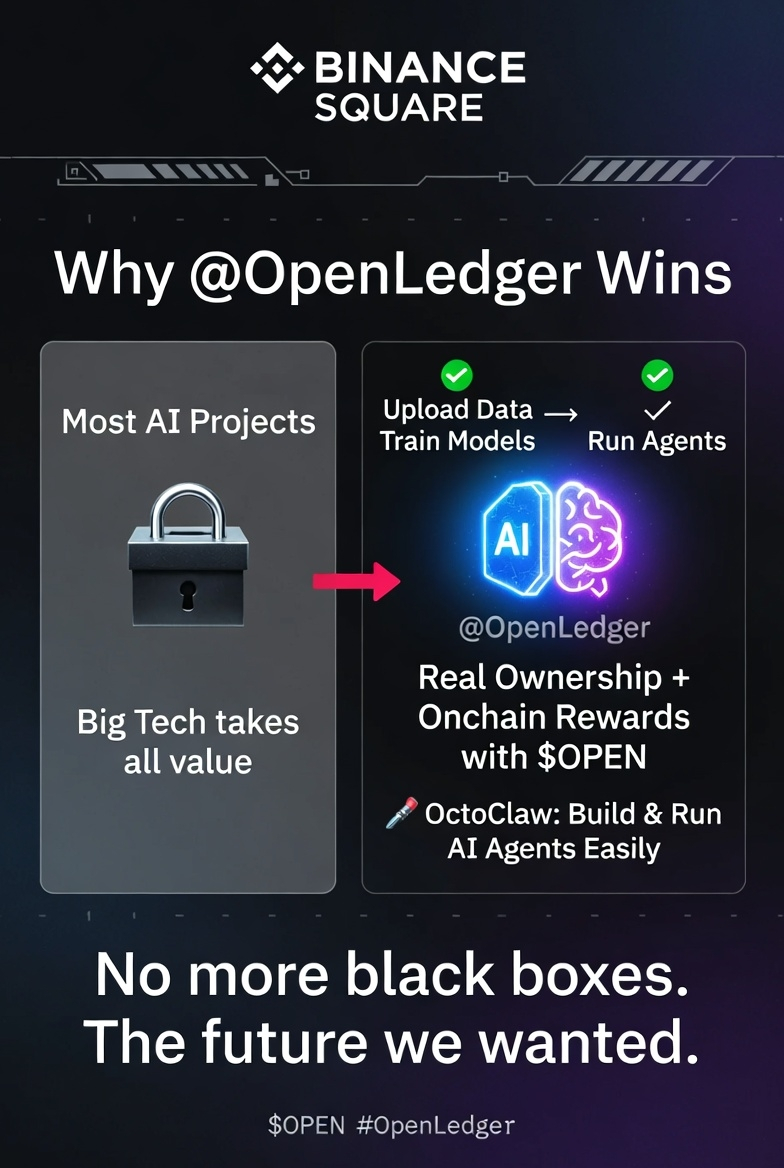
We are witnessing the early days of a profound shift — from AI that extracts value… to AI that distributes it.
The question is no longer whether this will happen.
The question is: which communities will seize this opportunity first?
If you’re a trader, creator, expert, educator, or someone with valuable knowledge in any domain — this is your invitation.
Explore the movement here: @OpenLedger
What Datanet would you build or contribute to? Share your thoughts below.
The data revolution is here. Let’s make sure we own it.