



I used to dismiss most decentralzed AI projects almost automaticaly. The pattern felt too familiar. A flashy narrative appeared, token incentives exploded for a few months, users rushed in to complete repetitive tasks, and eventually the entire ecosystem slowed down once rewards stopped compensating people for their time. Underneath all the activity, very little genuine utility existed. Most systms were measuring participation volume, not contribution quality. That distinction matters more than people think, especially in blockchain markets where short term speculation can disguise structural weakness for surprisingly long periods.
That is the reason guys why @OpenLedger caught my attention recently I tell youu
Not because it markets itself as an AI blockchain project. The market has already seen endless versions of AI infrastructure blockchain narratives over the last two years right? What surprised me instead was the way the protocol seems designed around filtering useful participaton rather than maximizing engagement numbers. That sounds simple on paper, but in reality this is where decentralized AI usually starts breaking apart..
You know that mmost open networks struggle with incentives once rewards become financially meaningful. Low quality datasets flood the system. Validation becomes inconsistent. Sybil behavior increases. Users optimize for extraction instead of usefulness. OpenLedger appears to be approaching the problem differently through mechanisms tied to Proof of Attribution, contributor reputation, and DataNet coordination. The network is effectively trying to identify who is genuinely improving the ecosystem rather than simply remaining active inside it.
I think that idea matters more than the market currently appreciates according to me..
The OpenLedger AI Blockchain is built around the assumption that data, models, and AI agents should function as directly monetizable on-chain assets. Instead of separating AI infrastructure from blockchain settlement, the protocol attempts to integrate training, attribution, deployment, and reward distribution into one environment. Every interaction becomes economically measurable. At least in theory, contributors are compensated according to actual impact rather than raw participation metrics.
And Still I am cautious about how difficult that becomes at scale.
Open ecosystems naturally attract exploitation. Once financial incentives appear, participants begin optimizing around whatever variables generate rewards most efficiently. If OpenLedger fails to distinguish meaningful contributions from manipulated activity, the entire quality filter weakens quickly. The market often underestimates how hard contributor verification becomes once capital enters aggressively.
At the same time excessive filtering introduces another problem. Crypto users tolerate volatility better than almost any market participants I have ever seen, but they rarely tolerate systems they perceive as unfair. If legitimate contributors begin feeling incorrectly penalized or excluded from rewards, trust inside the network could deteriorate much faster than people expect. Decentralized AI data monetization depends heavily on confidence that the protocol distributes value accurately.
The tokenomics are interesting for similar reasons.

Unlike many ecosystems designed around immediate liquidity extraction, the OpenLedger token appears structured to reward longer term alignment through staking participation, validator involvement, and reputation building across DataNets. That probably reduces immediate sell pressure, which is healthy during early network development. But it also makes participation increasingly capital intensive over time. Smaller contributors may eventually struggle competing against larger operators capable of optimizing staking efficiency across multiple segments of the ecosystem simultaneously.
I have seen this happen repeatedly across blockchain markets.
Protocols often begin decentralized in spirit, yet economic efficiency gradually concentrates influence around sophisticated participants with larger balance sheets and better infrastructure. The risk is not necessarily malicious behavior. Centralization sometimes emerges simply because larger actors operate more efficiently than smaller ones.
Liquidity remains another important variable that still feels unresolved. Sustainable blockchain ecosystems eventually require demand driven by actual network usage instead of narrative momentum alone. Right now, adoption still appears early. Validator activity feels softer than many investors expected, and broader market confidence around AI agents crypto infrastructure remains cautious despite growing interest in decentralized AI systems overall.
That hesitation makes sense to me.
The market has already watched multiple AI blockchain project narratives collapse once incentives weakened and speculative capital rotated elsewhere. Investors have become more selective. They want evidence that network activity creates durable economic value rather than temporary engagement spikes funded through emissions.
What keeps me interested in OpenLedger is not hype surrounding artificial intelligence. It is the possibility that the protocol is at least attempting to solve the structural weaknesses most decentralized AI systems prefer ignoring. The network seems less focused on visibility and more focused on usefulness. Those are very different incentive structures.
And I strongly confident that approach works. Maybe it becomes too restrictive over time.
Either way the experiment feels worth watching because the underlying questions around attribution, contributor quality, and sustainable AI infrastructure are beconming increasingly important across blockchain markets.
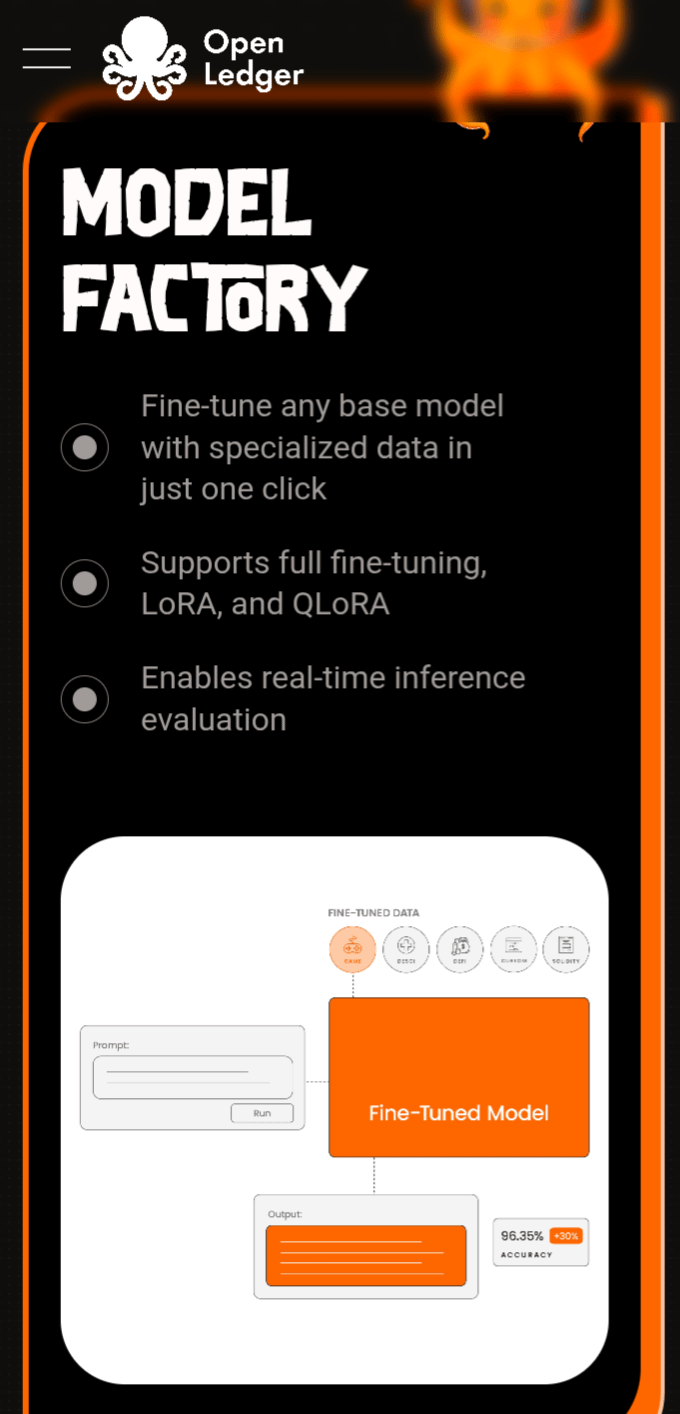
If OpenLedger can balance openness with contributor filtering without allowing governance to concentrate excessively, it could develop into a durable AI infrastructure blockchain than mny investors expect. That outcome is not guaranteed, but the protocol appears prepared for the challenge.
