
The Hidden Workers Behind Every Smart Model
Artificial intelligence often looks magical from the outside. People type a question, generate an image, or automate a task within seconds. It feels like the machine is doing everything alone, but that is far from reality.
Behind every advanced AI system stands a massive crowd of human contributors. Developers write code, researchers train models, moderators filter harmful content, and everyday users provide feedback that improves results over time. AI may look automated, but it still depends heavily on human effort.@OpenLedger
Think of AI like a giant restaurant kitchen. Customers only see the final meal placed on the table, while dozens of workers remain invisible behind the scenes. In the same way, many people help create intelligent systems without receiving much recognition.
Why Data Is the Real Fuel of AI
AI systems cannot learn without data. Every chatbot response, recommendation system, or image generator depends on huge amounts of information collected from human activity. Articles, conversations, videos, and online discussions all become part of the learning process.
This creates an important question about contribution and ownership. If millions of people help shape AI models through their content and interactions, should their role be acknowledged more clearly? Many technology communities are now discussing how transparency can improve trust in the AI space.
The situation is similar to building a city. One company may place its logo on the skyline, but thousands of workers actually build the roads, homes, and offices. AI development works in a very similar way.
The Growing Conversation Around Digital Recognition
As decentralized technology evolves, more people are exploring systems that recognize contributors fairly. Blockchain communities especially care about transparency because they value open participation and visible records of activity.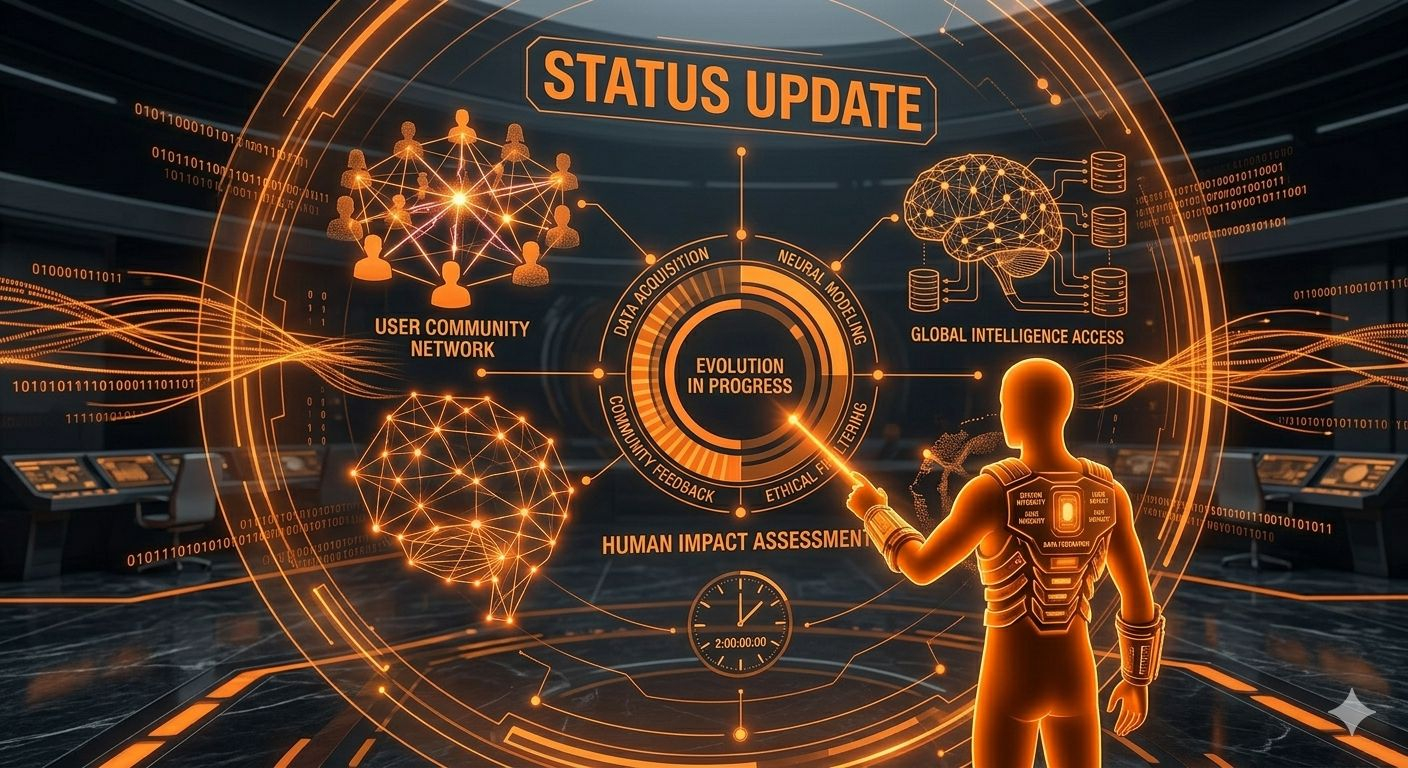
Some developers are discussing ideas like proof of attribution, where contributions to AI systems could be tracked more openly. This does not mean turning every interaction into a payment system. Instead, it focuses on accountability and visibility inside digital ecosystems.
Imagine posting helpful information online for years, only to discover it silently trained an AI model without any clear credit. Many creators, writers, and designers believe future systems should provide better acknowledgment for digital contributions.
Why Trust Matters in the AI Era
Trust has become one of the most valuable assets in modern technology. People want to know where AI information comes from, how models are trained, and whether systems are being developed responsibly.
When contributors remain invisible, public confidence can weaken. Users may start asking difficult questions about fairness, privacy, and ownership. Clear communication helps communities feel more comfortable with rapidly growing technologies.
This challenge is not limited to developers alone. Businesses, creators, educators, and users all play important roles in shaping healthy AI ecosystems. Strong communities are built when people feel included rather than ignored.
The crypto industry already understands this idea well. Blockchains operate through distributed participation, where networks grow stronger because many people contribute together. AI may follow a similar direction as transparency expectations continue increasing.
Building a More Human Future for AI
Technology becomes more powerful when it reflects human values instead of replacing them. AI should not only focus on speed and automation. It should also respect the people whose ideas, creativity, and knowledge make intelligent systems possible.
A healthier AI future may involve clearer attribution systems, stronger data policies, and more community participation in development processes. These changes could help create a balance between innovation and responsibility.
Simple awareness also matters. When users understand that AI is powered by collective human effort, they begin viewing technology differently. The conversation shifts from machines replacing humans to humans collaborating through smarter tools.
This mindset can encourage more responsible innovation across both AI and blockchain communities. Instead of chasing hype alone, builders can focus on creating systems that reward transparency, fairness, and long term trust.
Why the Future Depends on Shared Contribution
AI is growing at an incredible pace, and its influence will continue expanding across education, finance, healthcare, entertainment, and digital communication. Yet no matter how advanced these systems become, they still carry the fingerprints of countless human contributors.
Remembering those contributors is not just about fairness. It is about building technology that people can trust and support for years to come. Communities become stronger when participation is visible and contributions are respected.
The next chapter of AI may not belong only to the biggest companies or the fastest models. It may belong to the ecosystems that understand one simple truth: intelligent technology becomes stronger when the people behind it are valued.
The future of crypto and AI will belong to communities that build with transparency, respect, and shared purpose.
Transparent innovation today can create stronger digital communities tomorrow, where every contributor feels seen, respected, and genuinely valued worldwide.