
Most people looking at @OpenLedger onaly see the surface layer. They see an AI blockchain project attached to one of the strongest narratives in crypto right now decentralized AI. Clean branding, aggressive ecosystem expansion, and the promise of turning data, modells, and AI agents crypto into liquid on-chain assets. On paper, it sounds almost inevitable. But after spending time studying how these systems actually behave under pressure, I think the more interesting story sits underneath the marketing.
I tell you what caught my attention first was not the technology itself. It was the economic structure surrounding it.
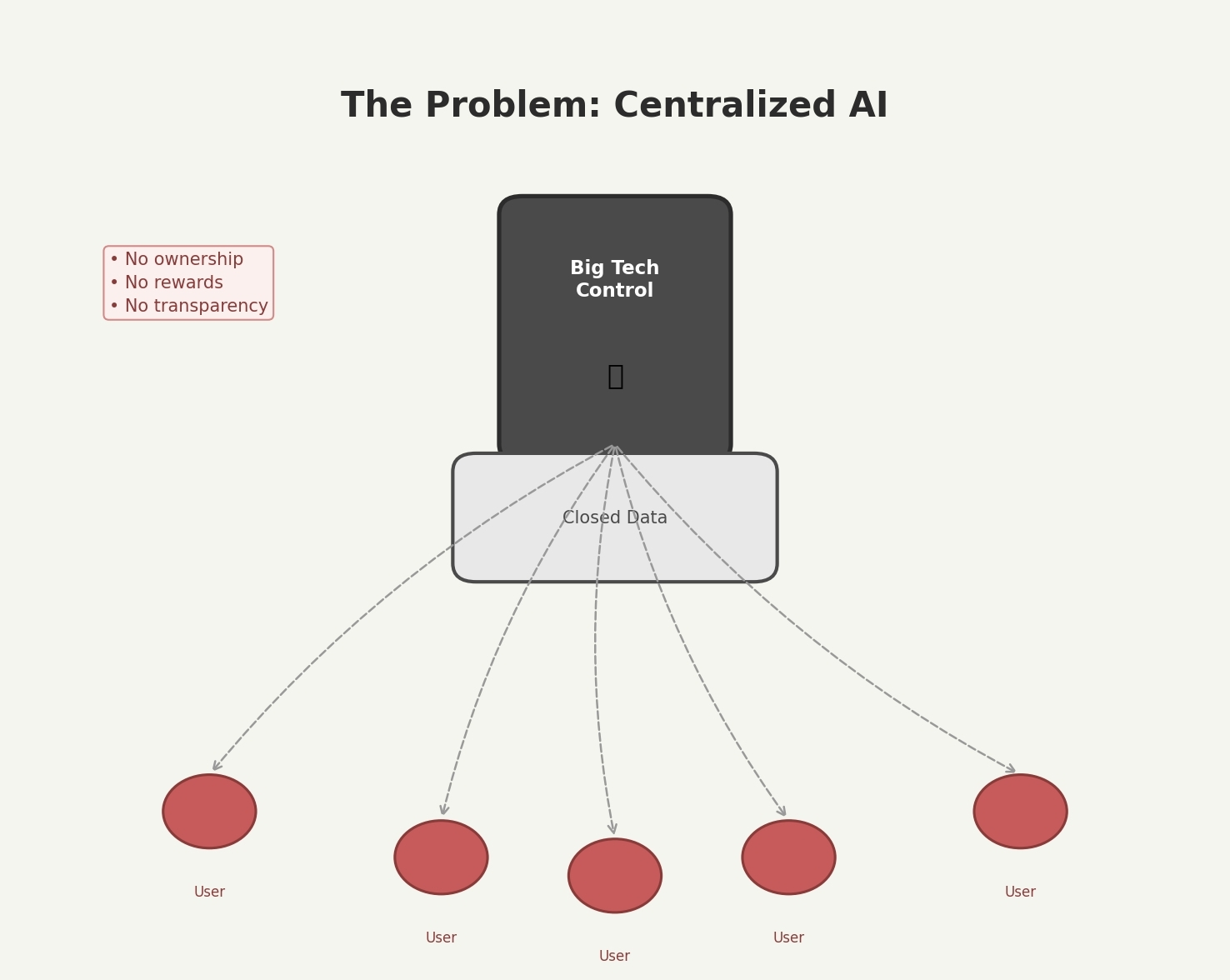
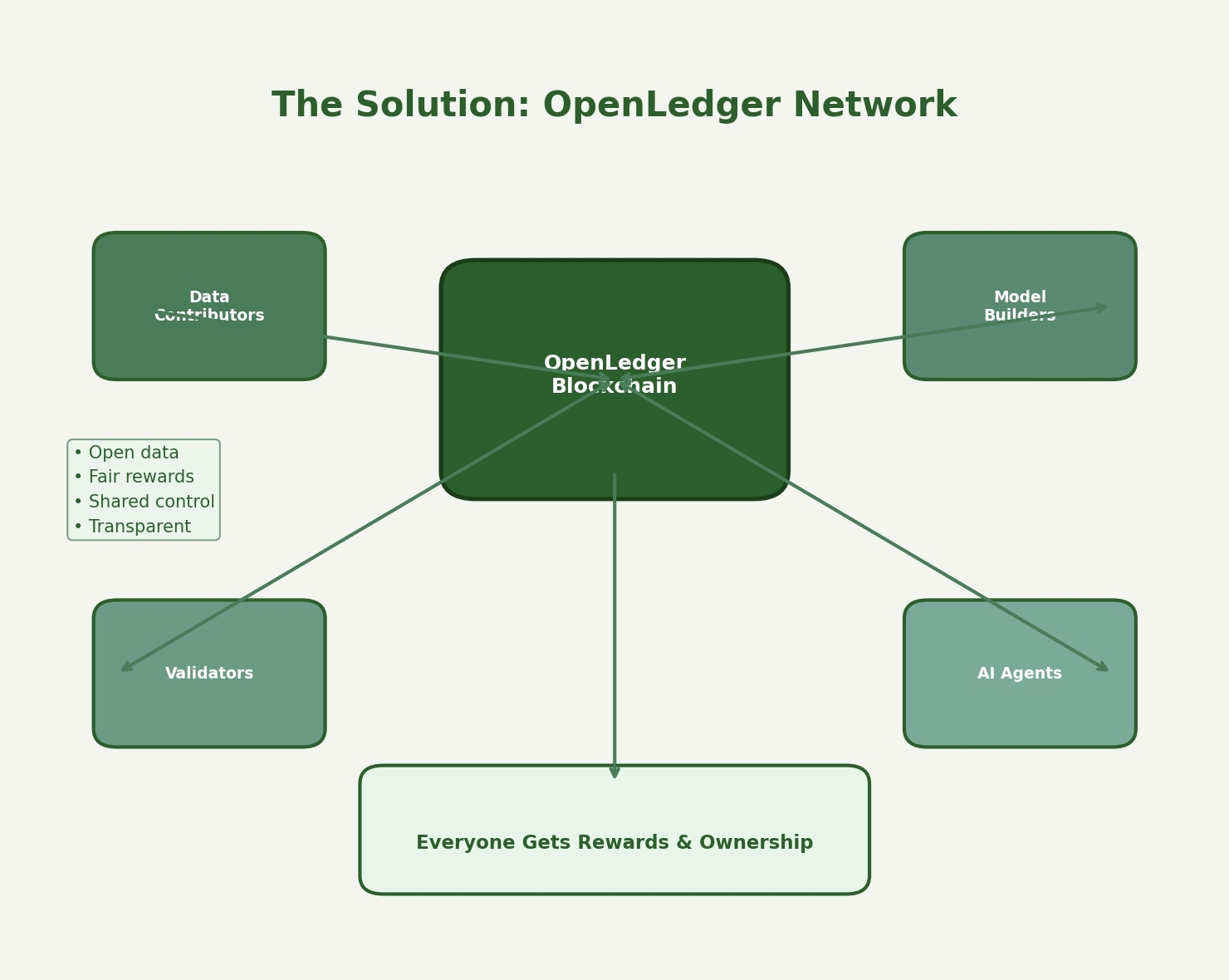
OpenLedger is trying to build something ambitious. An AI infrastructure blockchain where data contributors, model builders, validators, and autonomous agents can all interact inside the same economic system. The idea makes sense because AI development is becoming increasingly dependent on data ownership, compute coordination, and incentive alignment. Most current AI systems are still controlled by centralized entities with closed datasets and opaque monetization models. OpenLedger AI Blockchain is clearle positioning itself as the alternative to that structure.
The market likes that narrative because it connects two sectors investors already care about: AI and blockchain infrastructure.
And still, narratives alone are never enough.
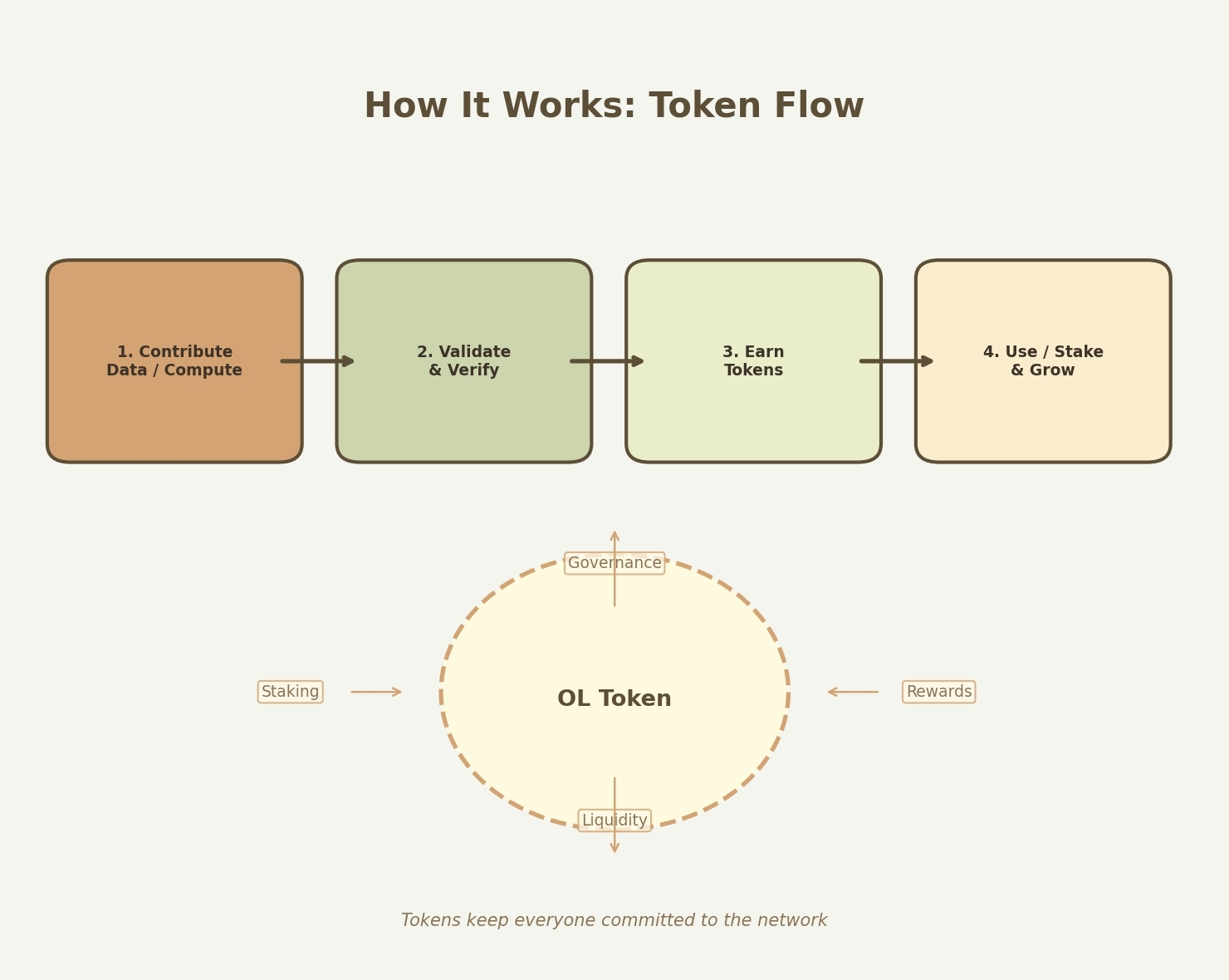
The deeper I looked into the OpenLedger token design and participation mechanics, the more I realized this ecsystem is less about simple decentralization and more about managing incentives at scale. That distinction matters. In crypto, projects often advertise openness while quietly optimizing for liquidity stability and long-term retention. OpenLedger seems aware that AI ecosystems are extremely difficult to sustain unless users remain economically committed to the network for extended periods.
That is where things get tricky.
AI infrastructure blockchain systems require constant participation. Models need training. Data needs validation. Agents need execution environments. Validators need uptime. Unlike speculative Layer 1 ecosystems that can survive temporarily on hype alone, decentralized AI networks depend on continuous operational activity. If incentives weaken, participation drops quickly.
What surprised me was how tightly OpenLedger connects network behavior with economic alignment. The system does not appear designed for passive speculation alone. It tries to create dependency loops between users, liquidity providers, developers, and AI contributors. In theory, that strengthens retention because participants become financially tied to ecosystem growth rather than simply trading volatility.
But retention systems can also create fragility.
A lot of smaller participants entering AI blockchain projects underestimate operational pressure. Running infrastructure is expensive. Maintaining validator consistency during volatile network activity is not easy. Bandwidth costs rise. Synchronization loads increase. Hardware requirements evolve faster than expected. Large participants absorb those costs much more comfortably than smaller operators.
That imbalance already exists across crypto, but decentralized AI magnifies it because AI-related computation is resource intensive by nature.
The market seems to underestimate how difficult AI data monetization becomes once real scale enters the picture. Monetizing data sounds efficient until questions around quality, attribution, spam resistance, and synthetic activity begin appearing. OpenLedger uses concepts like Proof of Attribution to address contributor verification and reward allocation, which is probably necessary if AI-generated content floods the network later on.
And you know still, no attribution system is perfect.
As AI agents crypto infrastructure becomes more advanced, distinguishing genuine contribution from synthetic engagement gets harder every year. This is not theoretical anymore. AI-driven automation already behaves far more realitically than older bot systems. Timing patterns, interaction cycles, and behavioral randomness continue improving rapidly. Many blockchain ecosystems still rely on anti-sybil assumptions built for older internet environments.
I’m still cautious about how sustainable these defenses really are over the next few years.
One thing OpenLedger does correctly is compatibility. Following Ethereum standards lowers friction significantly. Wallet integration, smart contract deployment, and interoperability with existing L2 ecosystems make adoption easier because developers do not need to completely relearn infrastructure design. In crypto, reducing friction matters more than most teams realize. Complicated systems rarely maintain long-term user growth unless incentives are extremely aggressive.
And aggressive incentives create their own problems.
This is where tokenomics becomes more important than technology. During bullish market cycles, strong incentive systems can make ecosystems appear healthier than they actually are. Liquidity expands, participation metrics rise, staking increases, and user activity accelerates naturally because speculation amplifies engagement. The challenge comes later when market conditions weaken.
If ecosystem participation depends too heavily on financial extraction, activity usually collapses once yields compress.
I noticed signs of that risk while analyzing broader behavior around OpenLedger participation. A large portion of engagement still appears connected to future expectations rather than immediate utility. That is normal for early-stage blockchain infrastructure projects, but it creates pressure. The network must eventually prove that developers and enterprises genuinely need decentralized AI coordination instead of simply finding the narrative attractive.
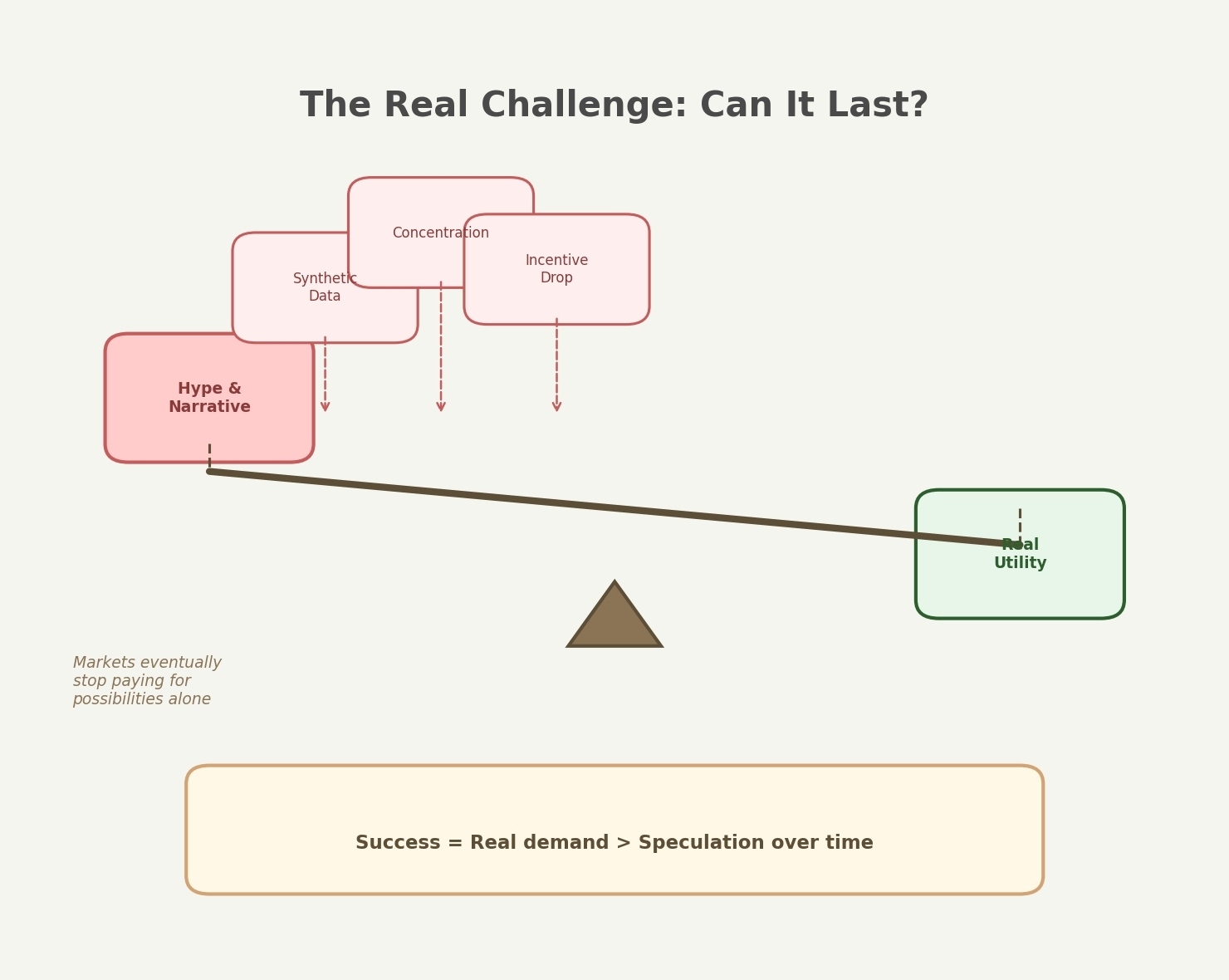
Because eventually markets stop paying for possibilities alone.
They start demanding resilience.
That is probably the real test for OpenLedger over the next cycle. Not whether it can attract attention during AI hype phases, but whether its economic structure can survive periods where liquidity becomes selective and users prioritize sustainability over narrative strength.
There is also the issue of concentration. In reality, early ecosystem participants usually accumulate structural advantages long before retail attention arrives. Governance influence, staking control, treasury access, and liquidity positioning often become concentrated quietly during early growth stages. OpenLedger is not unique there. Almost every blockchain ecosystem experiences this dynamic eventually.
The difference is that AI ecosystems may become even more dependent on concentrated infrastructure because computation itself naturally favors scale.
That does not mean the project fails. It simply means decentralization is more complicated than marketing language suggests.
Personally, I think OpenLedger is more interesting as an experiment in AI economic coordination than as a pure speculative asset. The attempt to connect data, models, AI agents, and blockchain incentives into one unified on-chain system is genuinely ambitious. Few projects are thinking deeply about how decentralized AI economies might function beyond simple token speculation.
But ambition alone does not remove structural risk.
If synthetic participation grows faster than real adoption, if liquidity concentration becomes excessive, or if ecosystem demand weakens once incentives cool down, pressure will appear quickly. That pattern repeats constantly across crypto cycles.
For now, OpenLedger sits in a fascinating position between infrastructure and speculation, between real utility and market narrative. Maybe that tension is unavoidable for every AI blockchain projct right now.
The important part is understanding the difference before the market does it for you.