
I’ve been thinking a lot about how AI has slowly become part of almost everything we do online. From writing tools to trading bots, recommendation systems to content creation — AI is everywhere now. But there’s one thing that keeps coming to my mind: we use all this intelligence daily, but we rarely think about who actually controls it or who benefits from it.

Most AI systems today are built and owned by big centralized companies. They collect massive amounts of data, train powerful models, and then provide access to users. But the interesting part is that users and data contributors usually don’t get any real reward from the value they help create.
That’s what made me explore @OpenLedger $OPEN #OpenLedger
OpenLedger is trying to build something different — a more open AI ecosystem where value is not locked inside one company.
Instead of AI being controlled by a few centralized platforms, OpenLedger imagines a system where anyone can contribute data, developers can build and share AI models, AI agents can perform tasks automatically, and everyone involved can potentially earn from their contribution.
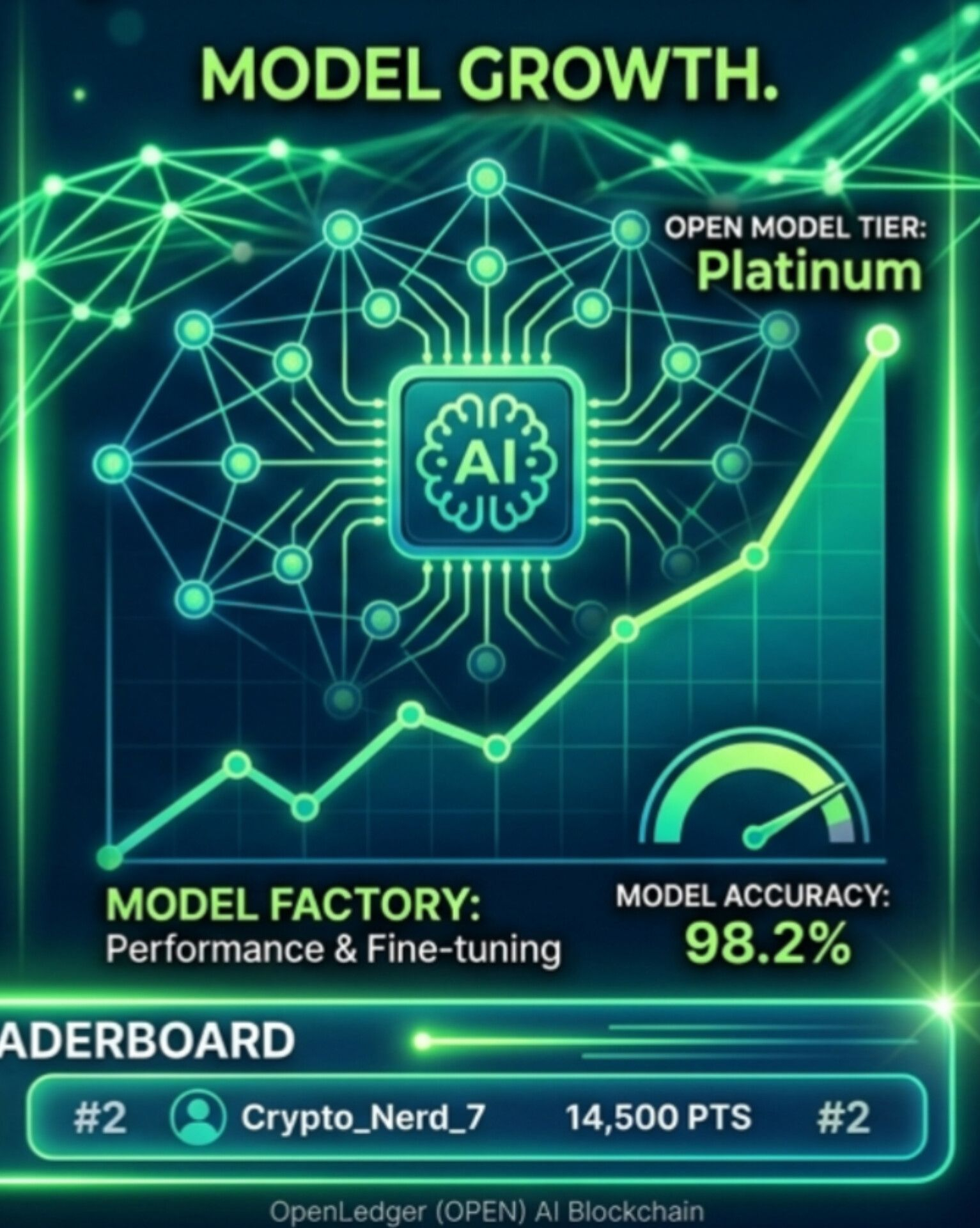 The idea feels like a shared AI economy, where intelligence itself is not owned by one entity but distributed across a network.
What I personally find interesting is how data and models are treated like real assets instead of invisible resources. In most systems today, they just exist in the background. Here, they become part of an economy.
At first, AI and blockchain might sound like two completely different technologies, but OpenLedger connects them in a very practical way.
AI is responsible for learning, decision-making, and generating output. It’s the “thinking system.” Blockchain, on the other hand, acts as the “trust and record layer.” It keeps track of contributions and usage in a transparent way.
So the idea is simple: AI processes and learns from data, while blockchain records where that data came from and how it is used.
This combination makes the system more transparent. If someone contributes useful data or helps improve a model, their contribution can be tracked instead of being lost in a closed system.
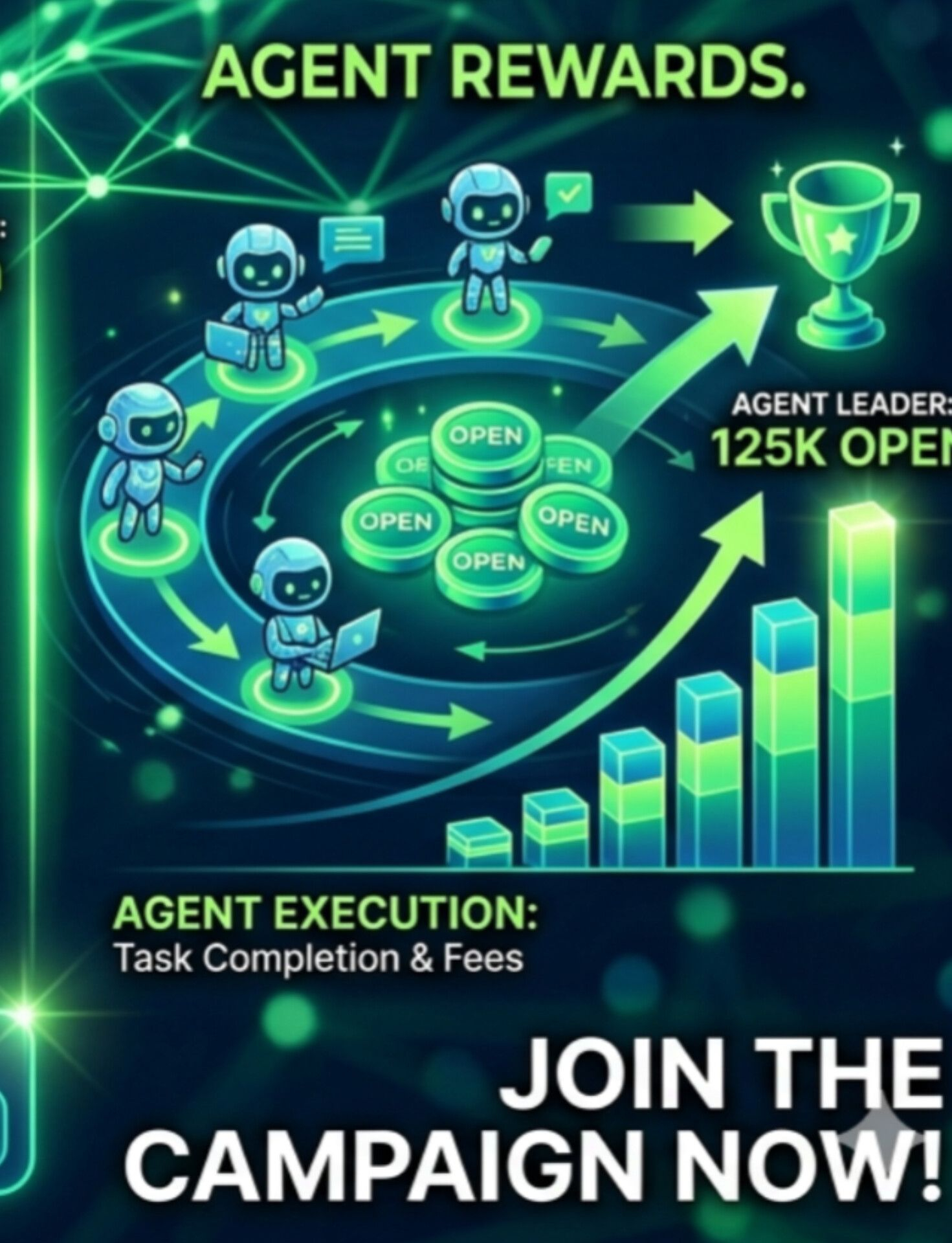
To me, this is one of the strongest ideas behind OpenLedger — it tries to remove the “black box” nature of AI and replace it with something more open and traceable.
The real issue in AI today is not just technical advancement — it’s ownership and value distribution.
Big companies collect data from users across the internet. That data helps train powerful AI systems, but the people who actually generate it rarely receive anything in return.
OpenLedger tries to fix that imbalance by making data something that can be tracked, valued, shared, and monetized.
Another interesting layer is AI agents. These are systems that can perform tasks automatically — like research, trading assistance, or digital operations. In OpenLedger’s vision, these agents can also become part of the value flow.
So it’s not just about building smarter AI — it’s about creating an ecosystem where intelligence itself has economic value.
If I try to imagine where this could go, a few things come to mind.
We might see a future where AI agents generate income automatically, data becomes something like a tradable digital asset, developers earn continuously based on model usage, and even small contributors benefit from shared systems.
It almost feels like merging AI with decentralized finance concepts — where instead of only money flowing, intelligence and data also move in a structured economy.
Of course, this is still early stage. A lot depends on adoption and real-world execution. Many ideas in crypto sound strong on paper, but building something that actually works at scale is always the real challenge.
Still, the direction itself feels meaningful.
Personally, I find the idea behind OpenLedger quite thought-provoking. Not because it promises quick hype, but because it highlights a real problem — AI value today is not fairly distributed.
At the same time, I stay a bit cautious. Building an open AI economy is not easy. It involves trust systems, data incentives, and real user adoption. Many projects struggle at this stage.
But I do like the concept. It feels like an attempt to rethink AI in a more open internet-style way, instead of keeping everything locked inside corporate systems.
OpenLedger is trying to connect AI, data, and blockchain into one shared ecosystem where everyone can potentially benefit.
If it works even partially, it could change how we think about AI ownership and participation.
For now, I’m just watching closely and seeing how this idea evolves in real usage.
What do you think — should AI stay controlled by big companies, or move toward a more open system where everyone contributes and earns?