

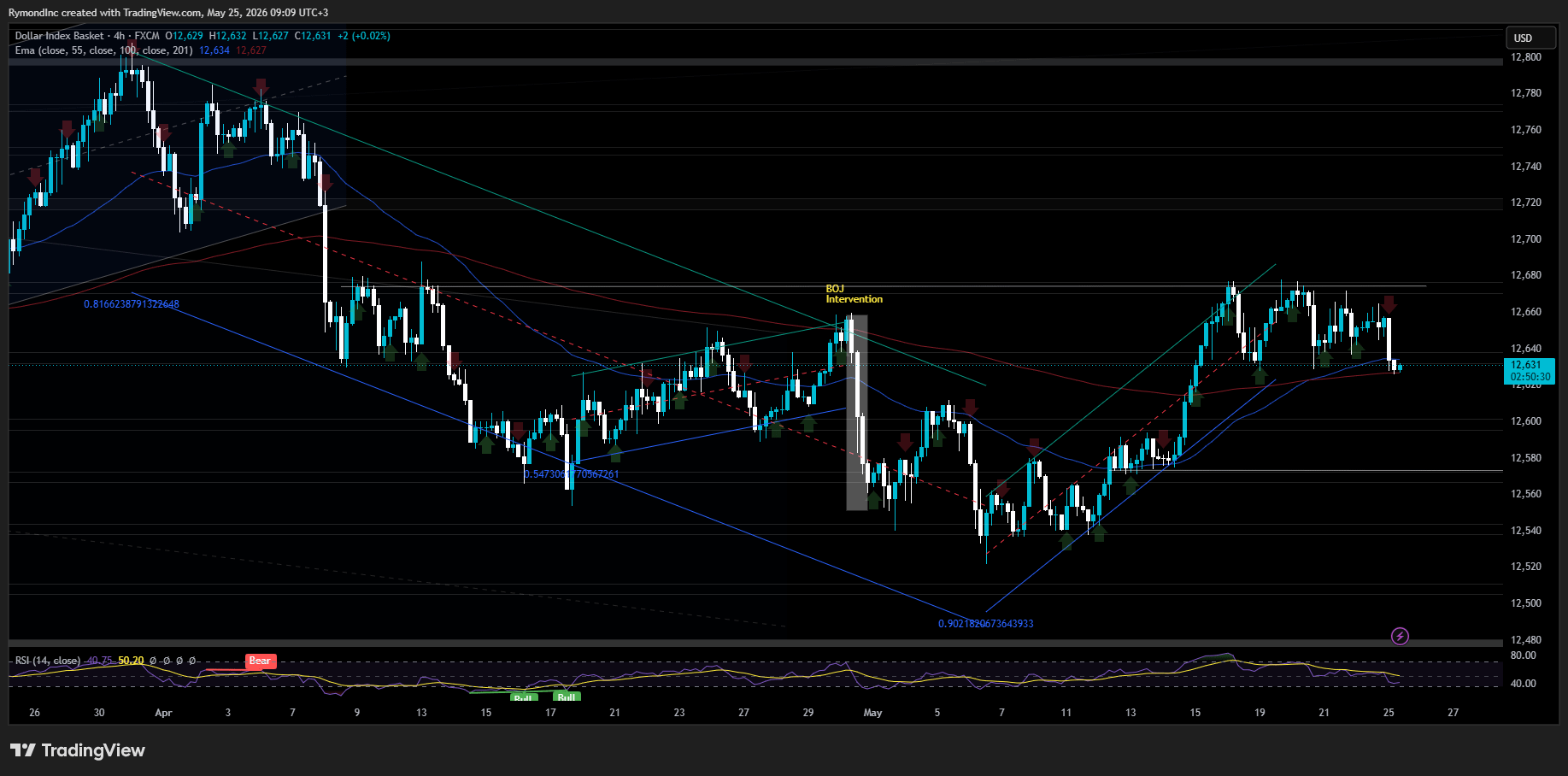
Monday brought a different energy to it. Hopes of an Iran deal edged closer to reality, and investors responded by rotating into risk assets — sending oil and the U.S. dollar lower, - 0.21%.
Reports surfaced that the United States and Iran are close to signing a 60-day ceasefire extension that would reopen the Strait of Hormuz. The proposed deal has some clear contours. During those 60 days, the Strait stays open with no transit fees charged to passing vessels. American military forces deployed across the region over the past few months would remain in position until a final comprehensive agreement is signed.
There were tangible signals on the ground, too. Shipping data showed two liquefied natural gas tankers making their way out of the Strait of Hormuz. A supertanker carrying Iraqi crude destined for China left the Gulf on Saturday after sitting stranded for nearly three months. Small movements — but they mean something.
Trump, though, immediately tempered expectations. He reminded everyone he'd told his team not to rush into anything with Iran, even as pressure mounts from all sides to get something done. So the optimism is real, but it's fragile.
When the Strait of Hormuz faces a blockade or military conflict, global investors panic, sell off risky assets, and hoard cash or safe havens. The progress toward a peaceful reopening lowers geopolitical risk. This shift causes institutional capital to return to growth-oriented and risk-on assets, providing an immediate upward price bounce for Bitcoin.
This optimism can be seen in how Bitcoin is trading today, Monday, May 25th, up 0.4% or $356 on the day. But zoom out, and the picture is ugly. Down 2.96% over the past week. Down 13.34% year-to-date. Down 30.07% over the past year.
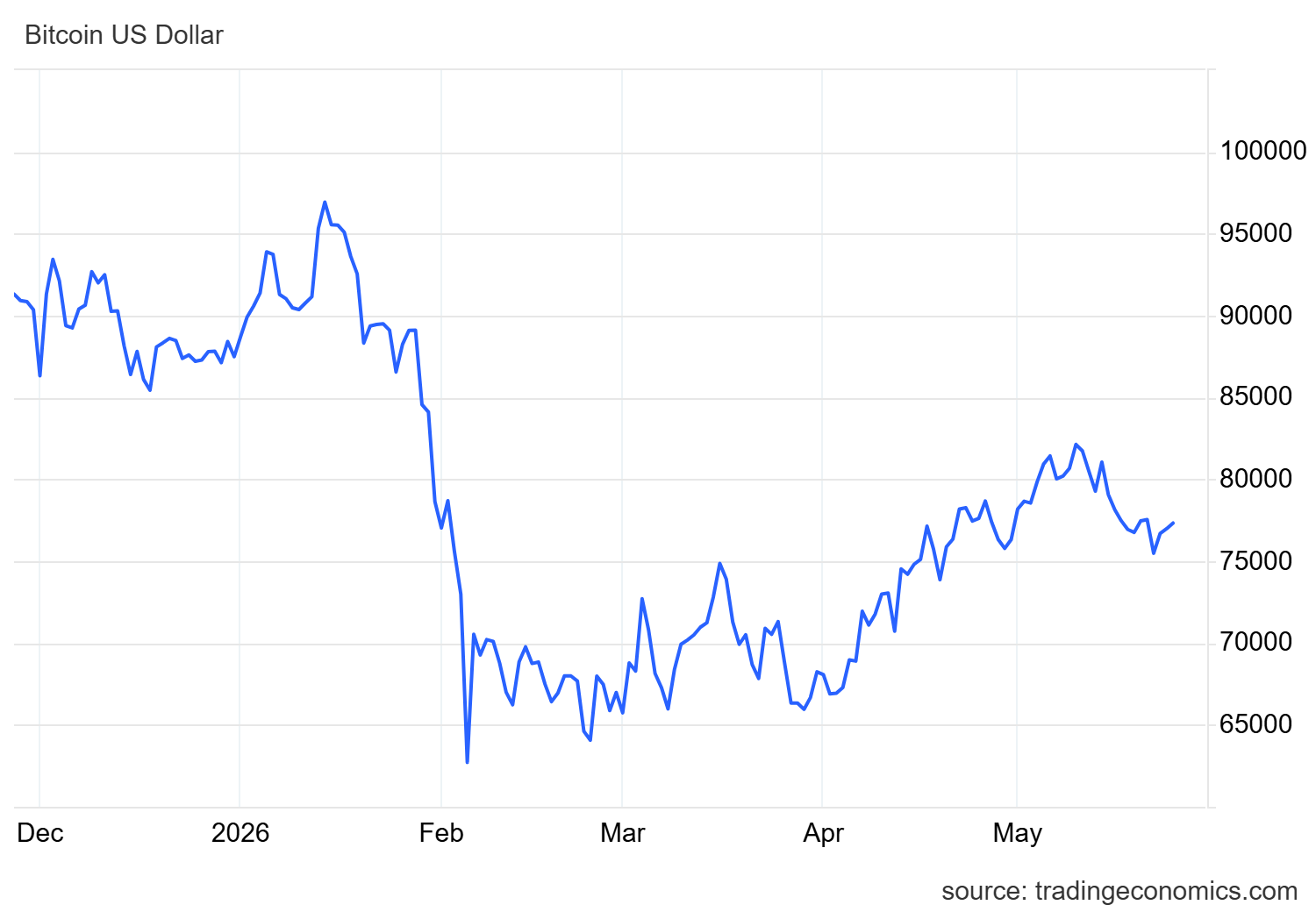
To understand where Bitcoin is now, you have to remember where it came from. It hit a record high of nearly $125,000 in late 2025 — then plunged below $65,000 in early February, as profit-taking combined with hot inflation data took over.
Fast forward after the recovery from that bottom, and bitcoin has been on an upward but choppy trend. That's become a pattern — optimism spikes, then fades.
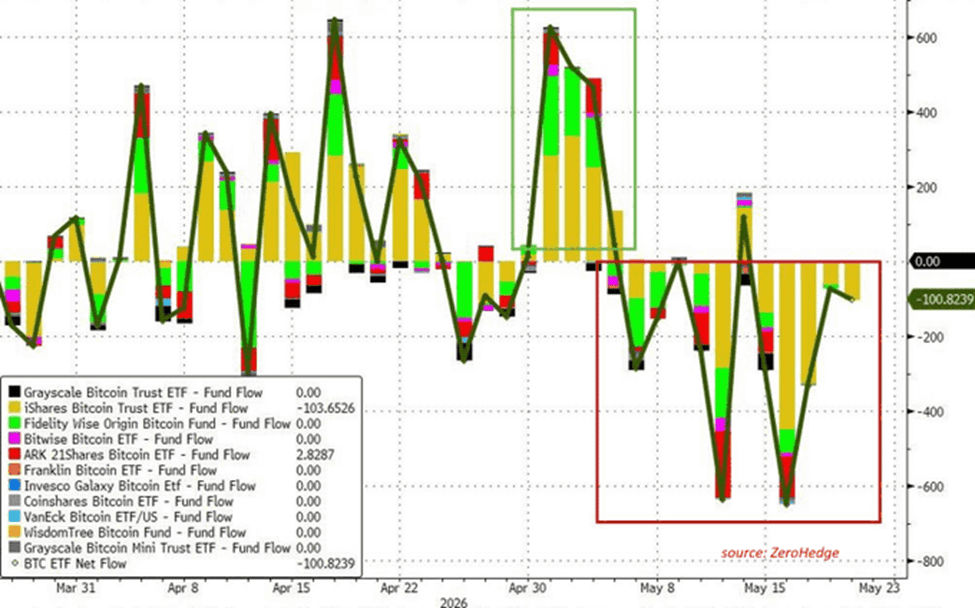
The real catalyst weighing down Bitcoin is what's happening under the surface. Since May 14th, $1.55 billion has walked out the door from spot Bitcoin ETFs. That date wasn't random — it was the last day any of these products recorded a net positive inflow.
Since then, it's been nothing but exits. Monday, May 19th alone saw $648.6 million in single-day redemptions, one of the largest single-day outflows for crypto ETFs in 2026. Stretch the window to two weeks, and cumulative spot Bitcoin ETF drawdowns are sitting closer to $2.26 billion.
The global bond sell-off is making things worse. As traders price in rate hikes from central banks worldwide to fight the inflation shock from surging oil prices, the environment for cryptocurrencies gets more hostile. Higher rates pull capital toward yield-bearing assets — and Bitcoin, which generates nothing, loses its appeal.
Market participants are watching fund flows closely for any sign that institutional appetite is coming back. Right now, it isn't.