
Trebuie să știm că fondatorul MicroStrategy, Saylor, este cunoscut în lumea criptomonedelor ca un cumpărător fervent, crezând că trebuie să cumpere și să păstreze pe termen lung. De-a lungul acestor ani, compania a procedat astfel, acumulând 650.000 de bitcoin, ceea ce reprezintă peste 3% din oferta totală, fiind cea mai mare companie listată care deține bitcoin. Însă, de data aceasta, conducerea companiei a declarat pentru prima dată că, dacă situația devine cu adevărat extrem de dificilă, vânzarea de monede este și ea o opțiune.
Cheia acestei transformări constă în faptul că compania a înființat o rezervă de 14,4 miliarde de dolari. Pe scurt, compania consideră că volatilitatea pieței este prea mare și trebuie să pregătească o sumă mare de numerar pentru a putea plăti dividende și dobânzi în mod stabil. Proprietarul companiei a recunoscut de asemenea că se pregătește pentru o posibilă "iarnă criptografică".
What makes the market most nervous is the selling condition. The company created an indicator called mNAV, which roughly means comparing the company's own value with the value of the Bitcoin it holds. The CEO stated that if this indicator falls below 1, it means the market thinks the company is worth less than its Bitcoin holdings, and if the company cannot borrow other money, they may be forced to sell some Bitcoin to save themselves.
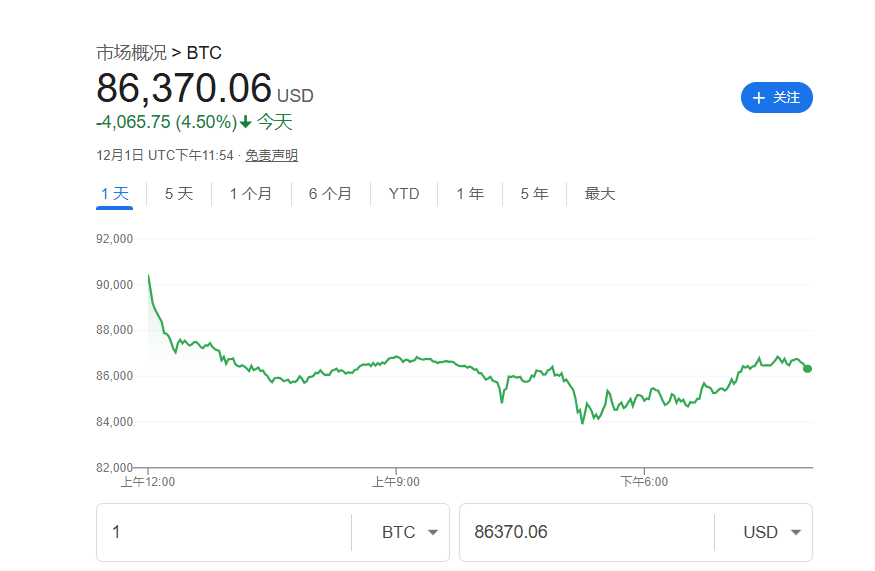
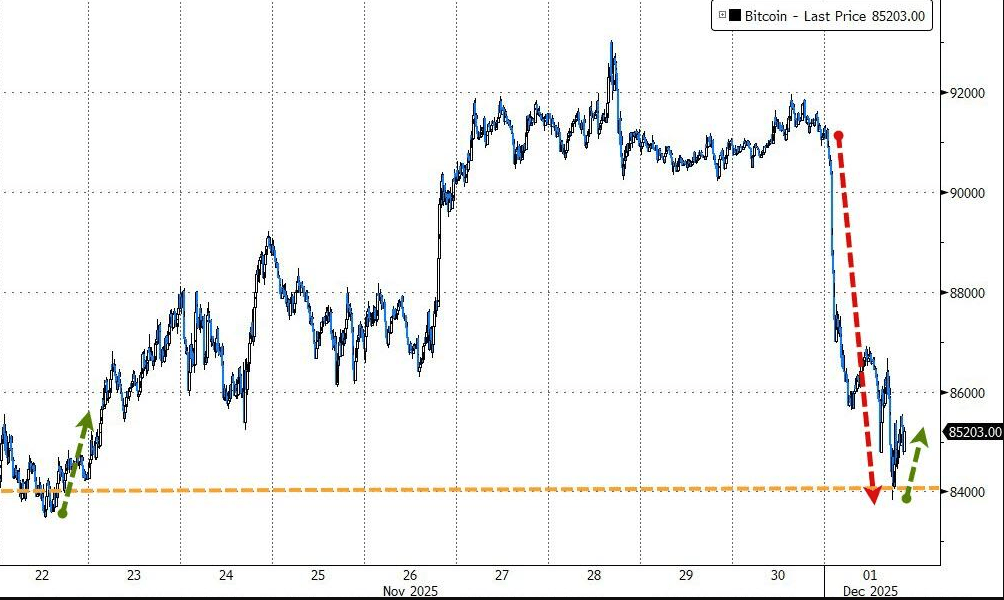
Once this information was released, investors couldn't sit still. Everyone has always regarded MicroStrategy as a steadfast banner for Bitcoin, and now the banner says it may sell at low prices, shaking that belief all at once. As a result, on Monday, the stock price plummeted more than 12% at one point, closing down more than three points, and the Bitcoin price was also dragged down, falling over 4%.
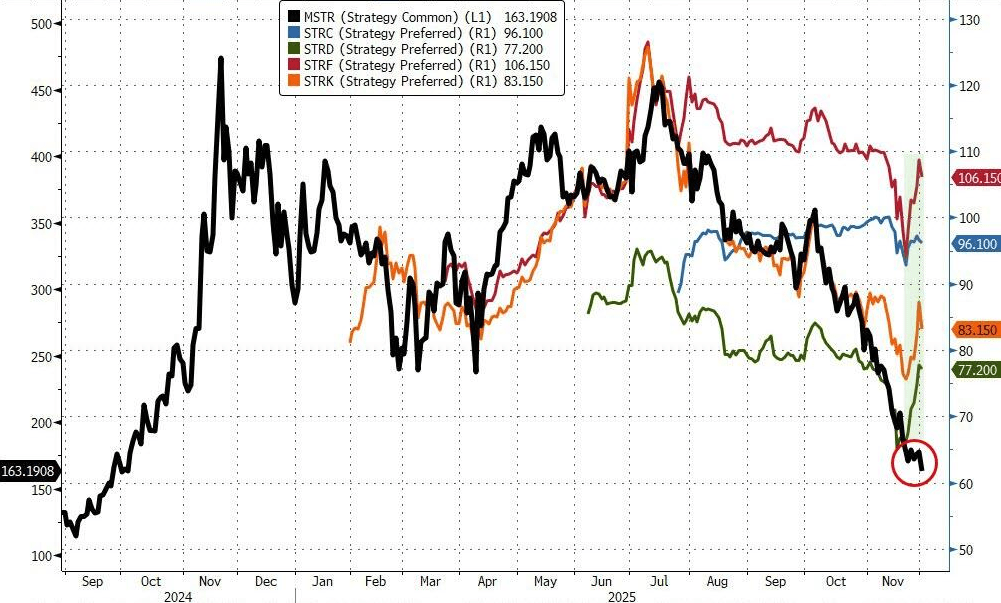
MicroStrategy's latest developments and the resulting concerns over strategic shifts have quickly triggered negative reactions in the market. On Monday, its stock price hit a low of 156 dollars during trading, and although it rebounded by the close, it still fell 64% from the 52-week high in mid-July. So far this year, the stock has accumulated a nearly 41% decline. Meanwhile, the price of Bitcoin has also suffered, falling over 4% to about 86370 dollars.
In fact, thinking about it carefully, MicroStrategy is also compelled by debt. The company issued many convertible bonds to buy Bitcoin, and now owes over 80 billion dollars. Rating agencies have long warned that if Bitcoin prices drop significantly, and the bonds come due, the company could fall into a liquidity crisis, being forced to sell Bitcoin at a low price to pay off debts, which would indeed become a vicious cycle.
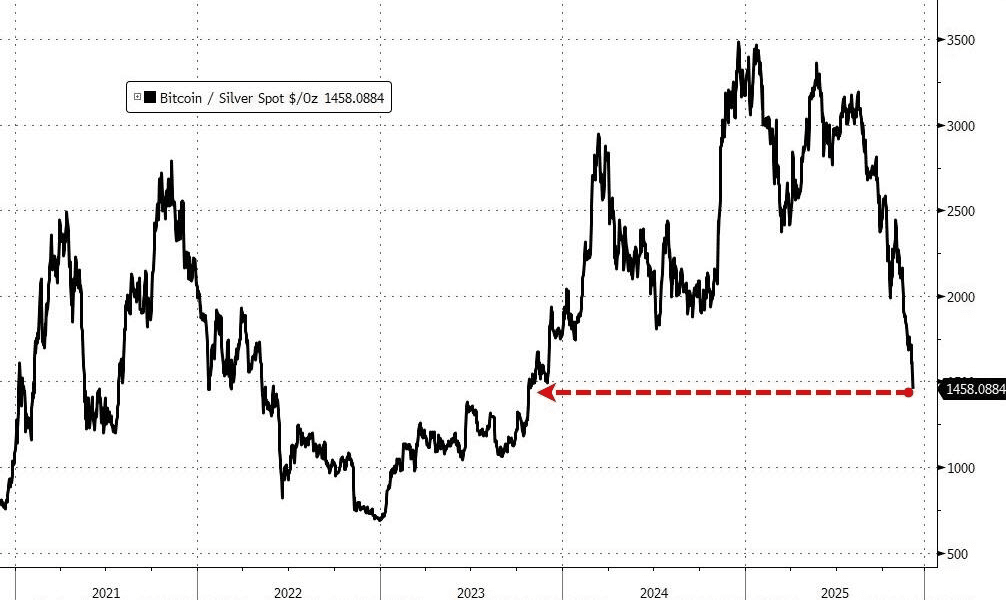
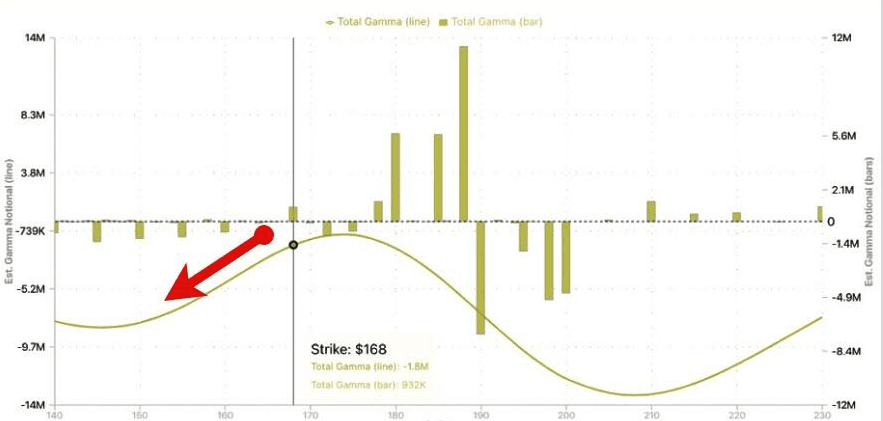
Although the company quickly came out to reassure the market, saying that even if Bitcoin falls to twenty-five thousand, their holdings are enough to repay twice the debt, and Saylor immediately announced that he spent over ten million dollars to buy one hundred thirty coins, trying to prove that confidence is still intact. But the market's worries have already been sown. Everyone suddenly realizes that no matter how steadfast the belief, in the face of real financial pressure, one might have to bow down.
Currently, market sentiment is quite complex; on one hand, there is panic over the possibility of leading companies selling off, and on the other hand, there are rational voices suggesting that the companies are merely making the worst-case plans, which is responsible for shareholders.
But in any case, MicroStrategy's 'Bitcoin giant ship' has adjusted its course for the first time, and everyone must reassess the future storms.
