REPORT BY
MAHI B KHAN
DATE:- 20/12/2025
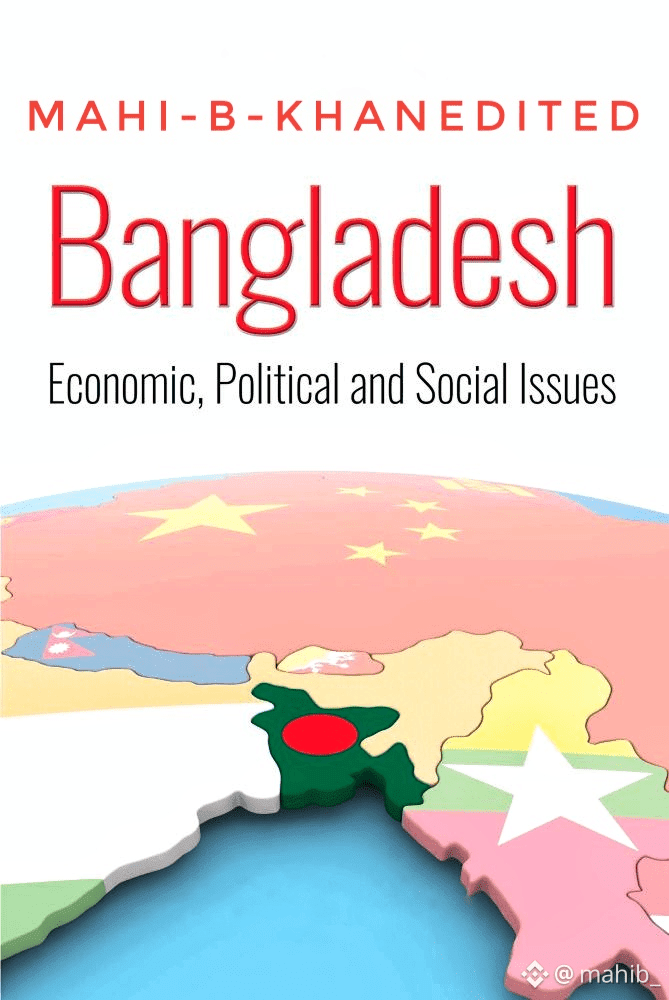
Bangladesh faces deep-seated economic and social challenges like poverty, inequality, inflation, and climate vulnerability, alongside issues of health, education, governance, and overpopulation, straining its growth, though remittances and the RMG sector offer vital support, requiring urgent policy reforms for inclusive development.
Economic Issues
Inflation & Cost of Living: Persistent high inflation, especially for food, strains household budgets, pushing even working families into hardship, as seen with rising essential costs.
Poverty & Inequality: Despite progress, significant poverty remains, particularly in rural areas, with widening gaps between rich and poor, and urban vs. rural access to resources.
Agriculture Challenges: Shrinking farmland, climate impacts (floods, drought, salinity), and stagnant productivity threaten food security and rural livelihoods, notes Udenrigsministeriet.
Private Sector Struggles: Rising interest rates, investor uncertainty, and high operational costs hinder private sector growth, which generates most jobs.
Remittances Dependence: While crucial (8-10% of GDP), over-reliance on remittances for poverty reduction creates vulnerability, according to a report from Udenrigsministeriet.
Social Issues
Health & Nutrition: High rates of child malnutrition and inadequate health resources persist, especially for the poor, notes Slideshare.
Education Disparities: Literacy rates vary significantly between regions (e.g., Sylhet vs. Barisal), reflecting unequal access, reports The Daily Star.
Climate Vulnerability: As a highly vulnerable nation, Bangladesh faces severe impacts from floods, cyclones, and droughts, endangering lives, food, and incomes, notes Udenrigsministeriet.
Overpopulation & Demographics: A youthful population puts sustained pressure on resources, education, and jobs, requiring effective management, as discussed in papers from Udenrigsministeriet and Institute of Development Studies.
Governance & Infrastructure: Foundational issues like inadequate infrastructure and bureaucratic hurdles continue to challenge development, writes Academia.edu.
Key Interconnections & Solutions
Climate Change Impact: Disasters exacerbate poverty, damage agriculture, and displace people, creating a vicious cycle.
Inclusive Growth Needed: Policies must focus on rural development, infrastructure, education, and health to reduce inequality, calls ResearchGate.